

Introduction
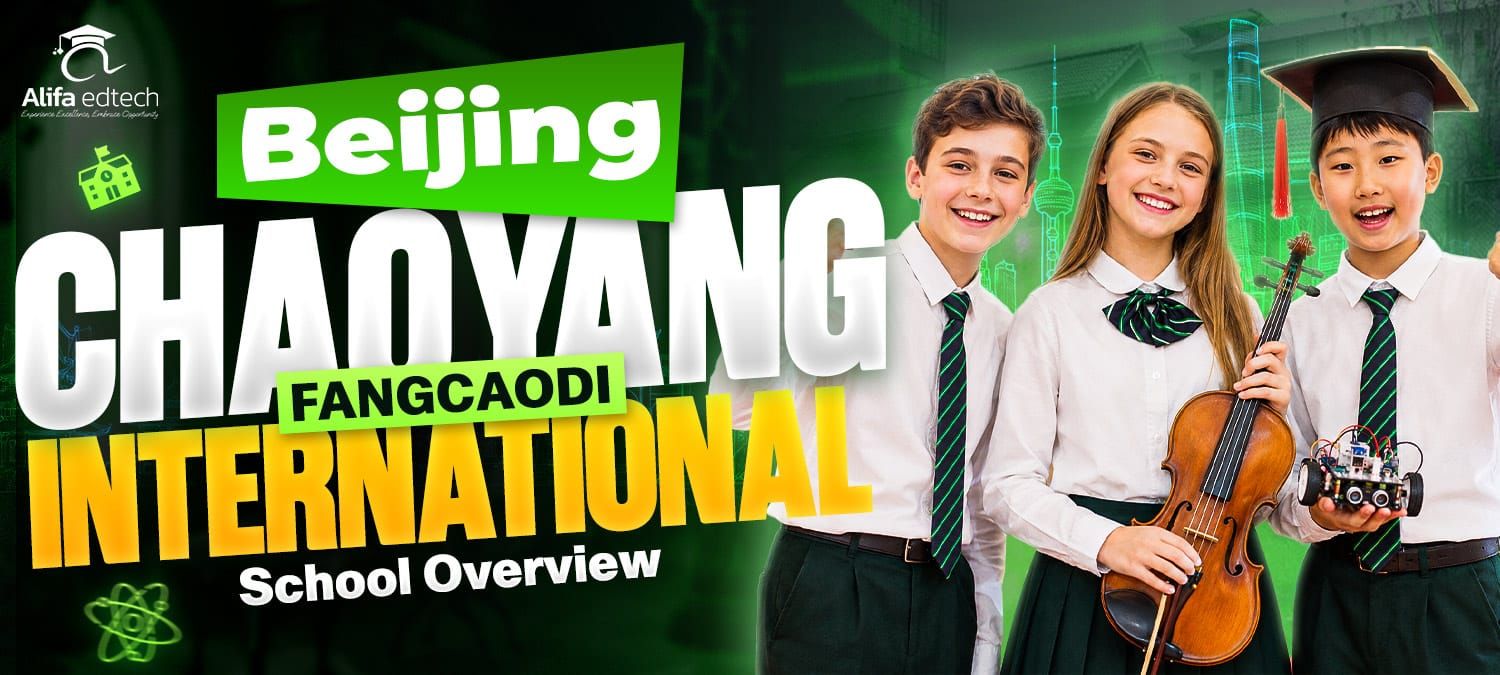
Beijing Chaoyang Fangcaodi International School is China's first public international school. It has shaped global learners since 1956. The school has taught students from over 150 countries. Right now, 62 nations have children in their classrooms. You won't find that in many public schools in Beijing.
Many parents worry that public schools cannot match the standards of private institutions. Beijing Chaoyang Fangcaodi International School proves that wrong. Yearly tuition is around RMB 72,000. That's about 30% of the cost of most private schools in Beijing. Despite the lower price, the school maintains high academic standards.
The school sits in Chaoyang District, Beijing's most global area. Embassies, clinics, and top international firms are all nearby. Students learn in both Chinese and English every day. They study Chinese culture, play sports, and join global exchange trips. Teachers speak both languages. Class sizes are small. The student-to-teacher ratio is 10:1.
Is this the right fit for your child? That depends on your goals — and this guide will help you decide.
In this article, you'll learn what Fangcao offers, who can apply, what the fees look like, how to apply step by step, and what support is available for your family.
Beijing Chaoyang Fangcaodi International School Overview
Fangcao started in 1956. China's Ministry of Foreign Affairs set up the school for their children. That history shaped the school's DNA.
In 1973, Premier Zhou Enlai gave a direct order. The school had to start taking in foreign students. That was a big shift for Chinese public education.
By 2008, the school had a new name: Beijing Chaoyang Fangcaodi International School. Both the Beijing Municipal and Chaoyang District Education Commissions backed this change. The school became China's first official public international school.
Today, the school operates across eight campuses in Beijing. Key sites include the Ritan Campus, Shuanghuayuan Campus, and Fuli Branch School. The Ritan Campus houses the International Section. This is the main site for foreign applications.
The Chinese Section and the Chinese Department operate as separate programs. Both follow the Chinese national curriculum (CNC) and serve local students.
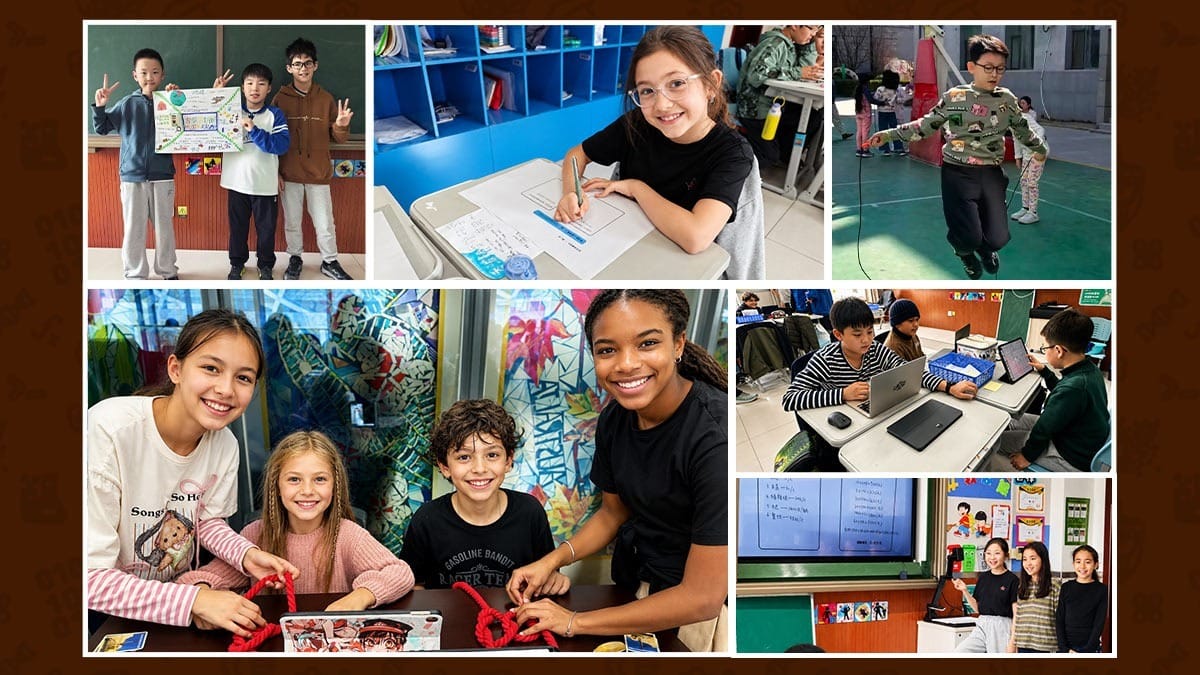
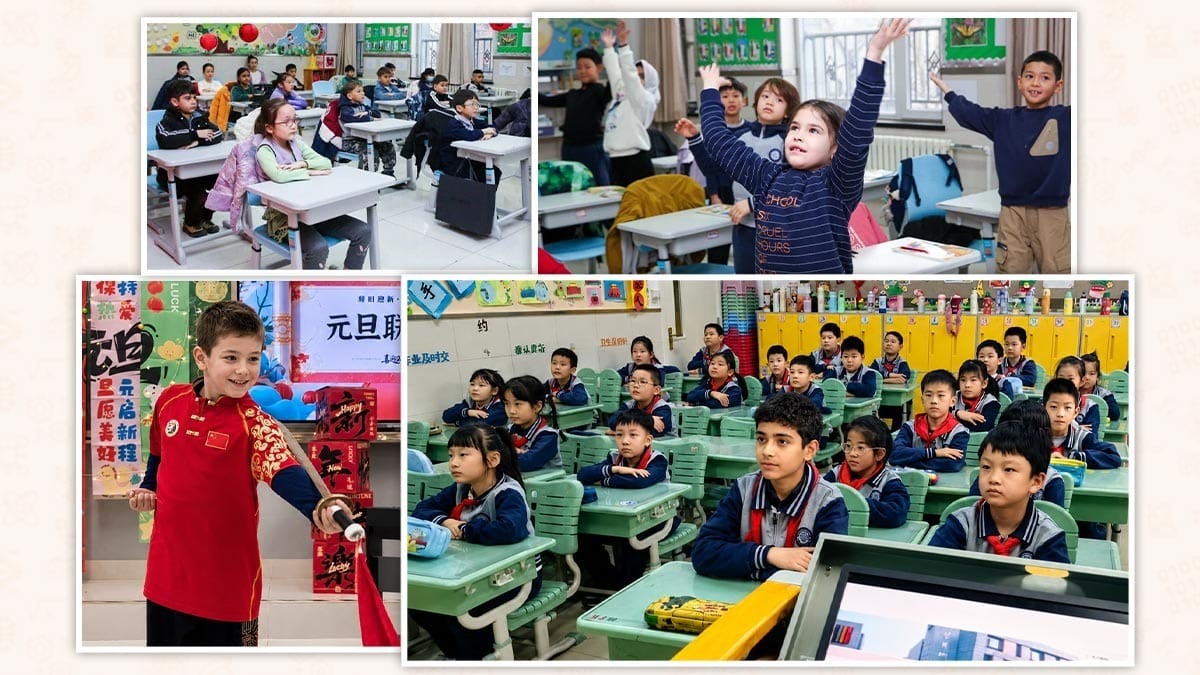
The school motto is "Respect, Culture, Understanding, Love." Students call it the "Little United Nations." Walk the halls and you'll hear ten languages before lunch.
Why Choose a Public International School in Chaoyang District?
Chaoyang District is the heart of international Beijing. Embassies fill the streets. Global firms have offices here. Ritan Campus is at No. 1 Ritan North Road — right in the middle of it all.
This matters for families. Many parents work close by. School runs are short. The area has international clinics, Western shops, and good transit links. Subway Lines 6 and 10 both stop nearby.
Public schools in China get state funding. That keeps fees low. Fangcao's budget comes 100% from government funds. No fees go to profit. That's very different from private schools.
Private schools are run as businesses. Their fees show that. Fangcao gives families a real option — strong teaching at a price that works.
The student-to-teacher ratio is 10:1. Most public schools in China run at 20 to 40 students per teacher. At Beijing Chaoyang Fangcaodi International, teachers have more time for each child. That matters a lot.
Beijing Chaoyang Fangcaodi International School: Bilingual Curriculum Approach
Beijing Chaoyang Fangcaodi International School teaches in both Chinese and English. The school integrates the two languages throughout the curriculum. Each subject has a primary teaching language. The choice depends on what works best for learning.
Here's how subjects break down:
- Chinese Language Arts — taught in Chinese
- Mathematics — taught in Chinese, with English terms
- English Language Arts — taught in English
- Science — taught in both languages, often English-led
- Arts, Music, PE — taught in both languages
The school doesn't have a formal IB accreditation. But it draws on IB ideas. Teachers use inquiry-based learning. They link subjects across themes. Students learn to ask questions and think for themselves. Families familiar with mainstream international curricula will find this familiar.
The school's goal is clear: Chinese roots, global outlook. The aim isn't to copy Western schools. It's to build strong Chinese learners who can also work in the world.
Students in the international classes learn Chinese culture too. They study Peking Opera. They take part in tea ceremony sessions. They learn Chinese idioms. These aren't add-ons. They're built into the school week.
What Sets Beijing Chaoyang Fangcaodi International School's Mandarin Program Apart
Fangcao is China's only youth Chinese language exam center for children (YCT exam center). No other school holds this role. That's a big deal if your child starts with zero Mandarin.
The school built its own textbook series: Fangcao Hanyu. These authors make these books for non-native learners. They're not for Chinese children learning to read. They're for foreign kids learning Mandarin from scratch. The pace, the words, and the cultural content all fit that goal.
In 2007, Hanban named Fangcao a Chinese Language Promotion Base School. Hanban is now part of China's Ministry of Education. Very few schools hold this status.
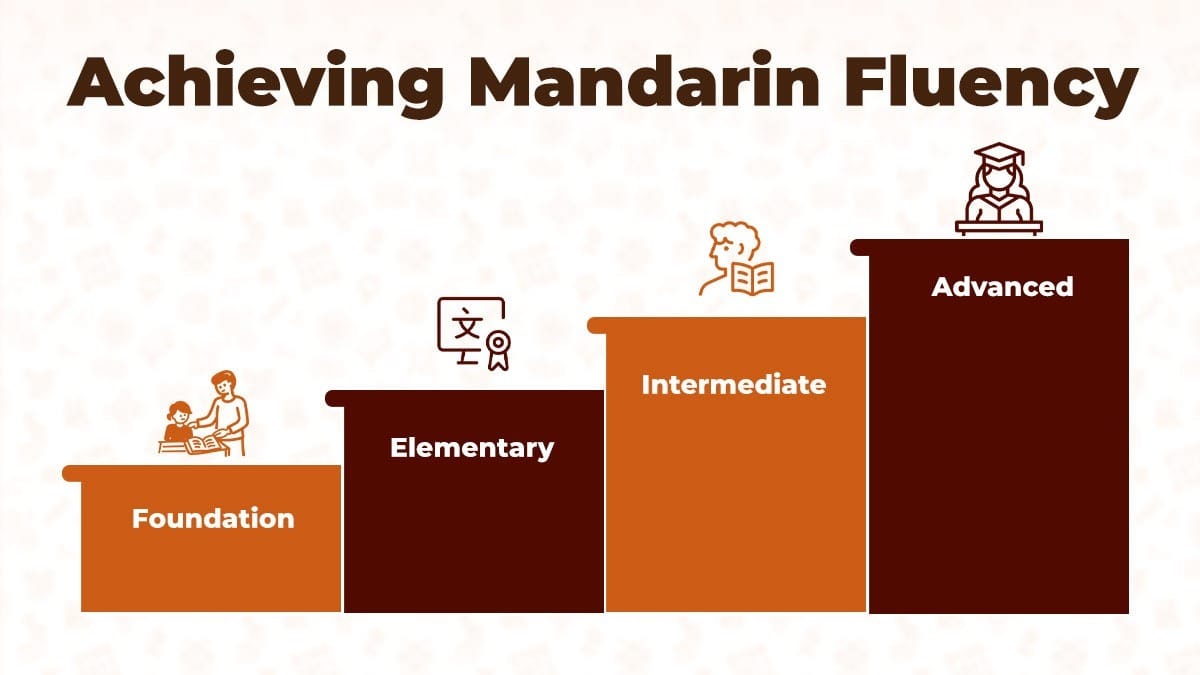
The Mandarin program has four levels. Placement depends on skill, not age.
- Foundation — zero Mandarin; focus on pinyin, basic words, and speaking
- Elementary — YCT Levels 1–2; 500 to 1,000 characters
- Intermediate — YCT 3–4 / HSK 3–4: academic Chinese starts here
- Advanced — HSK 5–6; full class use of Chinese
Students take the well-known Chinese Skill Test (HSK) or the Youth Chinese Test (YCT) at school. HSK results help with Chinese university entry applications.
Most children achieve basic skills in Mandarin in one to two years. Full academic fluency takes around three years. For a primary school program, that's a strong track record.
Campus Facilities and Daily Life
Fangcao is a day school. There are no dorms. The school day runs from 8:00 AM to 3:15 PM. After-school clubs go until 5:00 PM.
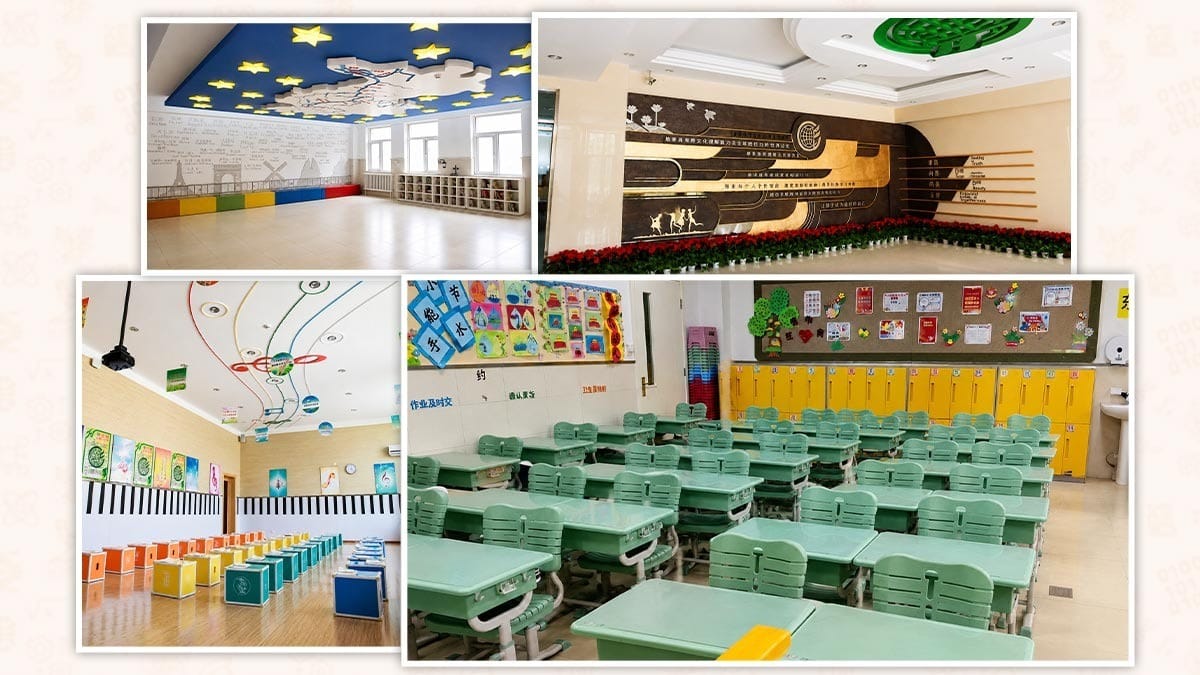
The Ritan Campus is well-equipped. Here's what's on site:
- Smartboard classrooms
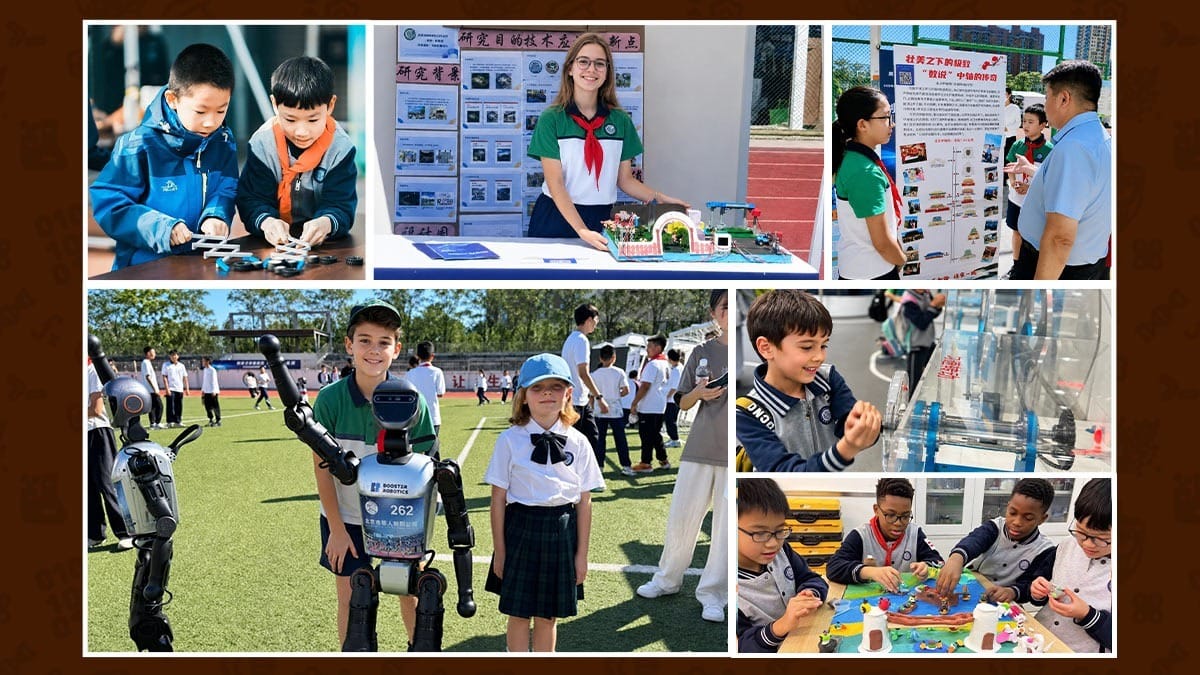
- Science labs
- Computer rooms with coding tools
- A library with Chinese and English books
- Music and art studios
- Outdoor sports fields with real turf and a running track
- An indoor gym
- A small cinema
- A golf room
The school runs "walking-style study trips." These are field visits to museums, historic sites, and parks in Beijing. They're tied to class topics — not days out.
Students take part in Chinese idioms classes and festival events. They also join cross-cultural projects with partner schools overseas. In 2025, the school won a Silver Award at the Beijing 28th Student Art Festival Dance Show.
How to Apply and Documents They Need
The International Section accepts foreign minors (non-Chinese passport holders). Your child needs a passport from a country outside mainland China. Students from Hong Kong, Macau, and Taiwan can also apply. They use regional ID documents but follow a similar process.
Students with a Chinese mainland household registration (hukou) cannot join the International Section. This rule has no exceptions.
If one parent is Chinese and the other is foreign, the child's passport decides eligibility. Call the admissions team if your case is complex.
Documents you'll need:
- Child valid foreign passports and Chinese visas or residence permits
- Parent passports and residence permits
- Beijing address proof (rental lease or property papers)
- Birth certificate — authenticated and translated if not in Chinese
- School records from the past two to three years
- Vaccination records
- Health check report
Getting documents approved can take two to four months. Start early—especially if you issued your documents outside China. Some countries need an apostille stamp. Others need Chinese consular approval. Check what your country requires.
Beijing Chaoyang Fangcaodi International School Private School
Fangcao International Section Annual Tuition:
- Base tuition: ~RMB 72,000 per school year
How it compares to private schools:
- Top private schools (ISB, Dulwich, Harrow, WAB): RMB 280,000–450,000/year
- Mid-range private schools: RMB 180,000–280,000/year
- Budget bilingual private schools: RMB 110,000–220,000/year
- Fangcao International Section: ~RMB 72,000/year
That's 70–84% less than top private schools.
Other costs to plan for each year:
- After-school care: RMB 10,000–30,000
- Transport (family-arranged): RMB 5,000–20,000
- Meals: RMB 5,000–10,000
- Uniforms: RMB 1,000–3,000
- Trips and outings: RMB 3,000–8,000
- Club and activity supplies: RMB 2,000–5,000
- HSK/YCT test fees: RMB 1,000–3,000
Full yearly cost estimate: RMB 99,000–154,000
Even at the top of that range, Fangcao costs far less than private school tuition fees. For families on professional or diplomatic salaries, this gap is meaningful.
Step-by-Step Admission Process
There's no online form.
Step 1 — You contact ALIFA Education Services for expert guidance first.
Step 2 — Check eligibility: Tell ALIFA Education Services your child's passport country, age, target grade, and when you plan to start.
Step 3 — Get your papers ready: Start document prep two to four months early. Authentication takes time.
Step 4 — Submit your application: Send in the form and all your documents.
Step 5 — Assessment: Some grades need a test or short interview. Young children do a simple activity-based check. Older students may sit a short written test in English and math.
Step 6 — Get your decision: If your child gets in, you pay a deposit to hold the spot. If the grade is full, you may join a waitlist.
Key timing tip: For a September start, reach out by January. The school may also take a January or February entry—ask when you call.
Extracurricular Activities and Support Available for International Families
The school offers a wide range of after-school options.
Arts and culture:
- Choir, school band, and Chinese music groups
- Calligraphy and ink painting classes
- Drama and school shows
- Dance (Golden Sail Art Troupe, Beijing's top student arts award)
Sport:
- Football, basketball, and track
- Martial arts (wushu)
- Weiqi (Go), Chinese chess, and stilt walking
Academic clubs:
- Maths and science clubs
- Coding and robotics
- Model United Nations
- Exchange trips with partner schools abroad
Family support:
- English-speaking staff at the front office
- Welcome program for new families
- Parent groups linking families from different countries
- A school coordinator for visas, transitions, and secondary school options
The school marks Chinese festivals and the national days of all students' home countries. Every child's background gets a moment. That's what makes the "Little United Nations" name stick.
Conclusion
Beijing Chaoyang Fangcaodi International School gives families something rare. Strong Chinese learning. A global classroom. A price that works for real families.
Tuition starts at RMB 72,000 a year. The school is China's only youth Chinese exam center. Students from 62 countries are enrolled right now. Children from Hong Kong, Macau, Taiwan, and other countries can all apply.
The school covers the key areas: bilingual teaching, Mandarin support, cultural learning, sport, arts, and a safe daily routine. The campus sits in Chaoyang District, close to embassies and global services.
Finding the right school in China is hard work. Visa rules, document stamps, grade placement — it adds up fast. Most families don't know where to start.
Alifa Education Services handles this for you. We helps families in Southeast Asia and India find and join the right school in China. The team knows the process well.
Book a free consultation with Alifa Education Services today. Let them match your child to the right school — and take the stress out of your move.


Member comments