

Introduction
Tennis has become more common in Chinese K-12 schools over the past decade. Families are increasingly looking for sports programs that support fitness, discipline, confidence and future opportunities. For some students, tennis can also strengthen applications for athletic scholarships and provide valuable experience through international competition. However, these outcomes depend on academic results, verified match performance and the quality of the training program.
Chinese K-12 schools usually offer tennis in three main ways. Public schools often introduce the sport through PE lessons, school clubs and after-school activities. Bilingual private schools may combine school-based coaching with external tennis academies. International schools may provide organised teams, seasonal competitions and wider support for student-athletes.
Some Top schools invest in trained coaches, better court access, fitness support and structured competition. Certain programs also use the Universal Tennis Rating system to track a player’s competitive level. UTR can help families and coaches understand progress, but it does not guarantee university admission, a scholarship or entry into a tournament.
How Do Tennis Programs Differ Between Chinese Schools?
Public schools usually focus on basic skills and participation. Bilingual schools may combine school activities with external coaching. International schools often provide organised teams, competition opportunities and wider athletic support. The quality of each program depends on coaching, court access, training time and academic coordination.
Key Takeaways
- Chinese schools offer different tennis models. Public schools often focus on basic skills, while bilingual and international schools may provide organised teams, external coaching and wider competition opportunities.
- Coaching quality matters more than promotional claims. Parents should check coach qualifications, weekly training time, group size and the level of personal feedback students receive.
- Facilities differ greatly between schools. Some campuses have dedicated courts and fitness areas, while others use shared facilities or outside tennis clubs.
- UTR can help track competitive progress. However, a high UTR does not automatically guarantee entry into an ITF event, a Junior Grand Slam, a university place or an athletic scholarship.
- Junior development usually happens in stages. Players normally move from basic coordination and stroke development to structured competition, university recruitment or advanced performance pathways.
- Tennis can support confidence and discipline. Regular practice, match experience and learning to handle pressure can help students build resilience, focus and self-belief.
- Competition results should be verified. Families should ask schools for recent tournament records, official results and clear examples of student progression.
- Extra costs may apply. Individual coaching, external academies, equipment, travel and tournament fees may not be included in normal school tuition.
Comparing Tennis Programs in Chinese Schools
Public, bilingual and international schools may all offer tennis, but their training style, facilities and competition opportunities can be very different.
| School Category | Main Purpose | Common Training Format | Possible Opportunities | What Parents Should Verify |
|---|---|---|---|---|
| Public Schools | Introduce students to tennis, fitness and basic skills. | PE lessons, school clubs and after-school sessions. | School matches, local competitions and community programs. | Coach qualifications, court access and weekly training time. |
| Bilingual Private Schools | Balance academic study with structured sports development. | School teams, level-based coaching and external tennis clubs. | Regional events, club competitions and student-profile development. | Training partner, extra fees, travel costs and academic scheduling. |
| International Schools | Provide organised athletics within an international curriculum. | Team training, individual coaching and seasonal competition. | School leagues, regional events and possible university recruitment. | Coaching level, competition schedule, UTR use and total costs. |
Parent note: Program quality varies by school. Families should confirm current coaching, facilities, fees and competition opportunities directly before applying.
Overview of Tennis Programs in Chinese K-12 Schools
Public-School Tennis Programs
Public schools usually introduce tennis through PE classes, school clubs and after-school activities. In cities such as Wuhan, Beijing and Shanghai, some schools include basic tennis lessons within their wider sports programs.
Students normally learn simple strokes, footwork, coordination and match rules. The main goal is to help them enjoy the sport, stay active and build confidence before moving into more competitive training.
The quality of each program can vary. Some schools have limited court time or use part-time coaches. Families considering Beijing No. 4 High School or Shanghai Gezhi High School should confirm the current coaching team, weekly training hours and competition opportunities directly with the school.
Even with limited facilities, good teaching and regular practice can help students make steady progress.
Junior Tennis Training and Student Development
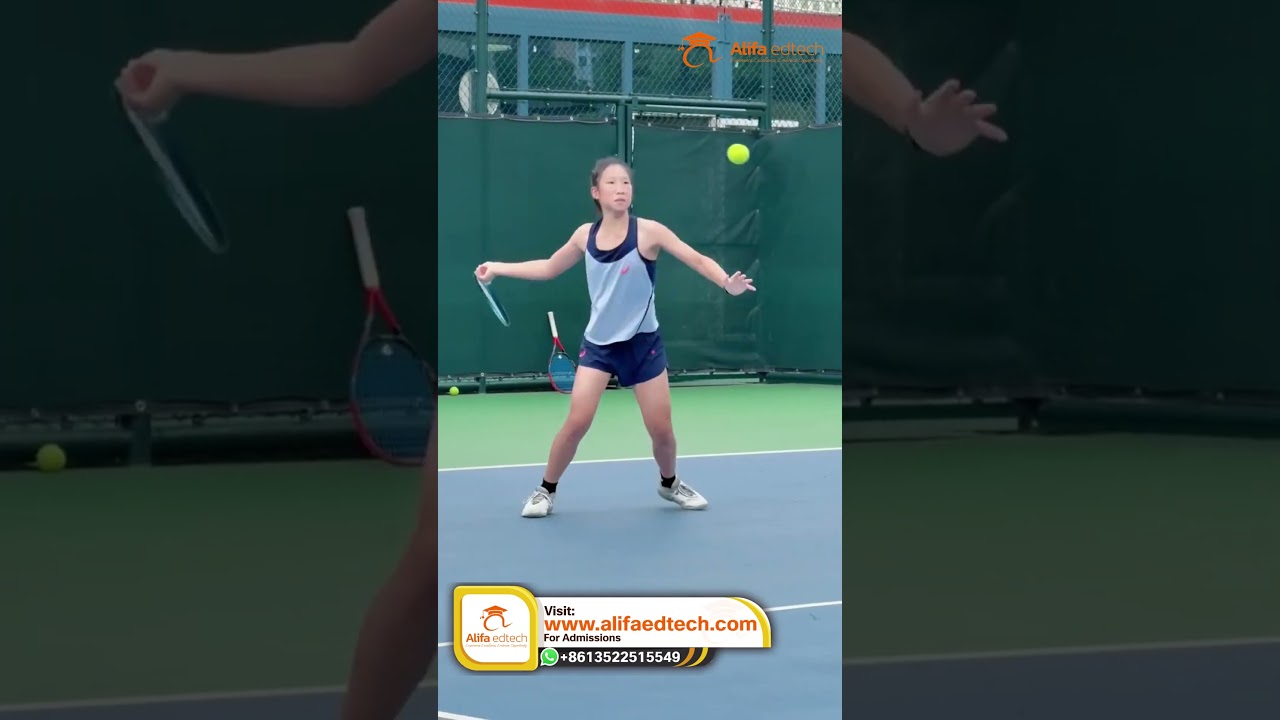
Watch this video to explore junior tennis training, student growth and development opportunities.
Bilingual-School Tennis Programs
Bilingual schools often include tennis within a wider extracurricular program. Schools such as YK Pao School may combine classroom study with school teams, sports clubs and external coaching.
This model can help students balance academic study with more structured tennis training. Lessons may cover technique, movement, match tactics and fitness. However, private coaching, equipment and competition travel may cost extra.
In cities such as Beijing, Shanghai, Guangzhou and Shenzhen, some schools work with outside tennis clubs or private academies. The quality of these partnerships can differ, so families should check who provides the coaching and where the training takes place.
Parents comparing bilingual schools should also ask how many hours students train each week and whether competitions affect the normal school timetable.
Tennis Programs and Student Development in China
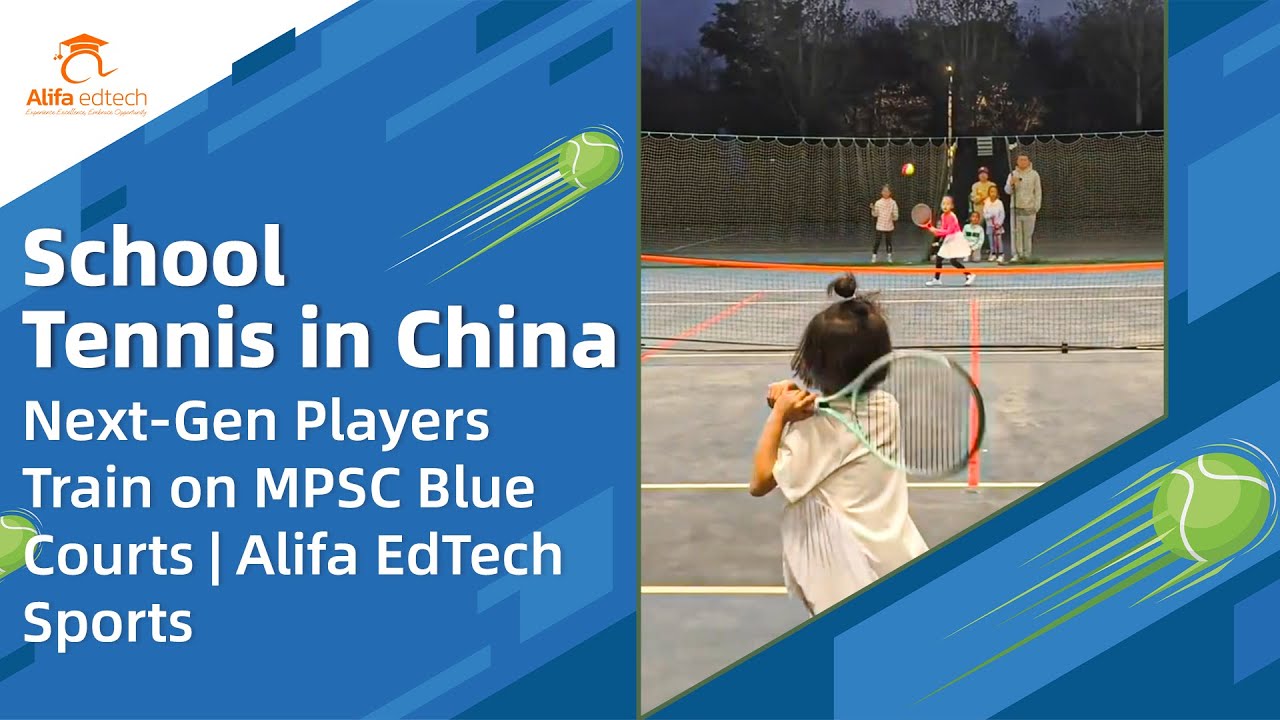
Watch this video to learn more about tennis training and student development opportunities in China.
International-School Tennis Programs
International schools may offer organised teams, seasonal competitions and wider support for student-athletes. Schools such as Shanghai American School and Wellington College Shanghai include sports within their broader co-curricular programs.
Facilities differ by campus. Some schools have their own tennis courts and fitness areas, while others use shared courts or outside venues. Parents should confirm court access, coaching qualifications, weekly training time and any extra fees.
Some international schools use video review, fitness testing or player-rating systems to help students understand their progress. These tools can support development, but they do not replace qualified coaching and real match experience.
Strong players may use verified competition results to support university applications or explore athletic scholarships. However, scholarships also depend on academic results, team needs and the rules of each university.
Top Schools with Exceptional Tennis Lessons
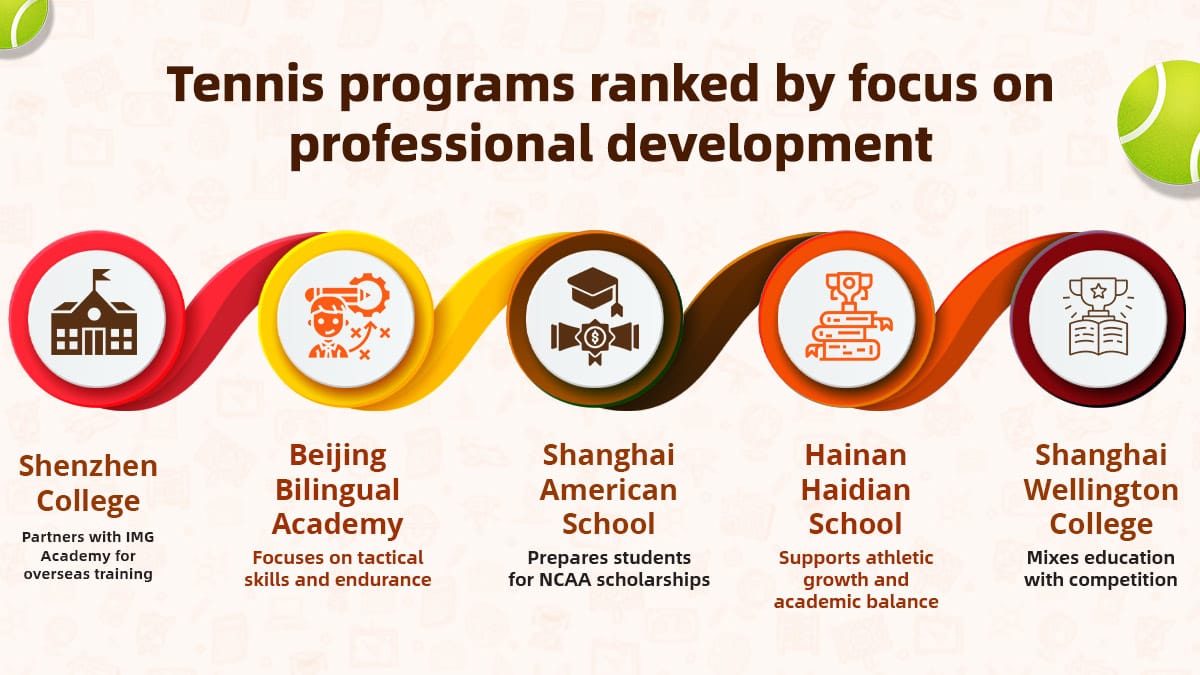
1. Shanghai American School (SAS)
Shanghai American School offers a broad athletics program with dedicated coaches, extensive fitness facilities and full-time athletic trainers. Tennis players can also take part in APAC competition with other international schools in the Asia-Pacific region.
Families should confirm the current tennis-team schedule, court availability, selection process and coaching arrangements directly with the school.
The official SAS athletics page supports international-school tennis competition, trainers, coaches and fitness facilities. It does not confirm the article’s exact court, UTR or scholarship figures.
2. Beijing International Bilingual Academy
Beijing International Bilingual Academy includes tennis within its high school varsity sports program. Students can take part in regular training and competitive activities while continuing their academic studies.
The school also offers a Special Talents Pathway for students with strong abilities in sports, arts or music. This pathway is designed to help students balance talent development with academic progress and university planning.
BIBA says varsity sports can help students build confidence, discipline, teamwork and time-management skills. Families should still confirm the current tennis coach, training venue, weekly schedule and competition opportunities directly with the school.
3. Shenzhen College of International Education
Shenzhen College of International Education lists a Tennis Club among its extracurricular activities. This gives students an opportunity to take part in tennis alongside their academic studies.
The public information reviewed does not describe SCIE as a professional tennis academy or confirm a formal IMG Academy partnership. Families should ask the school about the current coach, training frequency, facilities, competition opportunities and extra costs.
4. Wellington College International Shanghai
Wellington College International Shanghai lists tennis as one of its five core sports. Tennis teams may compete at local, regional and international levels as part of the school’s wider sports program.
The campus provides up to seven shared netball and tennis courts. Students may also join additional small-group training through the Wellington Extra program. The school offers Sports Fellowship and Scholarship opportunities, but families should confirm the latest eligibility rules and tennis-specific support directly with admissions.
5.Hainan Haidian Foreign Language Shiyan School
Hainan Haidian Foreign Language Shiyan School has a clear connection to junior tennis through its Hainan campus. Its red-clay tennis centre has hosted ITF junior events and Roland-Garros junior qualifying competitions.
Official 2026 tournament information lists four covered red-clay courts for the event. Families should confirm the current coaching team, weekly training schedule, fees, student eligibility and academic arrangements directly with the school.
China Tennis Junior Pro Track Pathways
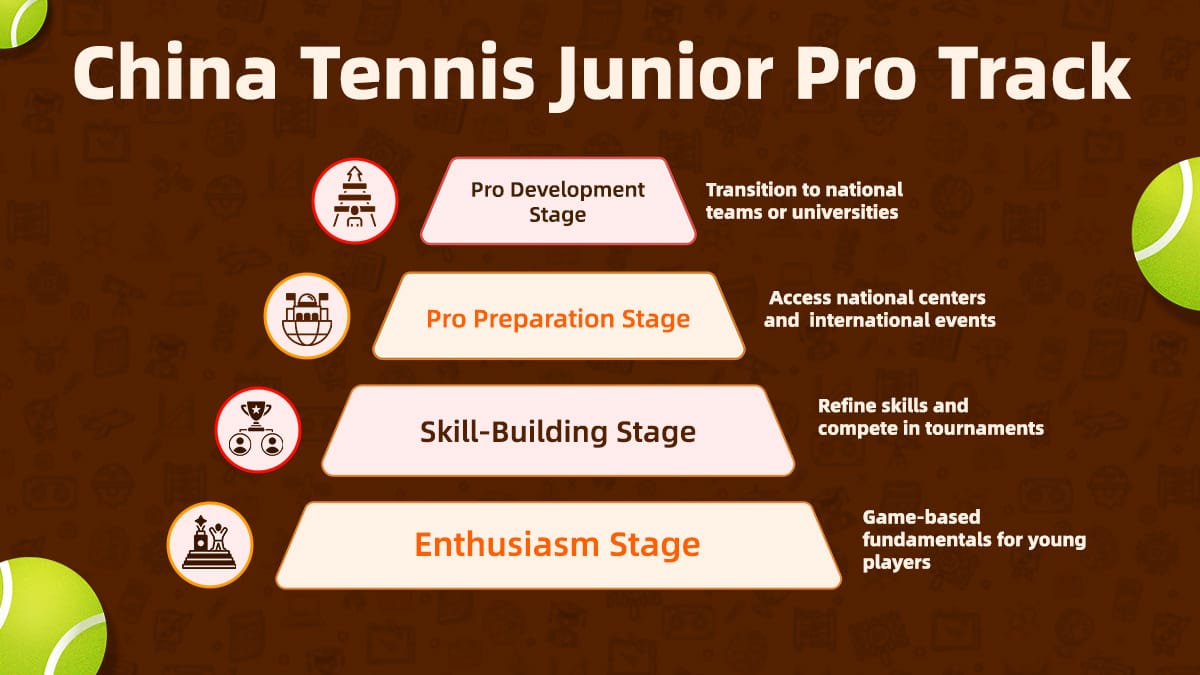
Tennis development does not follow the same timetable in every school or academy. The four stages below are a general guide for parents, and players may progress at different speeds.
Tennis Skills Training and Competitive Development
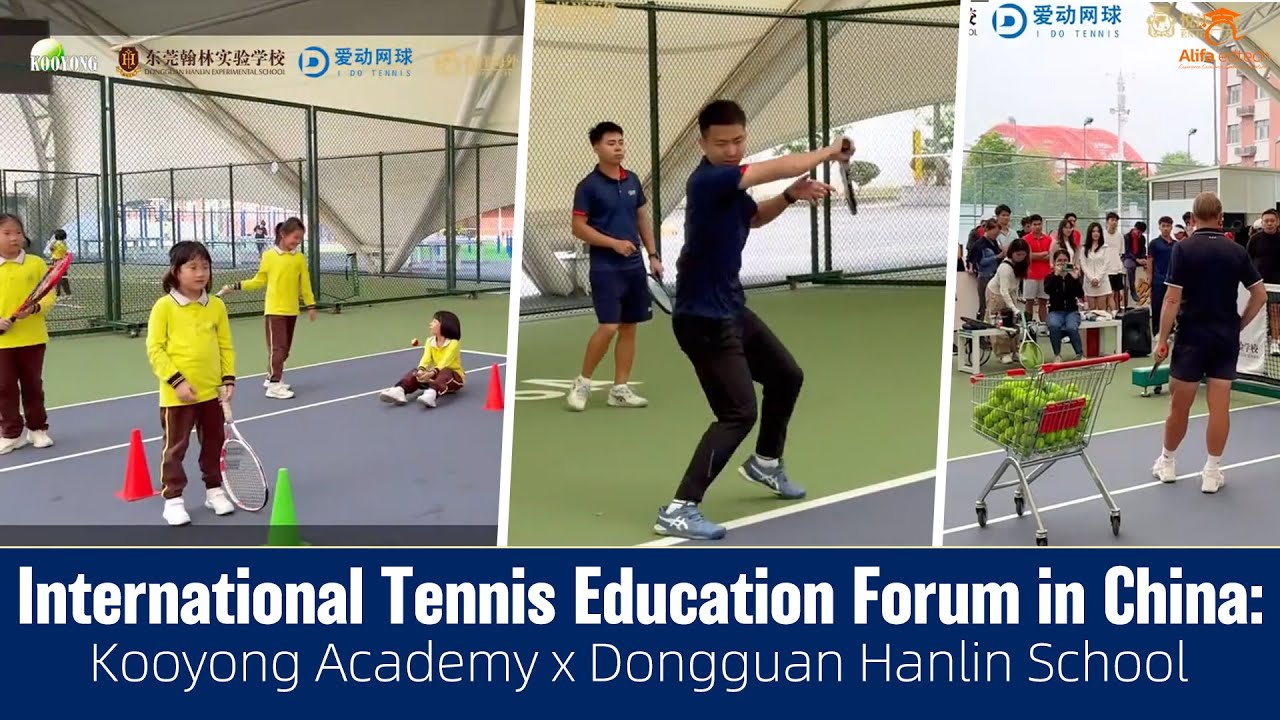
Watch this video to explore tennis skills training, match preparation and competitive student development.
Foundation Stage: Ages 6–10
Young players begin with fun, age-appropriate activities. Training focuses on movement, balance, coordination, basic strokes and simple rally skills. The main goal is to help children enjoy tennis and build confidence without too much pressure. Smaller courts and slower balls may be used to make learning easier.
Skill-Building Stage: Ages 11–14
Players move into more structured training. They improve technique, footwork, serve, return and basic match tactics. Some students also begin playing school, club or local competitions. Training time should remain suitable for the player’s age, level and school schedule.
Competitive Development Stage: Ages 15–18
Advanced players may train more often and enter regional, national or international junior competitions. They may also build verified match results, rankings or a UTR profile. Tournament entry depends on each event’s age, ranking and entry rules, not on one UTR score alone.
University or Performance Transition: Ages 18+
After secondary school, players may continue through university tennis, domestic teams, coaching or professional training.University and scholarship opportunities depend on academic results, verified competition performance, team needs and the rules of each institution.
Coaching, Facilities and Competition Opportunities
Tennis Facilities
Tennis facilities vary between schools. Some International schools have their own indoor or outdoor courts, fitness areas and video-review tools, while other schools use shared courts, community venues or external tennis clubs.
Facility access can depend on the student’s age, team level and school timetable. Some programs may also provide basic injury support or strength training, but these services are not available at every school.
Parents should ask how many courts are available, how often students can use them and whether training is affected by weather, team selection or shared bookings.
Training Methods
Good tennis programs combine technical skills, movement, fitness, match tactics and mental preparation.
Coaches may teach a stroke in small steps before adding footwork and point-based practice. Video review can also help students understand their movement and stroke patterns, but it should support qualified coaching rather than replace it.
Physical training should match the student’s age and level. It may include balance, speed, coordination, strength, recovery and injury prevention. Mental preparation can include breathing exercises, focus routines, goal-setting and practice under match pressure.
Some schools also offer tennis camps during holidays. These programs may provide extra court time, match practice and fitness training. Families should check the coaching qualifications, group size, daily schedule, safety arrangements and extra fees before enrolling.
Competition Opportunities
School tennis competition often begins with internal matches, mini-tennis events and local tournaments. As students improve, they may enter regional, national or international junior competitions.
Some schools use the Universal Tennis Rating (UTR) system to arrange balanced matches and track competitive progress. However, a UTR score does not automatically qualify a player for ATF, ITF or Junior Grand Slam events. Entry depends on the rules, rankings, deadlines and available places for each tournament.
Families should ask which competitions the school regularly attends, how players are selected and who pays for travel, accommodation, coaching and entry fees. They should also check how missed classes are managed during tournaments.
Challenges and Future Trends
Current Challenges
Tennis-program quality can vary between schools. Some schools have qualified full-time coaches and regular court access, while others use part-time staff or shared facilities.
Extra costs may also be unclear. Private coaching, equipment, tournament entry and travel may not be included in normal school tuition.
Competitive students must balance training with lessons, examinations and recovery. Without good academic and wellbeing support, heavy schedules may lead to stress or burnout.
Parents may also find it difficult to compare programs because schools do not always publish coaching details, player ratings or recent competition results.
Emerging Trends
- More schools use video review to improve tennis skills.
- Coaches and families are using UTR more often.
- Schools are focusing more on fitness and student wellbeing.
- Some schools work with external tennis academies.
- Online tools help students learn tactics off the court.
- Inclusive tennis is receiving more attention.
Frequently Asked Questions
What types of tennis programs are available in Chinese K-12 schools?
Schools may offer tennis through PE lessons, after-school clubs, organised teams, external academies or competitive training programs.
How do public, bilingual and international-school tennis programs differ?
Public schools often focus on basic skills. Bilingual schools may use external clubs, while international schools may offer organised teams, competitions and wider athletic support.
Can tennis help students build confidence?
Yes. Regular practice, match experience and learning to handle pressure can support confidence, discipline, resilience and focus.
Does a high UTR guarantee a scholarship or tournament entry?
No. UTR can show a player’s competitive level, but scholarships and tournament entry also depend on academics, results, rankings, team needs and event rules.
What should parents check before choosing a tennis program?
Check coach qualifications, court access, weekly training time, competition level, group size, academic support and total costs.
Are tennis lessons and competition costs included in school tuition?
Not always. Private coaching, external academies, rackets, travel, accommodation and tournament fees may be charged separately.
Can tennis support university applications?
Yes. Long-term training and verified competition results can strengthen a student profile, but they do not replace academic requirements.
Alifa Education Services
Looking for the Right Tennis Program in China?
Alifa Education Services helps families compare public, bilingual and international schools with tennis opportunities in China. Share your child’s age, passport, tennis level, target city and academic goals. We will explain which options may fit and what your family should confirm before applying.
Disclosure: Alifa Education Services is an independent education placement consultancy. We may receive a referral fee from partner schools when a family enrols, at no additional cost to the family. Our recommendations are based on student needs and school suitability.
Related Articles
 Emmanuel Usang
 Emmanuel Usang
 Emmanuel Usang


Member comments