

What Makes China’s IB Schools Different in 2026
Top IB School Ranking Lists in China for Y2026 are not as simple as they look. You’ll find dozens of lists online. Some are from UK-based ranking agencies. Some come from Chinese education platforms. Each one uses different rules. Each one covers different schools. And none of them is official.
The International Baccalaureate Organization (IBO) has never released a global ranking. What you see shared online are third-party lists. They pull from exam scores submitted by students who chose to share them. They often exclude top schools that choose not to share data. So the lists you find may be missing some of the best campuses in China.
That gap matters — especially for international and expat families relocating to China, including those moving from Southeast Asia, India, and beyond. You’re making a big decision. You need accurate data, not a popularity contest.
Here’s what’s true right now: China has some of the highest IB scores in the world. A small group of elite schools are putting up results that compete with the best in Singapore and the UK. But not every school on a ranking list is what it seems. Score averages can hide a lot.
Why IB Rankings in China Are Challenging
China has around 150 IB-authorized schools. But the global ranking lists you’ll find online cover only a fraction of them.
Why? Two big reasons.
Schools must submit their scores, and they need to have at least 20 candidates. Many strong schools — including Shanghai Pinghe School, YK Pao School, and Shanghai World Foreign Language Academy — have omitted certain lists altogether. “Not listed” does not mean “not strong.”
Second, ranking agencies use different methods. Some rank by raw average score. Others use a weighted formula that includes faculty strength, facilities, and university placement. A school ranked 3rd on one list may not appear on another at all.
There’s also a score reporting issue. Some schools only report scores for diploma recipients. Others include all candidates. That changes the average — sometimes by several points.
You’ll also want to watch out for what one source calls the “average score trap.” Some schools transfer weaker students to A-Level or AP tracks before IB exams without drawing attention. Their average goes up. But that’s not the full picture.
Keep these limits in mind when you read any China IB ranking list.
China’s Top 10 on the 2025 Global IB List
The list that receives the most citations comes from education advisers and IB schools. It covers the May 2025 exam results. Only schools that submitted scores with 20 or more candidates are included.
Ten schools from mainland China made the global ranking. Here are the top 10 positions held by Chinese campuses:
Top IB Schools in China by 2025 IB Average — Global Top-10 Ranking (Education Advisers)
| Global Rank | School | City | 2025 IB Avg |
|---|---|---|---|
| 9th | Shanghai High School International Division | Shanghai | 41.1 |
| 12th | Guangdong Country Garden School | Foshan | 39.8 |
| 13th | Dulwich College Beijing | Beijing | 38.7 |
| — | Dulwich College Shanghai Pudong | Shanghai | 38.1 |
| — | Shekou International School | Shenzhen | 37.8 |
| — | Shanghai American School (Puxi) | Shanghai | 37.7 |
| — | Wellington College International Shanghai | Shanghai | 37.4 |
| — | Shanghai Singapore International School | Shanghai | 37.0 |
| — | Dulwich International High School Suzhou | Suzhou | 36.9 |
| — | Dipont Wuxi Binhu Bilingual School | Wuxi | 36.5 |
The global IB average sits at around 30.5. Every school on this list beats that by at least 6 points. That’s a strong signal about academic standards across China’s top tier.
What the Broader China IB List Shows
The 2026 Yulu Education Ranking covers a wider group. It includes private schools, public schools’ international division, and international schools for expats. In total, twenty-five Chinese IB schools appear on this expanded list.
Here’s a condensed view of the top schools:
Top IB Schools in China by 2025 IB Average — 2026 Yulu Education Ranking (Top 9)
| China Rank | School | City | 2025 IB Avg |
|---|---|---|---|
| 1 | Shanghai High School International Division | Shanghai | 41.1 |
| 2 | Fudan International School | Shanghai | 40.55 |
| 3 | Shanghai World Foreign Language Academy | Shanghai | 40.0 |
| 4 | Guangdong Country Garden School | Foshan | 39.5 |
| 5 | Shanghai Pinghe School | Shanghai | 39.0 |
| 6 | Dulwich College Beijing | Beijing | 38.56 |
| 7 | Shenzhen Senior High School | Shenzhen | 38.1 |
| 8 | YK Pao School | Shanghai | 38.0 |
| 9 | Changjun Bilingual School of Changsha City | Changsha | 38.0 |
This list shows that strong IB results are no longer limited to foreign national schools. Private schools and public school international divisions are now competing at the top.
Top IB Schools in China: School by School
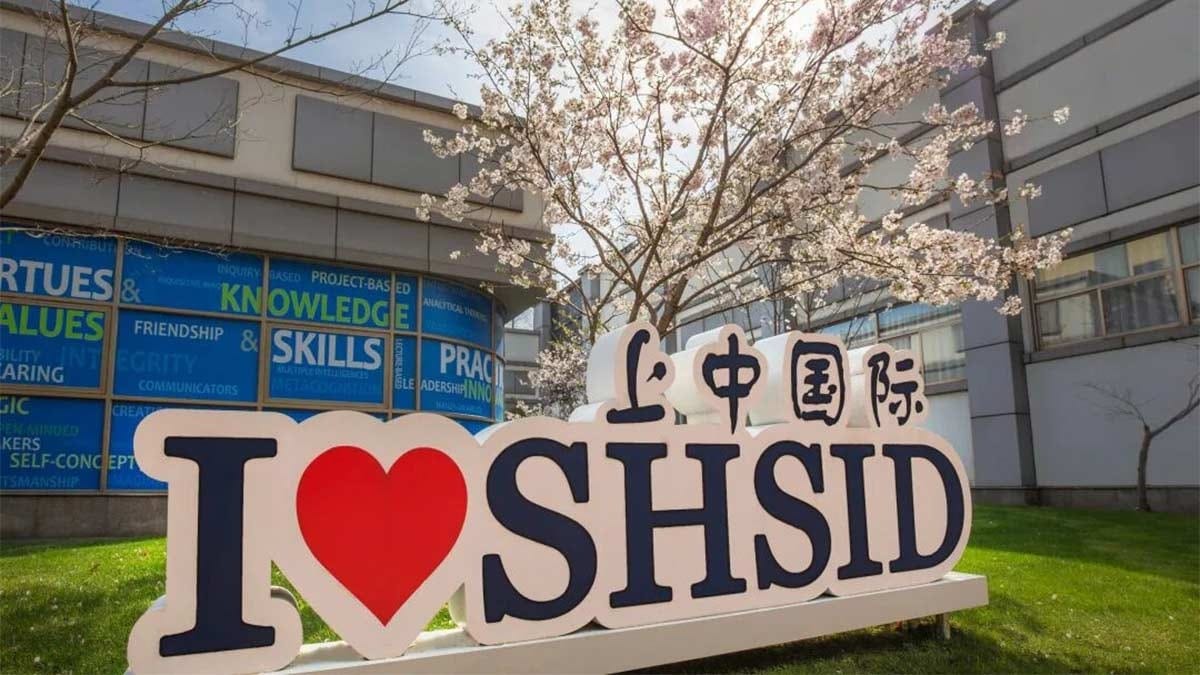
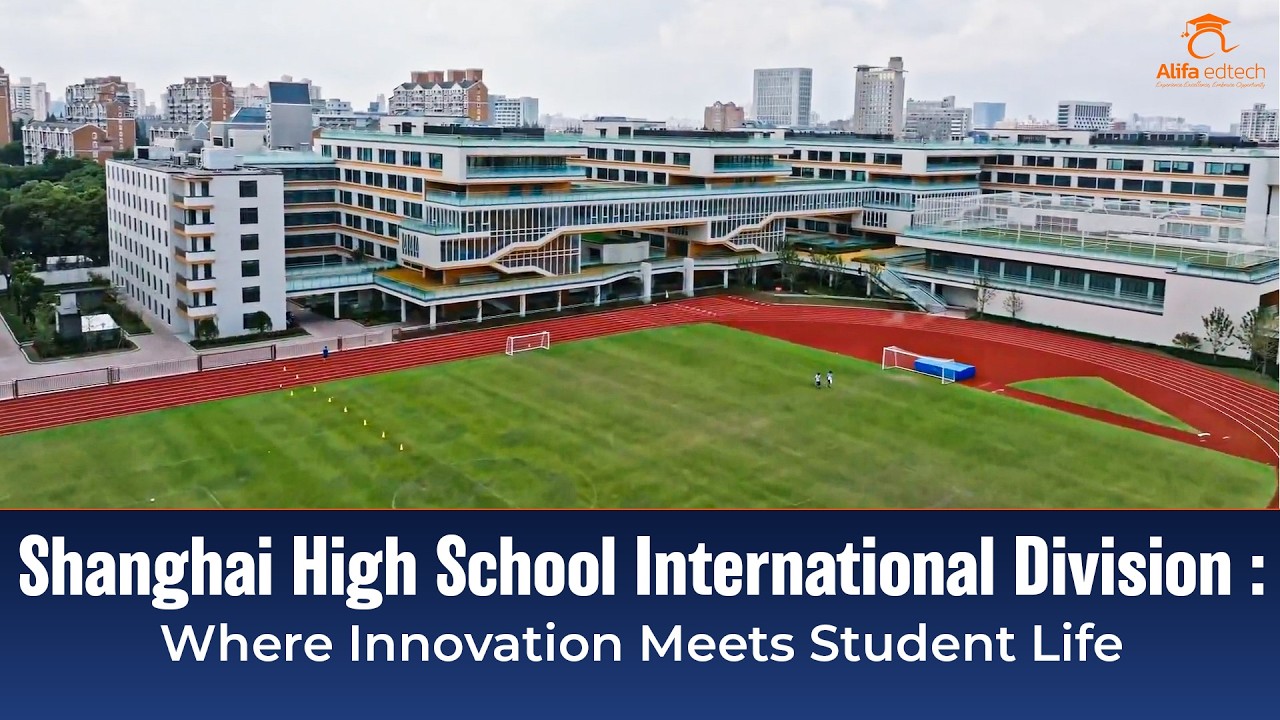
Shanghai High School International Division (SHSID) is the top-ranked IB school in mainland China. Its 2025 IBDP average of 41.1 puts it 9th in the world. The school has maintained an average score above 41 points for 15 straight years.
Key 2025 Results
- 100% diploma pass rate
- Over 80% of students scored above 40 points
- Two perfect scores of 45
- 77% bilingual diploma rate (global average: 27.3%)
University Placement
- 207 graduates placed globally
- 125 went to US universities
- 13 Oxbridge pre-admissions in 2023
- More than 90% of these students are enrolled in the top 40 US universities
- Annual tuitionRMB 150,000–200,000
- Total cost of attendanceRMB 250,000–350,000
SHSID is a public school’s international division. Enrollment is open to children of foreign nationals in Shanghai, including students from Hong Kong, Macao, and Taiwan. Contact Alifa Education Services to confirm eligibility and required documents.
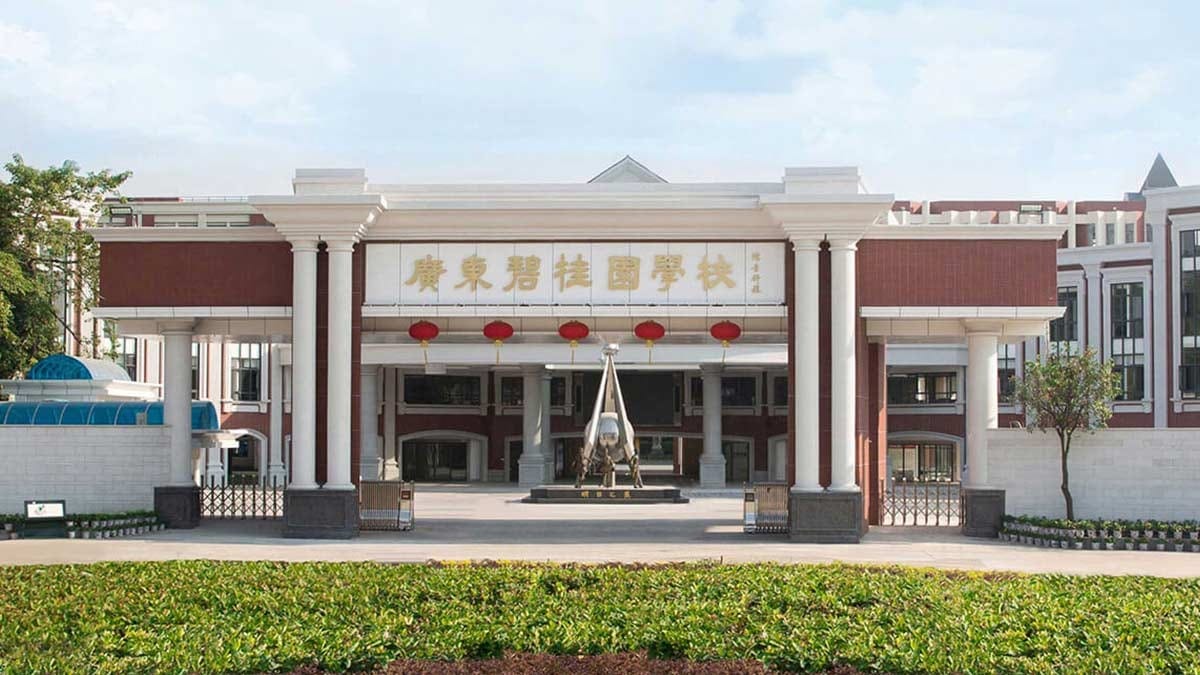
Guangdong Country Garden School is the top private school on the list. Located in Foshan, it ranked 12th globally in 2025 with an average IB DP score of 39.8.
Key Facts
- Full K–12 IB continuum (PYP, MYP, DP)
- 71 DP students in 2025
- 23 DP subject examiners on staff
- Full boarding program available
- Around 4,500 students across K–12
- CIS accreditation received in 2024
- Annual tuitionRMB 120,000–180,000
- Total cost of attendanceRMB 180,000–280,000
The school is about 30 minutes south of Guangzhou. For international families, the boarding option makes this campus very practical. Reach out to the school’s admissions office well in advance — demand is high.
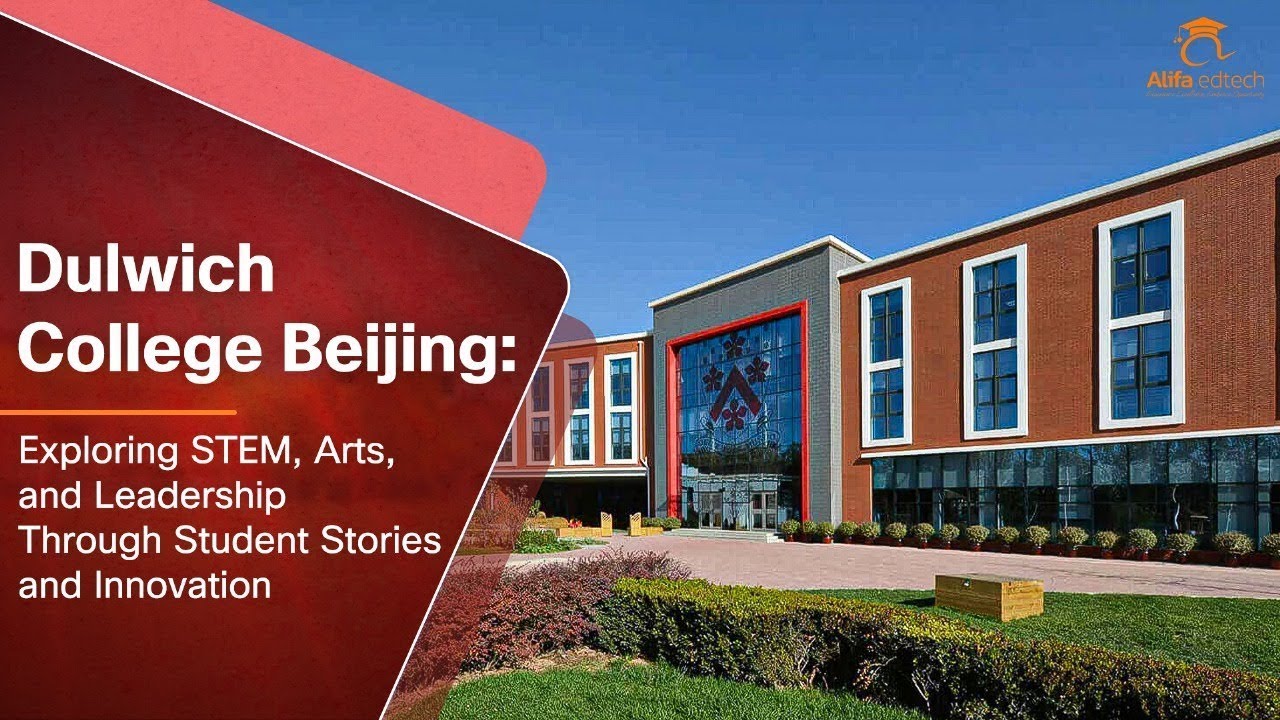
Dulwich College Beijing ranked 13th globally in 2025. The average IBDP score was 38.7, based on a cohort of 86 students. This score is one of the strongest results for a large group in China.
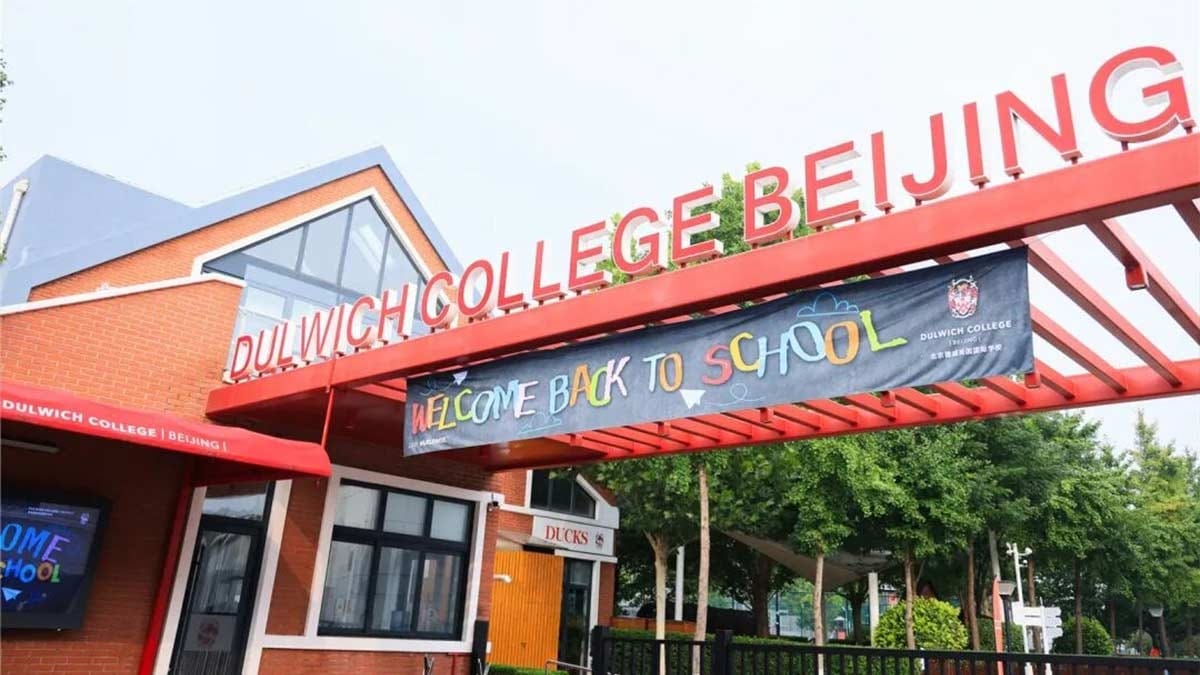
Key Facts
- 48% of students scored between 40 and 45
- One perfect score of 45
- 100% pass rate
- British heritage, house system, strong pastoral care
- Performing arts venues: 602-seat theatre, 300-seat theatre, two black box spaces
- Sports: FIFA two-star football pitch, Beijing’s only cricket pitch
- Annual tuitionRMB 200,000–260,000
- Total cost of attendanceRMB 300,000–400,000
DCB is a foreign national school. You’ll need a valid foreign passport for enrollment. Its British curriculum background and strong pastoral care make it a top choice for families coming from UK school systems.
Shanghai World Foreign Language Academy scored 40.1 in 2025. Between 2021 and 2025, its average score ranged from 39.0 to 41.6 — a very consistent band.
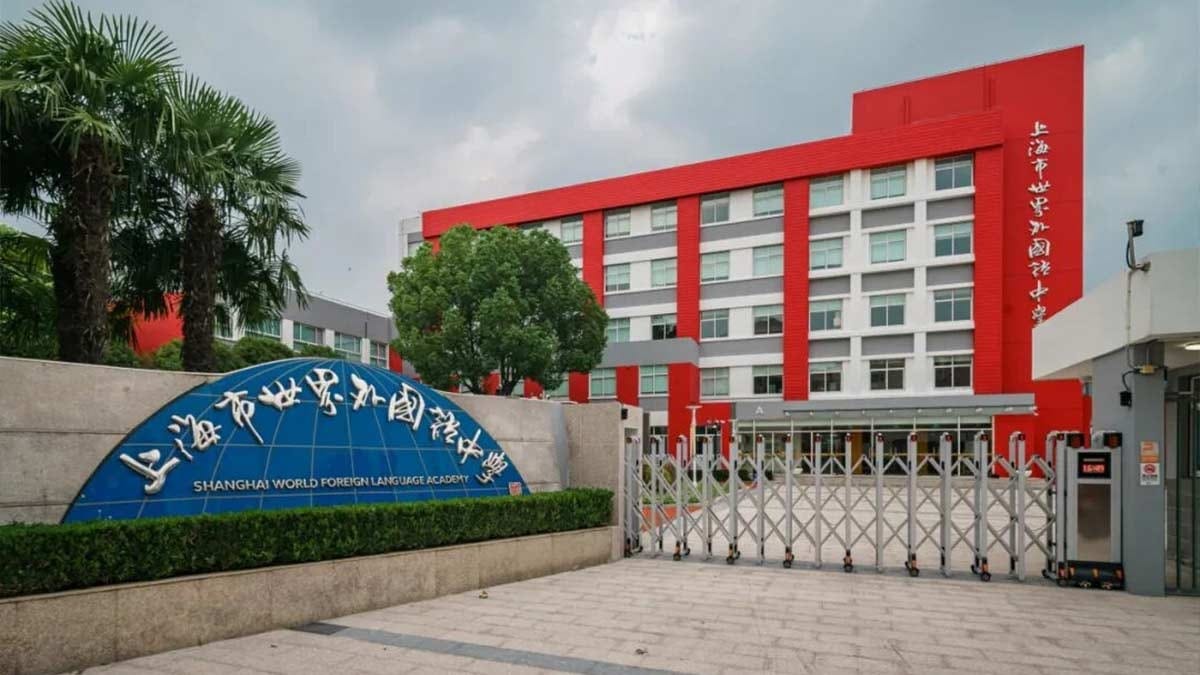
Key Facts
- 43 IB examiners in the DP department
- Over 75% of 2025 graduates received offers from US Top 30 or UK G5 universities
- 17 offers from Ivy League or Top 10 US universities
- 12 Oxford or Cambridge offers
- Dedicated US-Oriented Class available
- Annual tuitionRMB 150,000–200,000
- Total cost of attendanceRMB 250,000–350,000
If your family is aiming for US or UK universities, SWFLA’s track record is hard to ignore. English language proficiency is a key factor in the application process here, as with most top IB schools in China.
International School of Beijing (ISB) is the top-ranked school in Beijing according to rankings by Hurun and Forbes China. Its 2025 IB average was 35.4 — a solid result, though it falls below the top tier in raw scores.
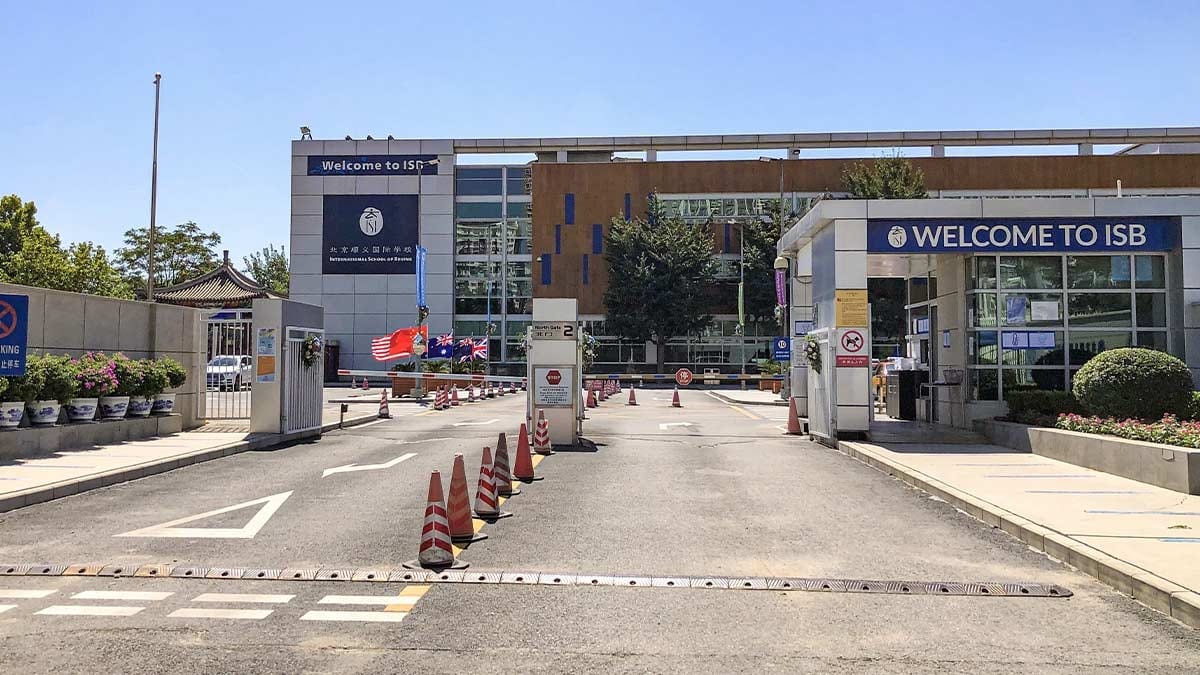
Key Facts
- 100% diploma pass rate
- 38% bilingual diploma rate in 2025 (up from 26% in 2024)
- 220 teachers, 75% with advanced degrees
- 32-acre Shunyi campus
- 12 science labs, 25m pool, and a 600-seat theatre
- 47 staff with 12+ years of service
- Annual tuitionRMB 200,000–260,000
- Total cost of attendanceRMB 300,000–400,000
ISB’s brand prestige and facilities are top-tier. Its average score places it in a different tier from SHSID or DCB — but its community, counseling support, and network are strong selling points for diplomatic and corporate families.
Harrow International Schools, China — AISL Campuses
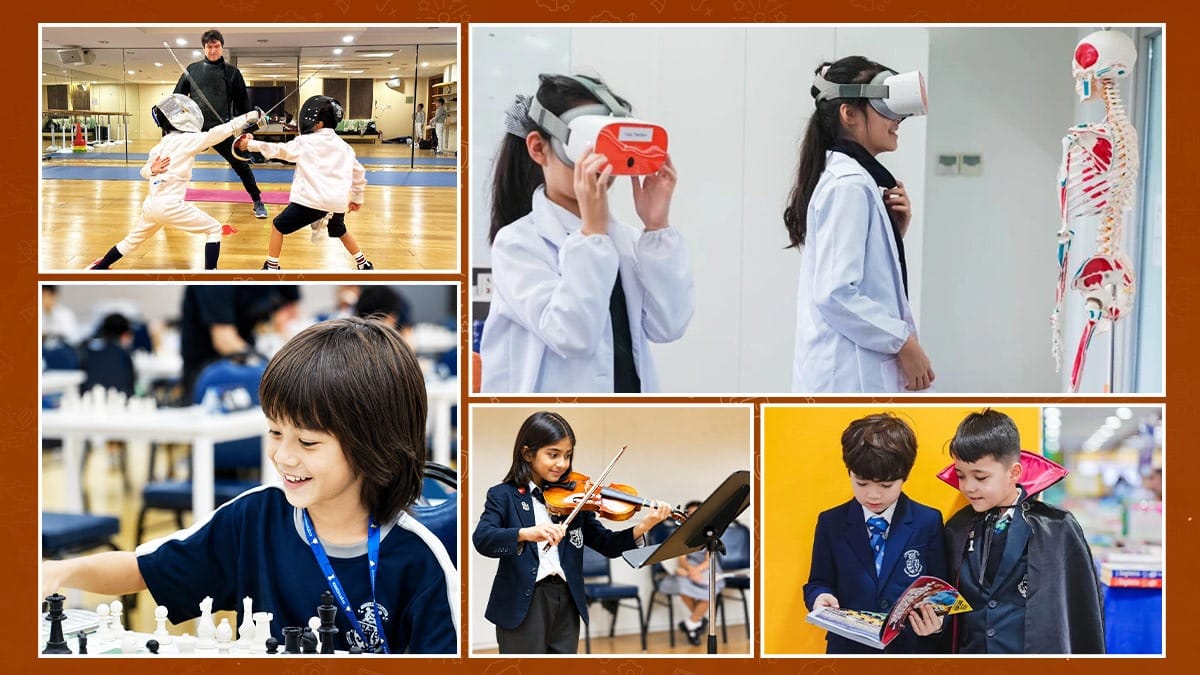
Harrow International Schools, China, is one of Britain’s most respected boarding schools. Founded in 1572, it has a long history of strong results and values-led education. Asia International School Limited (AISL) brings the Harrow name to China. AISL runs a growing network of campuses there. These are called Harrow International School campuses.
Current Harrow International School campuses in China include:
Beyond mainland China, AISL also runs Harrow Hong Kong. Harrow Hong Kong has over two decades of strong A-Level and IB Diploma results. Are you moving between Hong Kong and mainland China? The shared Harrow approach makes that shift much easier. Admission requirements are similar across sites. The Harrow Hong Kong Admissions Office can help families look at pathway options between campuses.
Harrow Beijing is the most well-known mainland campus. Every Harrow campus follows the Harrovian holistic journey. What does that mean? Students don’t just focus on exams. They grow through arts, sports, values, and service. That’s something no score ranking can show. STEAM programs are built into daily school life. Science, technology, and arts are woven in, not treated as add-ons. AISL Harrow Scholarships are open at several campuses. High-achieving students may get a partial or full fee reduction. Contact the Admissions Office to find out more.
AISL also runs Harrow LiDe Schools. These are for Chinese national families. Harrow LiDe Schools follow the Chinese national curriculum. But they keep the same values and character focus of the Harrovian holistic journey. For families who want a Harrow-inspired school without an international curriculum, Harrow LiDe Schools are worth a look.
Why don’t Harrow schools appear on the public IB rankings? Most Harrow International School campuses in China use A-Levels as their main senior program. Some also offer the IB Diploma. But they don’t always send IB scores to third-party ranking agencies. So they don’t show up on the public lists. That doesn’t mean they’re weak. UK university admissions teams know and respect these schools.
- Annual tuitionRMB 230,000–290,000
- Full boardingadditional RMB 100,000–150,000 / year
- AISL Harrow ScholarshipsAvailable — ask Admissions Office
Fees at Harrow Guangzhou and Harrow Shanghai may differ. Check each campus’s Admissions Office for the latest figures.
Do you want British education brands with a long track record? The Harrow International School network in China is worth a serious look. AISL keeps a clear standard across all campuses. But each location has its own feel.
How China’s IB Scene Has Changed Since 2021
Five years ago, foreign national schools occupied almost all the top IB spots in China. That’s changed.
Bilingual private schools and public schools’ international divisions now appear in the global top 15. Guangdong Country Garden School at 39.8 is the clearest example. Schools like Shanghai Pinghe School, Shanghai World Foreign Language Academy, and Fudan International School are now scoring above many established foreign national schools.
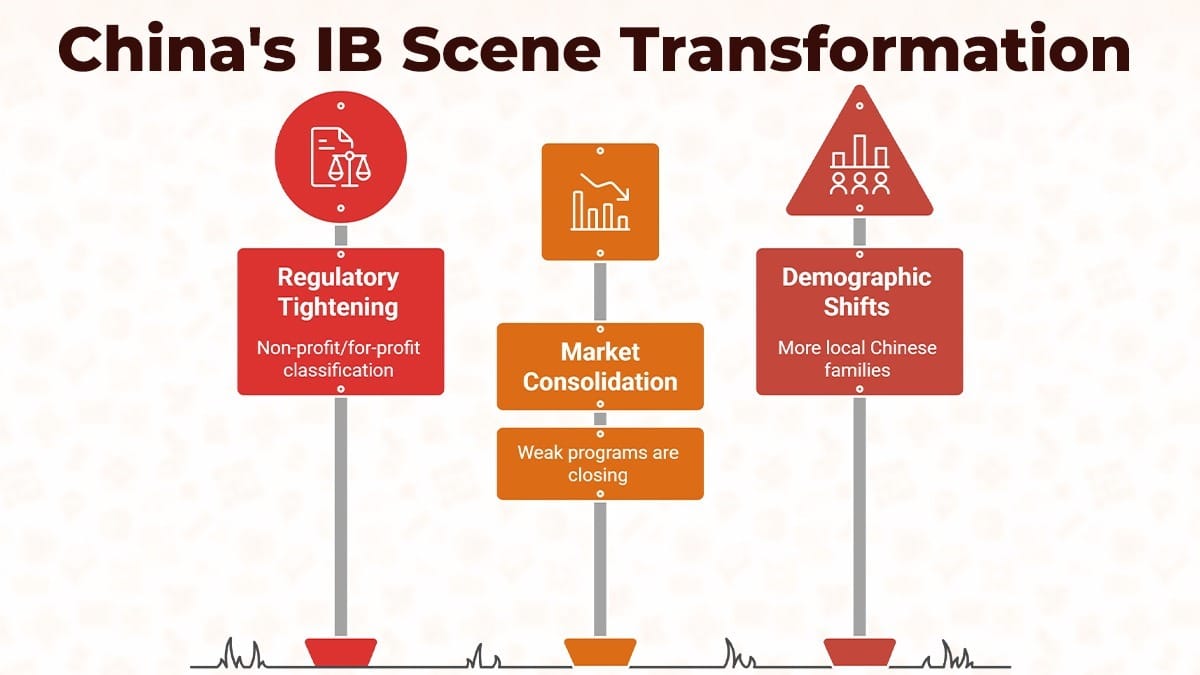
Three forces drove this shift:
Regulatory Tightening
The 2021 Private Education Law changed the classification of schools. Schools must now register as nonprofit or for-profit. National curriculum rules for PYP and MYP programs also tightened. Schools with strong Ministry of Education alignment adapted faster.
Market Consolidation
27 new schools opened in 2024. However, the net growth in school numbers was only two, following more than 50 closures over three years. This consolidation means weak programs are closing. Strong ones are getting stronger.
Student Demographic Shifts
Before 2020, most top IB schools were 60–80% Western students. By 2023, many of those same schools flipped to 40–60% local Chinese families. That changes the campus culture, the language environment, and how university counseling works.
For international families moving to China now, these shifts matter. The school that suited an expat family five years ago may feel very different today.
What the Rankings Don’t Tell You
Rankings measure one thing well: average exam scores. They don’t measure much else.
Here’s what you won’t find in any ranking:
Student Wellbeing
A 41-point average says nothing about homework hours, sleep patterns, or stress levels.
Language Support Quality
Some schools have strong ab initio Mandarin tracks for non-speakers. Others offer minimal support. This matters a lot if your child starts with zero Mandarin.
University Counseling Fit
Some schools are laser-focused on US placements. Others lean toward UK, Hong Kong, or Singapore. Make sure the school’s network structure matches your target destinations.
Enrollment Eligibility
Top IB schools in China usually require documents and a passport for admission. Here’s what mixed-nationality families should prepare:
- Foreign passport (valid)
- Birth certificate
- Parental employment verification
- Transcript of records from previous schooling
Hidden Costs
Headline tuition is rarely the full cost. Examination fees, activity charges, uniform costs, and boarding extras can add 30–50% to the base fee.
Rankings give you a starting point. They’re not a final answer.
How to Pick the Right IB School for Your Family
Start with these questions:
How long will you be in China?
Short-term families (2–3 years) should look for schools with strong mid-year entry support and clear transfer processes. Long-term families should invest in a school with a full K–12 continuum and strong Mandarin programs.
Where does your child want to attend university?
Match the school’s university counseling expertise to your child’s target destination. US-focused families should look at SHSID or SWFLA. UK-focused families should consider Dulwich College Beijing (DCB). Asia-Pacific families may prefer ISB or SSIS.
What’s your budget?
Total costs show significant variation. Budget for more than the tuition figure. International schools average around RMB 200,000–260,000 per year in tuition alone. Public school international divisions like SHSID are lower, ranging from RMB 150,000–200,000.
What language support does your child need?
If your child speaks no Mandarin, look for a school with a real ab initio track — not Mandarin as a subject. English language support also matters for students coming from non-English school systems.
What kind of environment fits your child?
High-achieving schools like SHSID run at high intensity. That’s great for some students. For others, a school like YCIS with a stronger holistic focus may be a better fit.
Campus visits matter. Ask to observe real classes, not showcase lessons. Talk to current students and parents. Ask the admissions office about mid-year entry, document requirements, and enrollment eligibility for your specific situation.
Is an IB School in China Right for Your Family?
China’s IB landscape has changed fast. A small group of elite schools now produce results that rival the best in the world. But the ranking lists you’ll find online only show part of the picture. Many strong schools don’t appear. Score averages can be misleading. And the right school for one family may be completely wrong for another.
The key factors to weigh are academic standards, university counseling strength, language support, enrollment eligibility, and total cost. Short-term and long-term families have different needs. So do families targeting US, UK, or Asia-Pacific universities.
Alifa Education Services helps international and expat families relocating to China — including those from Southeast Asia, India, and across the globe — find the right school. Our team knows the IB landscape across Shanghai, Beijing, Shenzhen, and the Greater Bay Area.
Ready to find the right IB school in China for your family? Book a free consultation with Alifa Education Services today. Let’s make this decision a clear one.
Book a Free Consultation →Frequently Asked Questions
What is the highest-scoring IB school in China?
Shanghai High School International Division (SHSID) is the highest-scoring IB school in China. Its 2025 IBDP average of 41.1 places it 9th in the world. The school has maintained an average above 41 points for 15 consecutive years, with a 100% diploma pass rate and over 80% of students scoring above 40 points.
Which IB school in China is best for US university admissions?
SHSID and Shanghai World Foreign Language Academy (SWFLA) have the strongest US university placement records. SHSID sent 125 of 207 graduates to US universities in 2025, with over 90% enrolling in Top 40 institutions. SWFLA recorded 17 Ivy League or Top 10 US university offers, and over 75% of graduates placed at US Top 30 or UK G5 universities.
Which IB school in China is best for UK university admissions?
Dulwich College Beijing is a strong choice for UK-bound students, with British heritage, a house system, and strong pastoral care. Shanghai World Foreign Language Academy recorded 12 Oxford or Cambridge offers in 2025, and SHSID secured 13 Oxbridge pre-admissions. Families targeting UK G5 universities should weigh each school’s Oxbridge record and UK counselling strength.
Are IB rankings in China official?
No. The International Baccalaureate Organization (IBO) has never released an official global ranking. The lists circulated online are produced by third-party agencies such as Education Advisers and Yulu Education. These rankings are based only on schools that voluntarily submit scores with 20 or more candidates, and many strong schools do not participate.
Do you need to speak Mandarin to attend an IB school in China?
Not necessarily. Many top IB schools in China offer ab initio (beginner) Mandarin tracks for students who arrive with little or no Chinese, while others provide only limited support. Families whose child speaks no Mandarin should confirm the school runs a genuine ab initio pathway rather than offering Mandarin as a single subject.
What documents do international students need to enroll in an IB school in China?
Most top IB schools in China require a valid foreign passport, a birth certificate, parental employment verification, and a transcript of records from previous schooling. Some schools are restricted to foreign nationals only. Mixed-nationality families should confirm eligibility directly with the school’s admissions office.
How much does an IB school in China cost?
Annual tuition at top IB schools in China ranges from RMB 120,000 to RMB 290,000 (approximately USD 16,500 to 40,000). Total cost of attendance, including examination fees, activities, and boarding, can run 30 to 50% above headline tuition. Public school international divisions such as SHSID are typically lower-cost than fully private international schools.
Why don’t Harrow schools appear on China IB rankings?
Most Harrow International School campuses in China use A-Levels as their primary senior program rather than the IB Diploma. Campuses that do offer IB do not always submit scores to third-party ranking agencies. Absence from these lists does not reflect academic weakness; UK university admissions teams widely recognize and respect Harrow’s A-Level results.
Related Articles
 Emmanuel Usang
 Emmanuel Usang
 Emmanuel Usang


Member comments