

Introduction
For many international parents, China’s high school system feels complex. Cultural differences often make the rules hard to grasp.
However, one exam stands out as a critical milestone. This is the Senior Secondary Academic Proficiency Test, often called the "Xuekao". It serves as a pivotal junction in a student's journey. It links daily learning at Chinese high-schools to future success.
This test is vital whether students plan to study abroad or remain in the local system. It proves they have mastered academic proficiency in China.
This article explores the senior secondary academic proficiency test. We aim to help international families understand its true value. By grasping its significance, you can better plan your child's academic path.
Finding the right school with a Chinese curriculum in China is hard.
Let Alifa Education Services help you. We connect you with over 800 top international schools and Chinese medium schools. Secure your child's future today. Contact us for a free consultation.
What is the Senior Secondary Academic Proficiency Test?
The Senior High School Graduation Academic Proficiency Test is a vital part of the Chinese education system. It is often called the Huikao or Xuekao. It serves as the national standard for high school graduation.
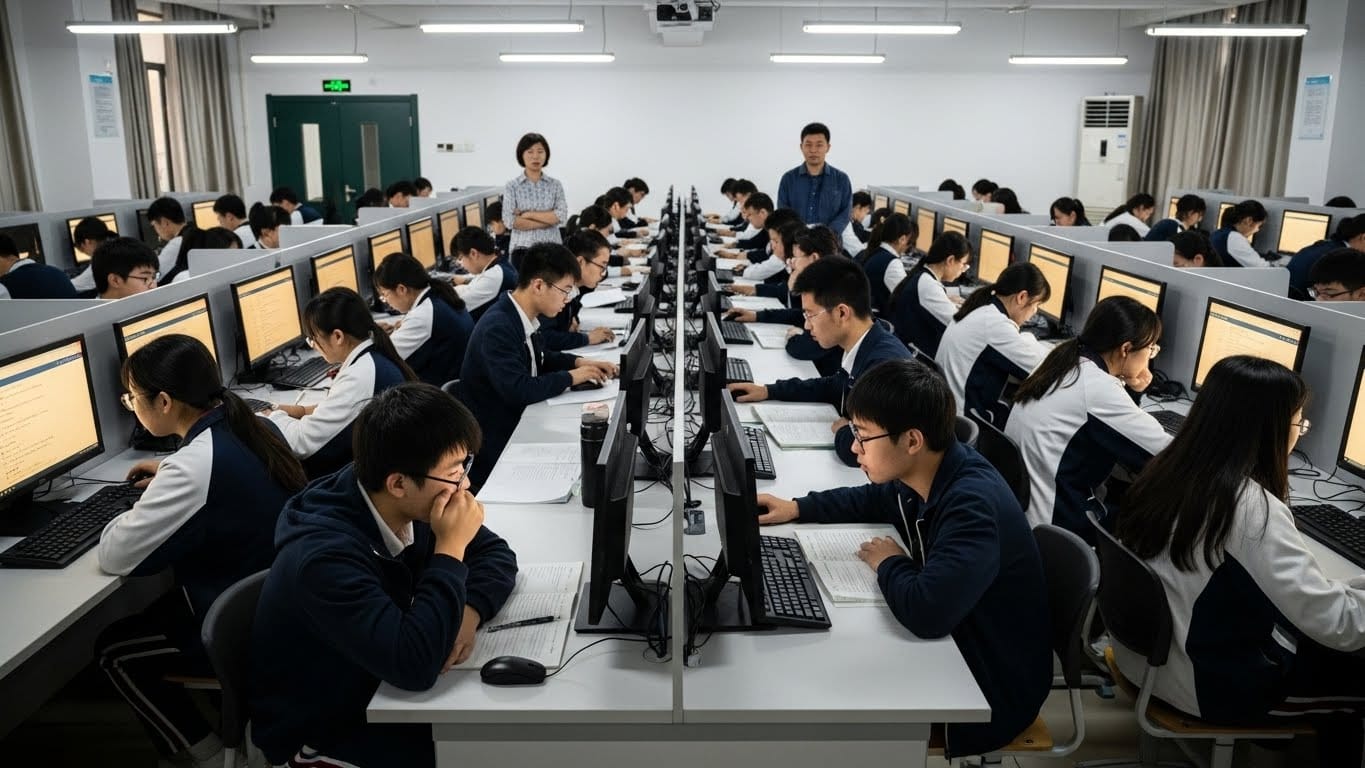
This exam is not the same as the college entrance exam (Gaokao). The Gaokao selects students for universities. The Proficiency Test makes sure students meet the basic goals of the Chinese national curriculum, in other words students have reached the Chinese academic proficiency level.
This examination system is mandatory for students in regular senior high schools. If a student passes all subjects, they get a "Senior Secondary School Graduation Certificate."
If they fail, they do not get the diploma. They only get a certificate of completion. A diploma is crucial. It is needed for most jobs and for entry into higher education.
What is the Significance of the Senior Secondary Academic Proficiency Test?
The test ensures quality. It makes sure schools in different cities teach to the same standard. It covers every subject taught in high school. This makes it a full review of a student's knowledge.
The results also affect university admission procedures. For students going abroad, the test is the official record of their high school work. Foreign universities often ask for credential evaluations of these results. A passing score proves the student can handle a tough workload.
Latest Information Regarding the Exam Format
The exam is comprehensive. It covers the full range of high school learning. It is designed to be fair and rigorous.
Subjects Tested
Students must take exams in many subjects. This ensures a balanced education.
- Core Subjects: Chinese, Mathematics, and foreign language.
- Sciences: Physics, Chemistry, and Biology.
- Humanities: History, Geography, and Politics (Ideology).
- Technology: Information Technology and General Technology.
In some places, a total of 13 subjects were tested in 3-years of High-school programs.
The Foreign Language Section
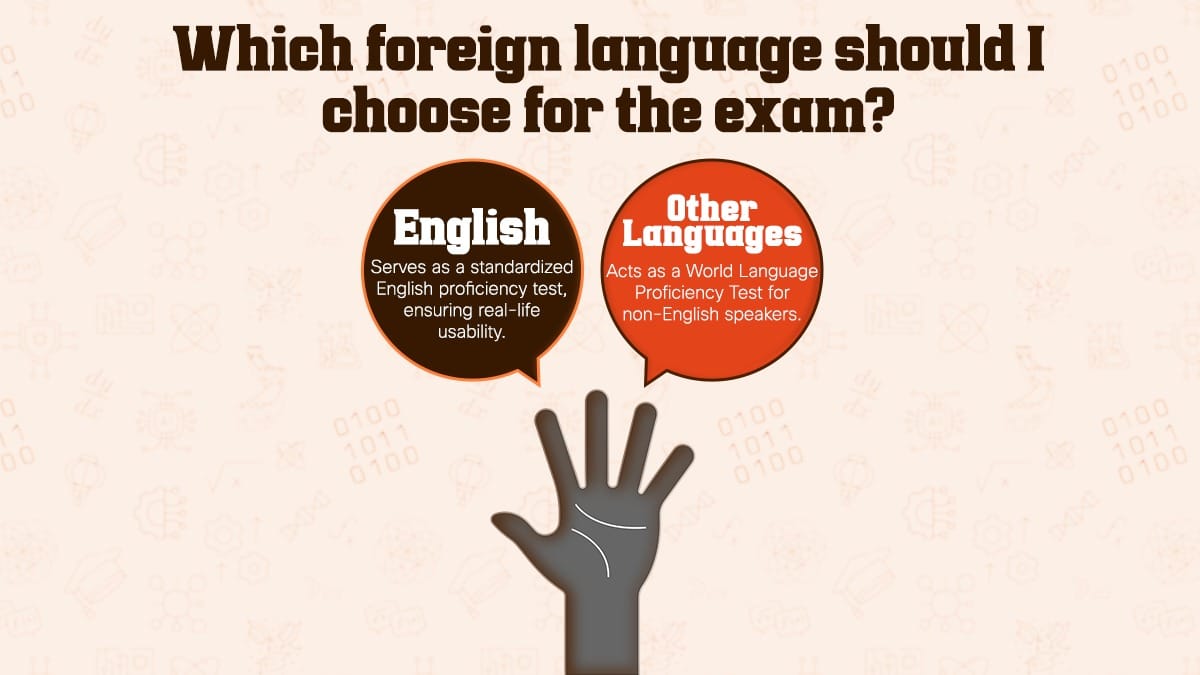
Most students choose English for the foreign language section. This serves as a standardized English Proficiency Examination. It tests three main skills:
- Listening: Students hear conversations and answer questions.
- Reading: They read texts and find the meaning.
- Writing: They write short essays or sentences.
This section measures English language proficiency. It ensures graduates can use English in real life. Students from non-English backgrounds can sometimes choose other languages. This acts as a World Language Proficiency Test for them.
Scoring and Time
The scoring uses grades, not just numbers.
- A (Excellent): The top 15% to 20% of students.
- B (Good): The next level of students.
- C (Pass): The minimum needed to graduate.
- D (Fail): The student must retake the test.
Exams are held twice a year. One is in winter (January). The other is in summer (June). Students can take subjects as soon as they finish the course. For example, they might take Geography in Grade 11. They take Chinese and Math in Grade 12.
Recent Updates
The system is now more flexible.
- Process Evaluation: Schools now look at daily work. Lab experiments in science now count towards the grade. Students must show they can use lab equipment and tools.
- Multiple Attempts: If a student fails, they have another chance. If they want a better grade for college, they can sometimes retake the test.
To learn more about the services offered by Alifa Education, please visit our dedicated page. Whether you are a guardian, affiliated with an international or bilingual school in China, or a study abroad education agency, Alifa Edtech offers services tailored to your unique needs. Please visit our page to learn more about our offerings.
Trend of Increasing Participation of International Students
There is a big change in Chinese schools. More International Students are taking this exam. In the past, international students often skipped it. Now, it is becoming a key part of their path.
Why International Students Take It
Passing this exam is a major achievement. It is a badge of honor.
- Local Universities: Many international students want to stay in China for high studies or college. Top schools like Tsinghua require the APT results for Chinese taught university courses. A Chinese high school diploma proves the student is ready. It shows they have the Chinese language proficiency needed for hard classes.
- Global Recognition: A Chinese diploma is respected gloabally. It shows the student is smart and tough. It proves they survived a hard education system.
Mandatory vs. Optional Rules
The rules depend on the city and the school.
- Mandatory: In cities like Beijing, Shandong and Fuzhou, rules are strict. If an International Student is in a public high school, they must take the exam. It is part of the enrollment system. They cannot get the diploma without it.
- Optional: In some provinces and cities, the APT is optional like Tianjin, Shanghai, and Guangxi, the foreign students can get the High School Diploma
Credential Value
When an international student passes, they get the "Graduation Certificate of Senior Middle School. This document is valuable when applying to colleges. This adds weight to the student's application.
Details About Where the Exam is Held
The exams are held in strict, secure locations. The government runs them.
Examination Venues
Students usually take the test at a public high school.
- Home School: If a student attends a large public school, they might take the test in their own building.
- Assigned Centers: Students from smaller schools or private schools travel to a test center. The local education bureau assigns the seat. Students do not choose.
Want to put your brand in front of families, students, and education-focused readers? We're inviting select partners to advertise with us on our trusted blog.
Want to get featured? submit a story for us to include.
Registration and Eligibility for International Students
Not every foreign student in China takes this test. It depends on their school status- it can be mandatory or optional based on location of the school(s).
Who is Eligible?
To take the exam, an International Student must have official student status (Xueji) in a Chinese high school.
- Diploma Track: Students enrolled in the regular education system aimed at a Chinese diploma must take it.
- International Divisions: Many public schools have international divisions. If these students want the local diploma, they are eligible and often required to take the test.
- Non-Eligible: Students in purely international schools (like schools for expat families) usually do not take this. They are outside the local enrollment system.
Prerequisites
Students must have finished the required coursework. For example, they cannot take the Physics test until they complete the Physics classes. Schools verify this before allowing registration.
Required Documentation and Visas
Paperwork is critical. The exam board is very strict about identity.
Strict visa rules can be stressful.
Alifa Education Services make the process easy for you. Our team handles your documents and interview prep. Get your student visa without worry. Reach out to Alifa Education Services now.
Identity Documents
The primary document is the passport.
- Consistency: The name on the registration must match the passport exactly. Even a small spelling error can cause issues. This is vital for future credential evaluations or admission procedures for university.
- Home Country Records: Sometimes, schools need transcripts from the student's home country to establish the initial student file.
Visa Requirements
Students must have a valid student visa (usually X1 or X2) and a Residence Permit. This proves they are legally studying in China. Without a valid visa, a student cannot maintain the official school status needed to register for the exam.
The Registration Process and Deadlines
The process is formal. Schools usually guide students through it.
How to Register
Registration is rarely done by the individual alone. It is a school-led effort.
- Data Collection: Teachers collect student data. This includes photos and ID numbers.
- Verification: Students must sign a form to confirm their info is correct. This avoids errors on the final certificate.
- Fees: There is usually a small fee for each subject test.
Timelines
The examination system runs on a strict schedule.
- Winter Exam: Registration often happens in September or October. The exam is in January.
- Summer Exam: Registration often happens in March or April. The exam is in June.
Missing a deadline is serious. If a student misses the sign-up window, they must wait six months for the next round. This can delay graduation. Therefore, students must pay close attention to school announcements.
Specific Requirements
International students must follow specific steps to sit for the test.
- ID Check: They must register with their passport. The name on the exam ticket must match the passport exactly. This is vital for future credential evaluations.
- Language Skills: The exam is mostly in Chinese. Math, Science, and History questions are in Chinese. Students need high-level Chinese skills.
- Preparation: Many schools offer an Intensive English Program to help with the English subject. But students must study hard in Chinese for the rest.
Security Measures
The exam environment is very strict.
- No Electronics: Phones and watches are banned. Signal jammers block cheating.
- Monitoring: Cameras record every room.
- Proctors: Teachers watch the students closely.
This security ensures the results are trusted. It proves the English proficiency and academic skills are genuine. By passing this test, international students show they are ready for the world.
Preparation and Resources: Tips for Success
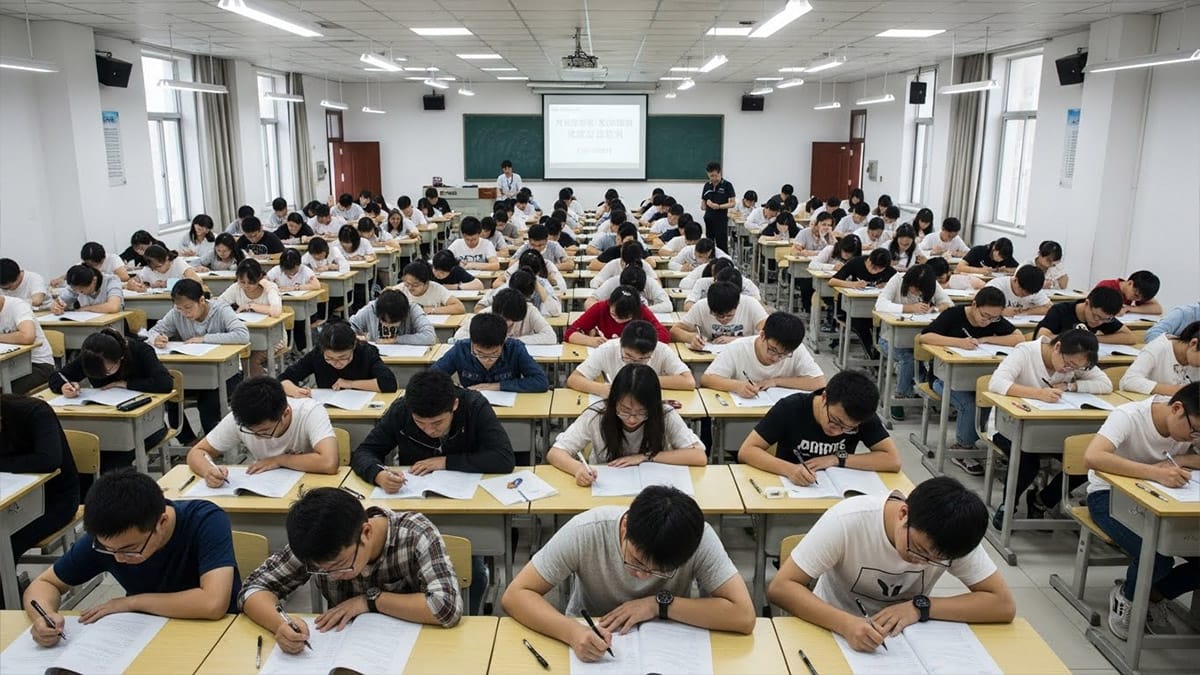
Success in this exam requires more than just attending class. Students need a strategic plan. This is especially true for international students who face a language barrier.
Using Review Materials
The best way to prepare is to use official resources.
- Sample Tests: The education authorities often release sample tests and past exam papers. Students should practice with these repeatedly. This helps them understand the question style and manage their time.
- Syllabus: There is an official exam syllabus (Dagang) for every subject. It lists exactly what will be tested. Students should focus their study on these specific points.
Language Support
International students must focus on the technical vocabulary in Chinese.
- Key Terms: Knowing the Chinese words for specific concepts (like "derivative" in Math or "photosynthesis" in Biology) is essential.
- Translation Practice: For the English section, students should practice English translation. The exam often requires translating sentences between Chinese and English. Understanding the nuance is key.
Intensive Programs
Many schools offer an Intensive English Program to ensure students get an "A" in the foreign language section.
However, students often need extra tutoring for the Chinese-medium subjects. Some schools provide special vocabulary classes for Math and Physics to help international students bridge the gap.
World Language Options
Some students might choose a language other than English. The system supports languages like Japanese, Russian, French, or German.
If a student is a native speaker of one of these, they can choose it as their Foreign Language subject. This acts as a World Language Proficiency Test for them. It is a smart strategy to guarantee a high score in at least one category.
Conclusion
For local students, this exam marks the end of high school. For international families, the Senior Secondary Academic Proficiency Test offers a unique view into China's education system. It offers more than just a diploma. It builds resilience, time management, and deep thinking skills.
Mastering this exam adds confidence to their journey. Parents should talk to schools early and watch for updates. Supporting children through this milestone ensures they finish their education strong and ready for the future.
Related Articles
 Emmanuel Usang
 John Wong
 Emmanuel Usang


Member comments