

Introduction
Finding the right tennis school in China is hard. You want real court time. You want good coaches. You want your child to train seriously. You also want them to leave with strong academic results. Many programs focus mainly on sport or mainly on schoolwork; fewer try to provide both.
Jingshan No.1 Middle School is located in Jingshan City, Hubei Province, one of China’s best-known tennis cities. As of late 2025, Jingshan had more than 356 tennis courts and over 100,000 regular tennis players.
The city has built a public tennis-education system covering children from early education through high school. Hubei Provincial Tennis School plays a major role in this system by combining academic classes with daily tennis training. Students study regular subjects while also following structured coaching and competition programs.
This article explains how Jingshan No.1 Middle School connects with the wider tennis system in Jingshan. It covers training pathways, published fees, courts, coaching, academic study, competition opportunities, and the main questions families should check before applying.
No program is right for every child. Families should confirm the current admission rules, total fees, boarding, teaching language, and tennis-training arrangements directly with the school before making a decision.
| Topic | Current Information | Status |
|---|---|---|
| Location | Jingshan, Hubei Province, China | Confirmed |
| Academic School | Jingshan No.1 Middle School | Confirmed |
| Tennis Institution | Hubei Provincial Tennis School | Confirmed |
| Teaching Language | Mainly Mandarin Chinese | Confirm Level |
| Tennis Facilities | Published information reports 45 courts at Hubei Provincial Tennis School | Reported |
| Training Pathways | Several development and competitive tennis pathways | Available |
| International Admission | Foreign-passport eligibility should be confirmed directly with the school | Confirm |
| Boarding | Families should confirm current accommodation arrangements | Confirm |
| Last Reviewed | July 2026 | Updated |
Important note:
Jingshan No.1 Middle School and Hubei Provincial Tennis School are connected, but they are not exactly the same institution. Jingshan No.1 supports students’ academic education, while Hubei Provincial Tennis School mainly manages professional tennis training, facilities and competition pathways. Families should confirm the current enrollment, training, boarding and admission arrangements directly with the schools.
Key Takeaways
- Jingshan No.1 Middle School is in China’s only tennis-characteristic city. This city has over 340 courts, 32 training bases, and 100,000 active players.
- The school offers five training program tiers. Prices start at 15,000 RMB. These include intensive Olympic Ladder classes, which provide daily court time. Students can train for up to 5 hours, focusing on both technical and tactical skills after school.
- In 2025, foreign coach Fabricio González joined the team. He was referred by José, the first coach of ATP world number one Carlos Alcaraz. Fabricio brings Spanish footwork and exercise science methods.
- From 2022 to 2025, the school earned 217 national gold medals and 310 provincial gold medals. Also, provincial competition results grew by 30% each year for all age groups.
- Since the program started, 73 tennis students have entered top universities in China. Academic teachers travel to competitions. Mobile classrooms are set up during ITF junior events.
- The school's 2024 undergraduate admission rate hit 89.3%. It rose to 97.3% for science Olympiad classes and 99% for liberal arts. This shows strong results in both academics and athletics.
- International families should know that the school doesn’t offer an IB, A-Level, or English-medium curriculum. All classes are taught in Mandarin Chinese. Students need to have at least HSK-level proficiency before enrolling.
What Makes This Tennis School in China Stand Out?
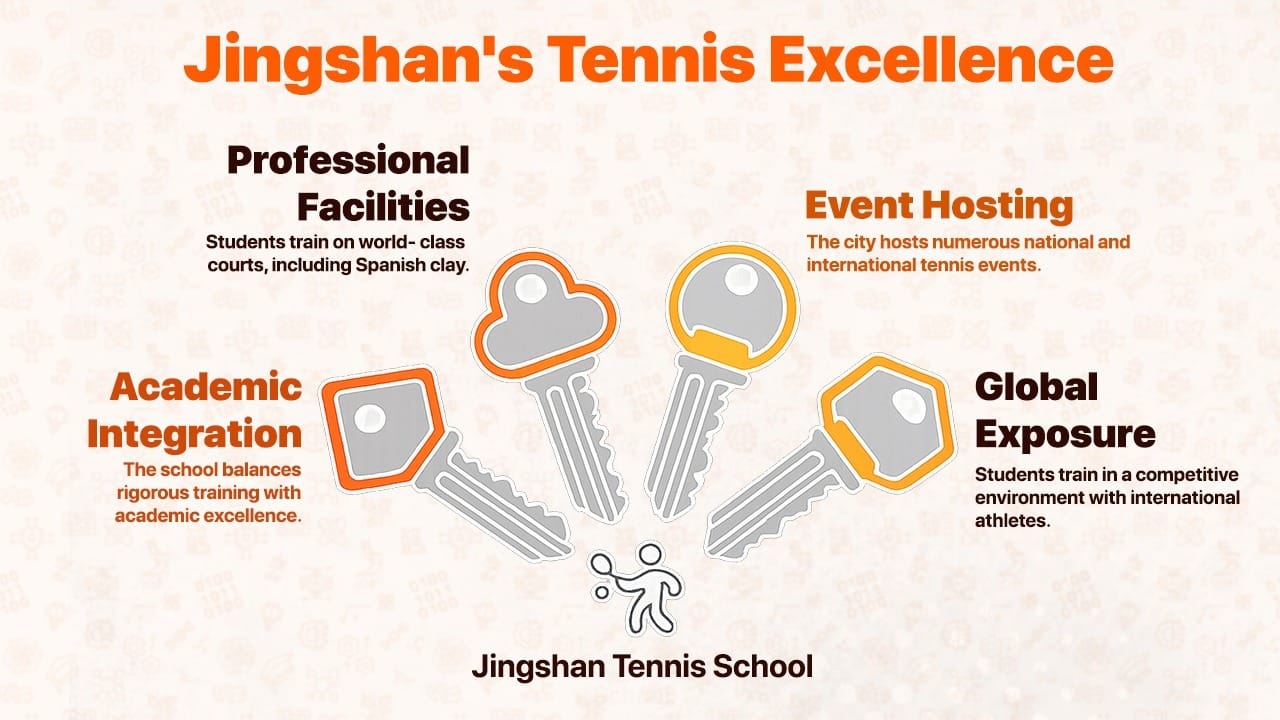
Most sports schools in China force a trade-off: train hard and fall behind in class. Jingshan No. 1 breaks that pattern.
The school partners with the Hubei Provincial Tennis School. The public sector runs this as the only professional tennis school in China. It uses a provincial-county model. The Hubei Provincial Sports Bureau set it up in 2018. The Jingshan city government co-runs it. Court sessions and academic lessons happen side by side.
The training environment is strong. Students access 45 professional courts. Nine are indoor. Thirty-six are outdoor courts. The surfaces include clay courts from Spain. They use the same surface in top European training. Clay court work builds movement and point construction skills. Hard courts do not develop those habits as well.
The city hosts over 40 tennis events per year. These include WTA 125 events and ATP 100 events, too, plus ITF junior events and China Junior Tennis Tours. In 2024, the city hosted 14 national events. Almost 2,000 athletes came from 25 countries. Your child trains in that world every day.
What Do the Tennis Programs Look Like?
The school runs five class types; each has a different training load and goal.
- Talent Class: After-school training only. Around 15,000 RMB per year. For students exploring tennis as a path.
- Elite Class: 3 hours of daily fitness training and court work; around 25,000 RMB per year. Targets sports university admission
- International Class:
- 4 hours of training each day
- Costs about 40,000 RMB a year
- Designed for students targeting overseas universities or international events
- Shijie Class: Intensive daily training; higher cost; targets provincial and national team spots
- Olympic Ladder Class
- 5 hours of daily technical and tactical work
- 1.5 hours of fitness training
- This class is for students who show national team potential
Each training program covers stroke technique and match play. It covers movement and fitness training. Sessions use scientific training methods. Each plan fits the student's age and physical stage. Nothing is generic. The school hired 50 professional tennis coaches from across China. Each coach holds a sports academy degree. Each holds a National Level 2 athlete certification. ATP-level coaches lead the top classes.
Every student has a one-person, one-file record. Training, competition, grades, and mental health are all tracked.
Who Are the Coaches?
The foreign coaching team arrived in 2025. The school hired two Mexican coaches. Their names are Fabricio and Grecia González.

Fabricio has 15 years of international youth training experience. He has worked in the USA, Spain, and Mexico. He has taken part in French Open operations. The top competitive class works with a professional tennis club partnership. Fabricio leads this group. He brings Spanish-style footwork to sessions. He also uses Mexican-style power serving and strength methods.
Grecia holds dual Mexican and American nationality. She trained at Harvard in respiratory health. She has worked with WTA professional players. Her focus is on breathing and exercise science. These areas are rarely covered in Chinese youth tennis programs.
Both coaches came through a recommendation. José sent them. José was the first coach of ATP world No. 1 Carlos Alcaraz. The city processed work visas and housing in under one week.
The Olympic Ladder Class has a physical therapy and rehabilitation team on-site. This team works alongside the coaches. They manage player load. They cut injury risk. They support recovery between tennis camps and events. This level of support is rare at the high school level in China.
What Are the Academic Standards?
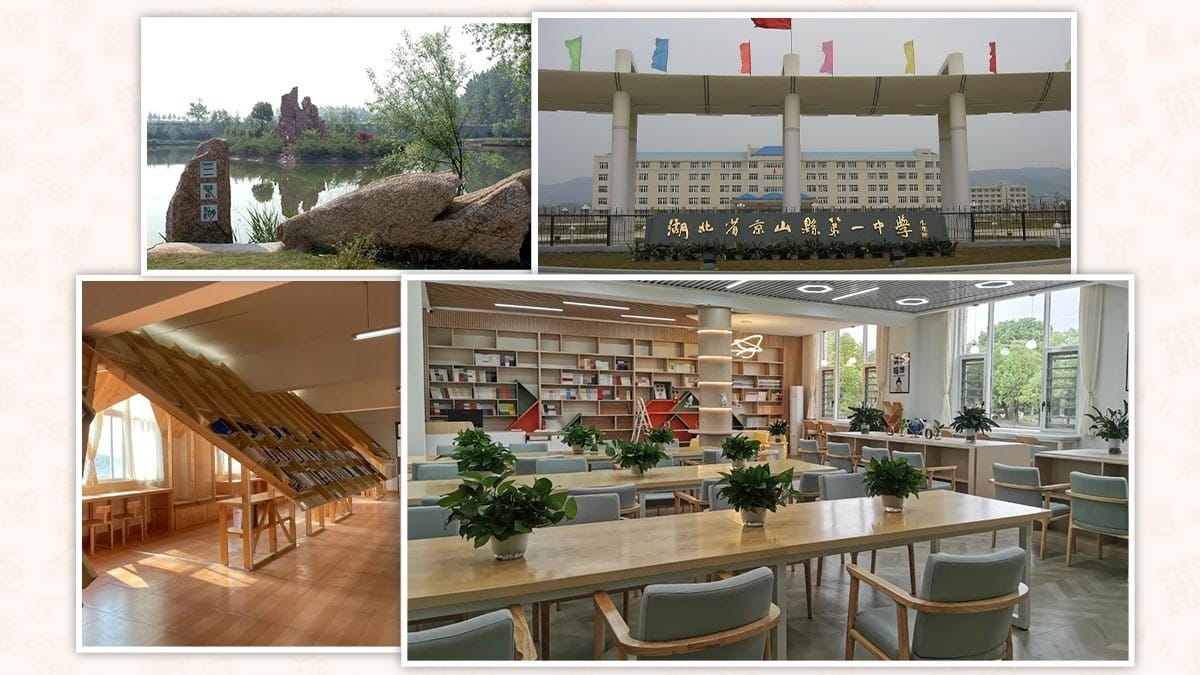
Tennis training only works if students leave with real academic options.
In 2024, the school's undergraduate admission rate was 89.3%. For the top academic classes—Olympiad Classes—the science rate was 97.3%. The liberal arts rate was 99%. These are strong numbers for a public school.
For tennis students, 73 have entered China's top universities since the program began.
Recent placements include:
- South China University of Technology
- Northwest A&F University
- Hunan Normal University
Academic teachers travel with students during competitions. Mobile classrooms are set up on the road. Students do not fall behind at ITF junior events or national tournaments. After events, organizers arrange makeup classes. No student catches up alone.
The school runs a dynamic assessment system. If grades drop, the school cuts training hours. If players' tennis performances drop, coaches add extra court time. Both sides hold themselves accountable.
What Results Has the Program Produced?
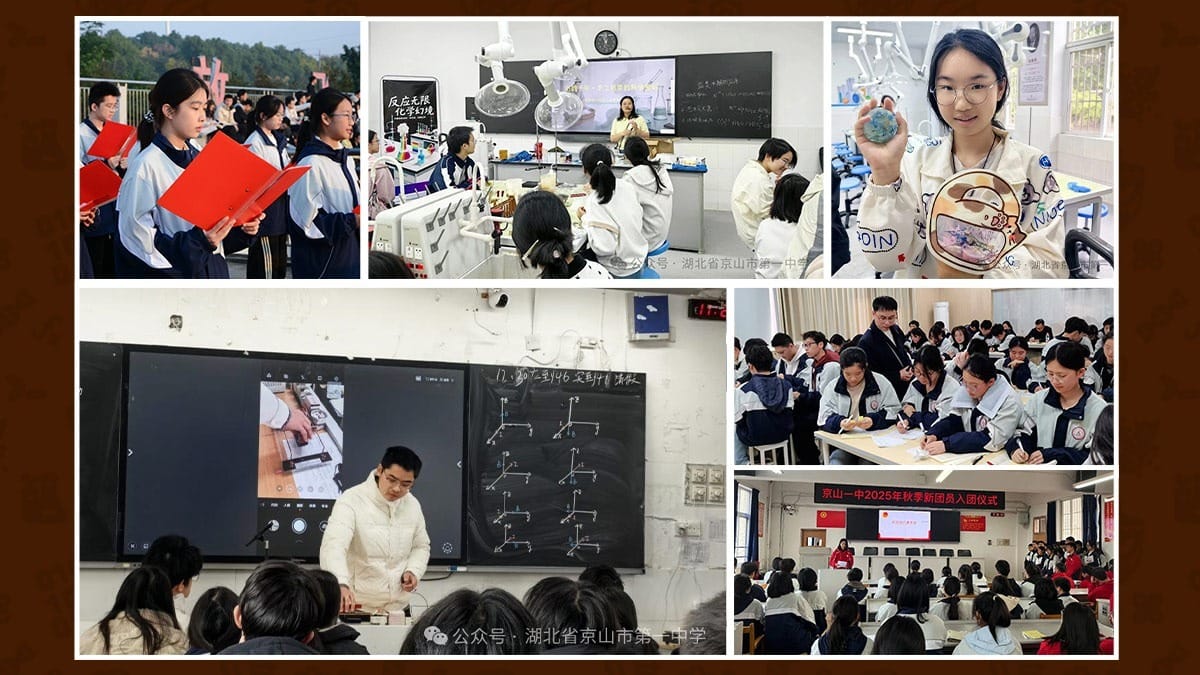
The numbers come from verified source documents.
Professional pathway results:
- Since 2022, the Hubei Provincial Tennis Team has selected nine students
- 7 students in the National Junior Tennis Reserve Team as of 2025
- 6 students in the National Tennis Youth Team
- 2 students on the National Youth Team as of 2025
- 25 students certified as National Level 1 athletes
- 32 students certified as National level 2 athletes
Competition results:
- 217 gold medals in national competitions from 2022 to 2025
- 310 gold medals in provincial competitions over the same period
- Provincial awards growing at 30% per year
University placement:
- 73 tennis students placed in China's top universities
- Provincial model high schools admitted 100% of junior high graduates
- 80% passed provincial model high school lines on academics alone
One case stands out: Student Wu Ruqian won the U16 girls' team gold medal for Hubei Jingshan. She then competed in Turkey at the 2024 Billie Jean King Cup Junior Finals.
In August 2025, Jingshan hosted the ACE Australia-China Tennis Exchange Program. 120 players attended. International exchange is now part of the regular school calendar.
What Should International Families Know Before Applying?
This school has no structured international student program. There is no IB or A-Level curriculum. All classes are in Mandarin Chinese, and the Chinese curriculum is adapted for foreign students.
Your child needs at least an HSK level. If they do not have it, language prep must come first. A student cannot handle a full training load and a full class schedule while learning Mandarin from scratch.
For families with a child who has solid Mandarin, a real tennis background, and a clear goal, this school caters to that profile.
Conclusion
Jingshan No.1 is one of the most complete tennis school programs in China. The training environment is serious. The clay courts and outdoor courts meet professional standards. The ATP-level coaches and foreign coaching team bring real international experience. The academic results are strong. The staff verifies the university numbers for tennis students.
This school works for families with a clear plan. Your child needs solid Mandarin. They need a real commitment to tennis. They need to handle a full day of scientific training and academic study.
If those boxes check, the path here is well built. Students move from stroke technique sessions and fitness training to ITF junior events and tennis camps. All inside one system.
Alifa Education Services works with families across Southeast Asia and India. The team looks at your child's language level, tennis background, and academic goals. They match that profile to the right program. They manage the application. They support enrollment from start to finish.
You do not have to do this alone.
Book a free consultation with us today. Find the right tennis school in China. Build the right path for your child.


Member comments