

Introduction
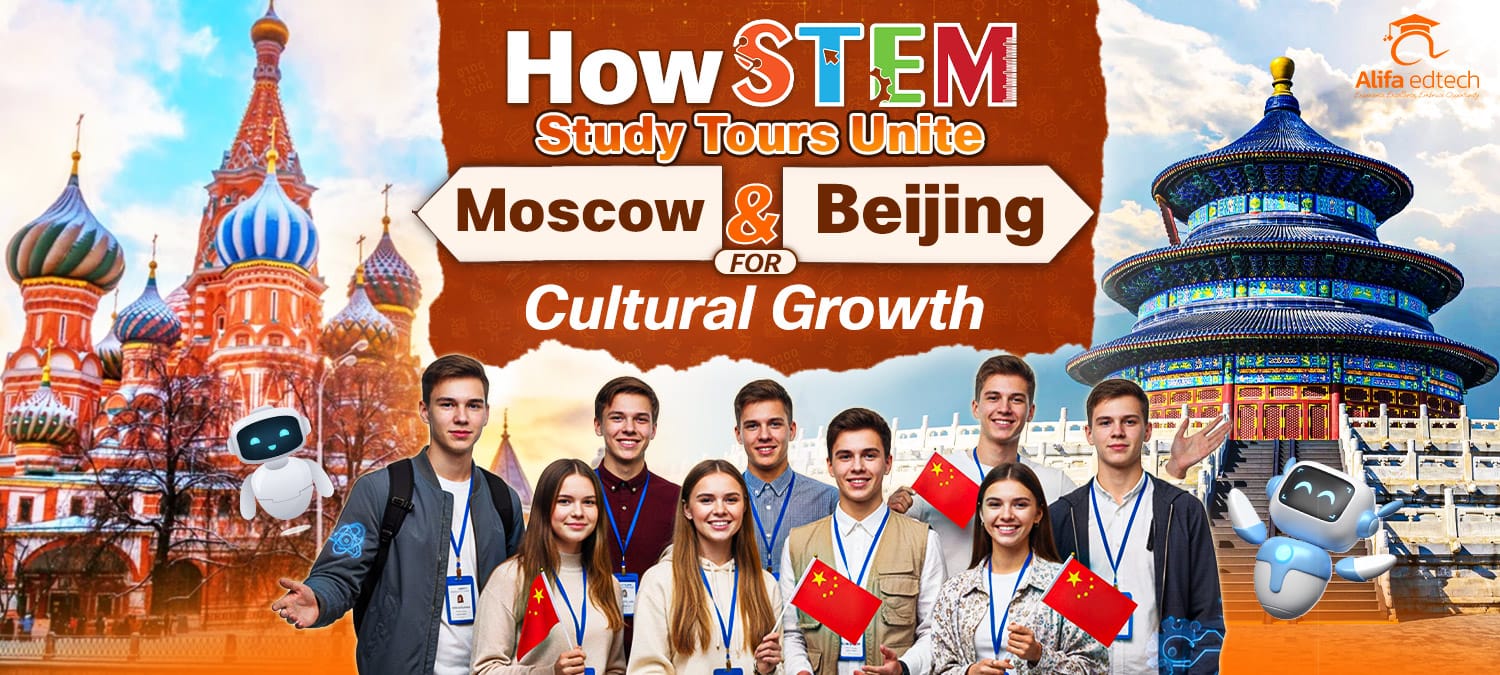
In May 2025, during Russia's traditional spring holiday period, Beijing welcomed 30 teenagers from International School of Moscow (ISM). They came as students, not tourists. They were ready for a 14-day learning journey. This programme mixed STEM education, artificial intelligence, Mandarin studies, and Chinese cultural experiences.
The goal was clear. "We need innovators who understand different cultures," said Ekaterina Voronina. She is Principal of the Future Leaders Academy. This vision led to a partnership with The High School Affiliated to Beijing Normal University (BNU). The High school of BNU is China's top public school for K12 education. Together, they created a "STEM + Culture" programme for international middle and high school students aged 14-18.
The STEM specialized classes were held in English, creating a truly collaborative learning environment. Chinese middle and high school students joined the 30 visiting students in mixed classrooms, sitting side by side as they worked through robotics labs and coding challenges together.
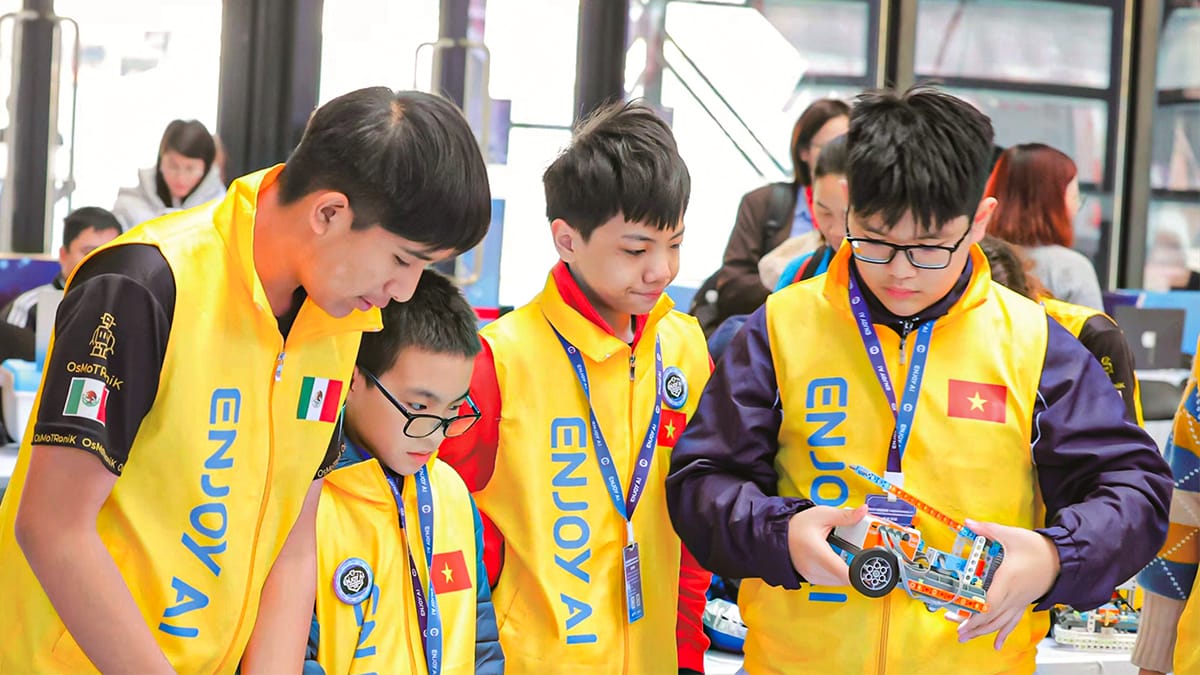
They explored smart cities, learned about medical innovations, and built critical thinking through problem-solving. These shared experiences built bridges that connect two cultures—not just between countries, but between individual students learning together.
Every year, Alifa Education Services organizes STEM study tours and school exchange programs throughout China, timed perfectly with school holidays worldwide. Whether it's spring break, summer vacation, or winter holidays in your country, we have programs ready for middle and high school students aged 14-18.
Want a safe, trusted way to connect your students with China-based STEM programs? Alifa Education Services works as the link between your school and verified host schools in Beijing.
We check every program for quality, match you with the right partners, and support you from booking, execution to program completion. Get in touch for a free consultation and explore our Beijing study tour programmes for Russian and Central Asian Students.
The Rise of STEM Study Tours in Global Education
STEM study tours have experienced rapid growth in recent years. These programmes offer more than classroom learning. They provide learning by doing. This changes how students think about science, technology, engineering, and maths.
The Moscow-Beijing partnership shows this change. Old exchange programmes focused on language and sightseeing. Modern STEM tours add computer science, robotics engineering, drone training, and virtual reality (VR/AR). Students do not visit a country. They solve real problems there.
International students gain invaluable exposure to China's rapid technological advancement. By studying in Beijing, these 14-18 year-olds experience firsthand China's leadership in artificial intelligence, smart city infrastructure, and digital innovation—skills and insights they cannot get from textbooks back home.
These tours fill a key gap in education. Many students learn coding alone. STEM tours put them in real-world settings. One student might code an app to help Beijing residents sort waste. Another might build programmes to preserve old buildings. This work matters. It serves real communities.
To learn more about the services offered by Alifa Education, please visit our dedicated page. Whether you are a guardian, affiliated with an international or bilingual school in China, or a study abroad education agency, Alifa Edtech offers services tailored to your unique needs. Please visit our page to learn more about our offerings.
Key Activities and Cultural Immersion in Beijing Tours
The Beijing programme started with a challenge. Professor Liu Qiang works at BNU's AI Institute. He asked students to predict bike-sharing patterns. This wasn't a theory. Students used real Beijing traffic data. They visited streets to watch bike use.
Morning Sessions
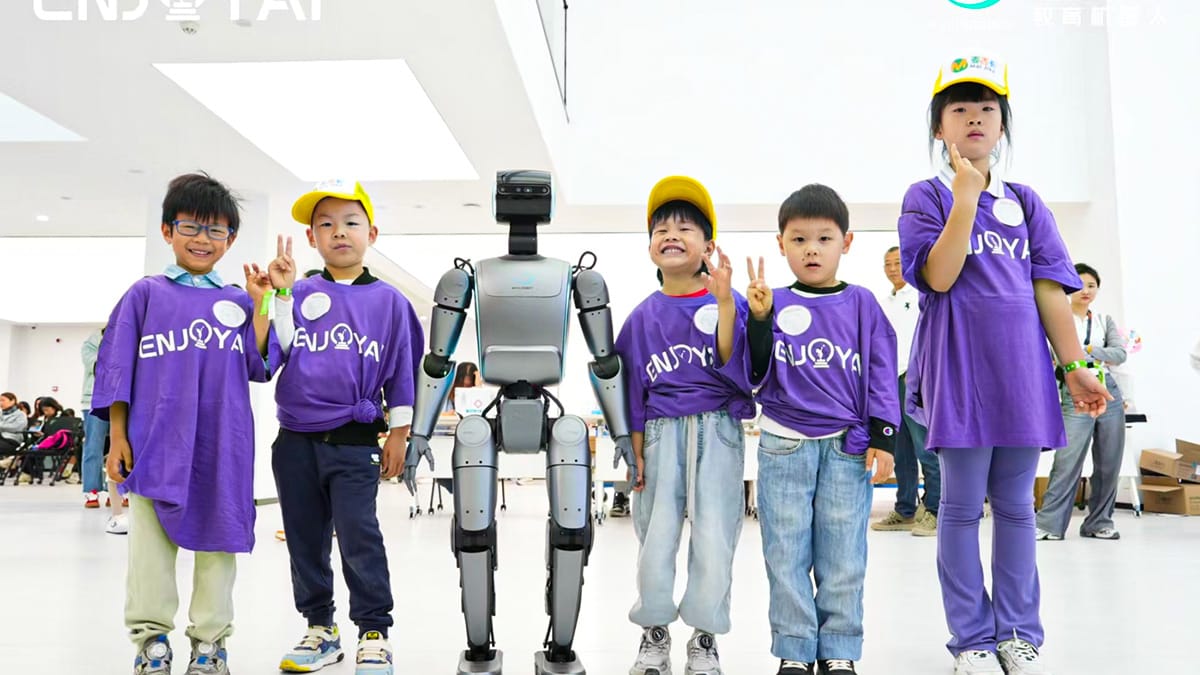
Morning sessions taught technical skills. Students learned machine learning, Python programming, and maths modelling. Afternoons moved to the Maker Lab. Theory became practice there. Dmitry Sokolov's team built an AI system. It identifies features of traditional Chinese buildings. This required deep research into building design.
Evening Workshops
Evening workshops taught language. Teacher Chen Jing created "Survival Chinese" lessons. Students learned to use WeChat Pay and ask for directions. They learned to read subway signs. But they also learned why Chinese people greet in certain ways. They learned what the word for "harmony" means.
Weekend Visits
Weekend visits brought STEM to life. At Baidu's technology park, students saw self-driving cars. They met engineers. These engineers explained how companies, universities, and the government build AI systems together. Students also tried AR museum projects. These use augmented reality to show Forbidden City artefacts.
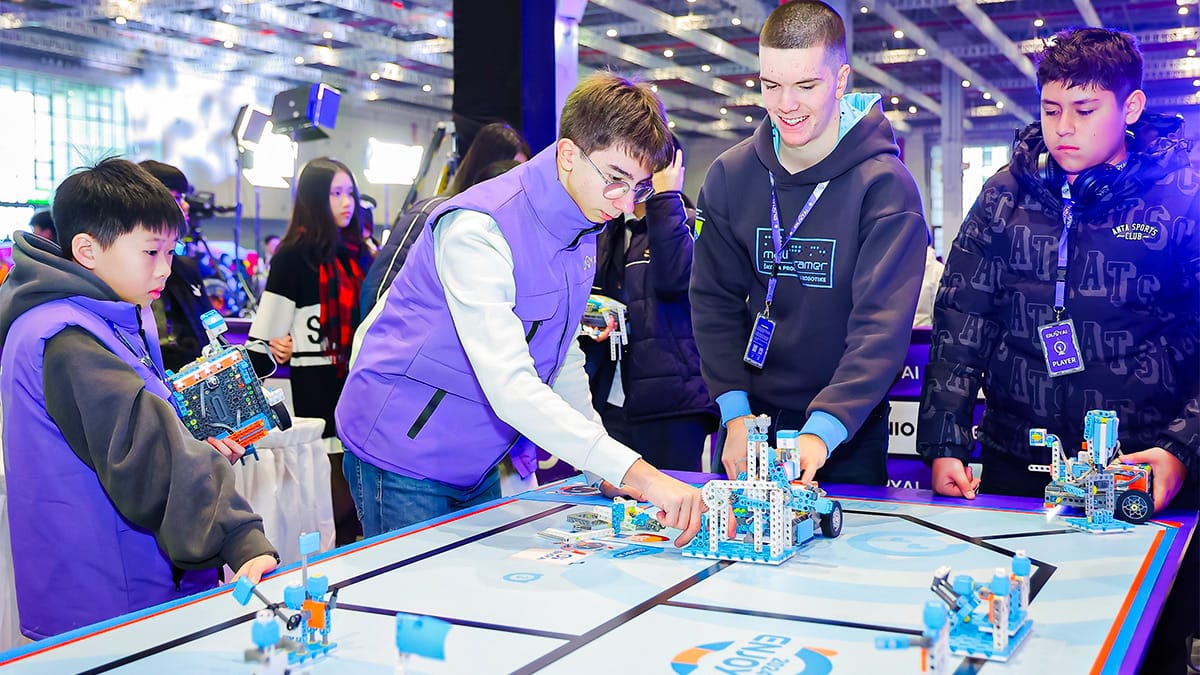
At Tsinghua University's Maker Space, students met an undergraduate team. They work on smart agriculture. The project uses IoT technology. It helps grape growers increase yields. Anna noticed something. The core maths was like her team's work. "Technology for good is universal," she said.
Cultural Activities
Cultural activities built understanding. At the Great Wall, students touched history. In the Forbidden City, they did treasure hunts. They found roof decorations. They studied symmetrical design. A tea ceremony taught them about ritual and respect.
Local Foods
Food became lessons too. At a Peking duck class, students learned why the chef makes 108 cuts. They learned what group dining means in Chinese culture. Making dumplings taught them about New Year traditions. Street food trips changed their view of Chinese daily life. They tried fermented bean drink and candied hawthorn.
Study tours in China, year-round! 🎓 Ages 14–22. Language immersion, cultural deep-dives, STEM/AI/Robotics projects—we've got it all. Tap the Google Drive link and reach out when you're ready!
Real-World Impacts on Students and Innovation
Week two focused on finishing projects. Each team had five days. They had to finish a working model and prepare a talk. Mentors helped by day. At night, teams held "Failure Sharing Sessions." They discussed problems with transparency.
Dmitry's team hit a roadblock. They needed to train their building AI. This required thousands of labelled images. A BNU high school and university assistant helped. She connected them with an online community for cultural preservation. Within 48 hours, over 300 volunteers helped finish the labelling.
Sofia's team created an AI waste-sorting guide for Beijing residents. They added Beijing dialect voices to make it friendly. "When our programme said in a Beijing accent, 'Hey, this goes in other waste,' everyone laughed," Sofia said. The project showed that technology can be warm and funny.
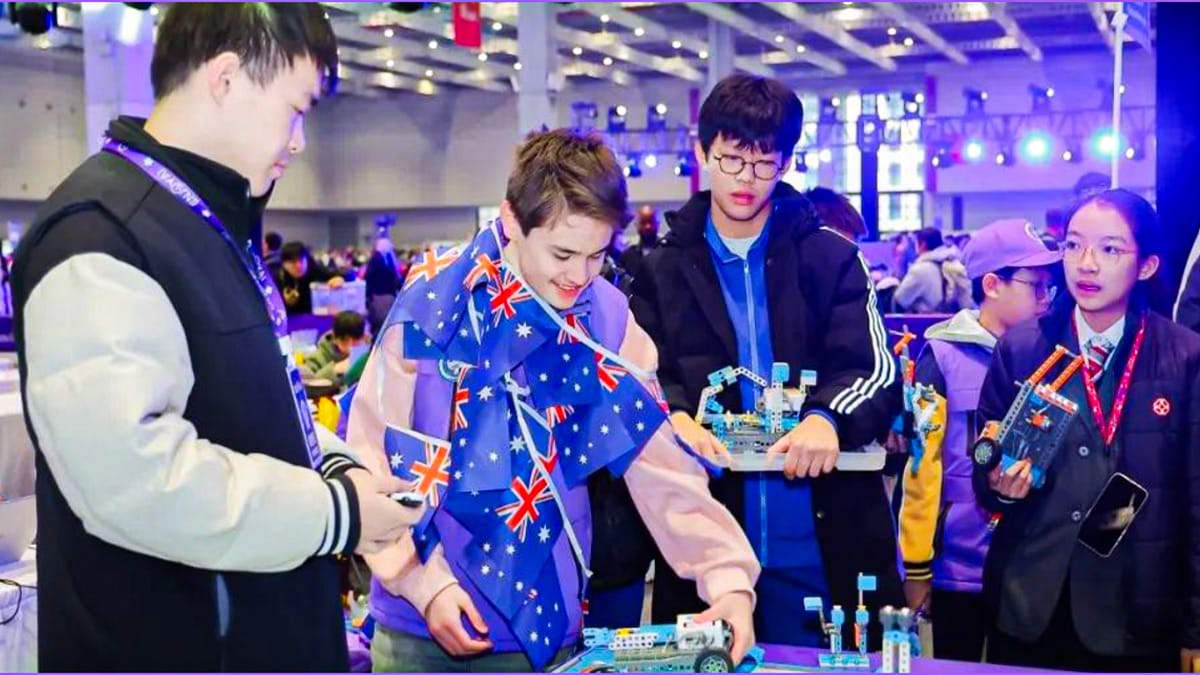
Students gained problem-solving skills. Anna wrote in her journal something powerful. "At 2 a.m., my Chinese teammate and I were still fixing code. When we solved it, we hugged. Science knows no borders."
The change went beyond tech skills. Students built critical thinking by working in new cultural settings. They learned to see problems from many angles. They practised changing their communication styles.
Three months later, Dmitry's building AI project won gold at the Moscow Youth Science Competition. Judges asked about his success. He said: "We stood on the shoulders of China's Great Wall, looking towards the future."
Other students kept their projects going. Anna's team kept working online to launch their Smart Hutong Guide app. These aren't school projects. They're real innovations serving communities.
Teachers noticed changes. Students became more active in class. They asked better questions. They challenged ideas more. One student used the Go game idea of "potential" to explain geometry. This cross-cultural thinking made class discussions richer.
How these tours foster long-term collaboration
The closing ceremony showed the programme's real impact. Students got bilingual certificates from The High School of BNU’s Principal. But the real meaning went deeper than recognition.
Mikhail surprised everyone. He said in Chinese: "Thank you, teacher. I will return." His honesty moved the audience. Anna's team won the Best Innovation Award. In her speech, she promised something. "Our team will keep working online. We'll make our app go live."
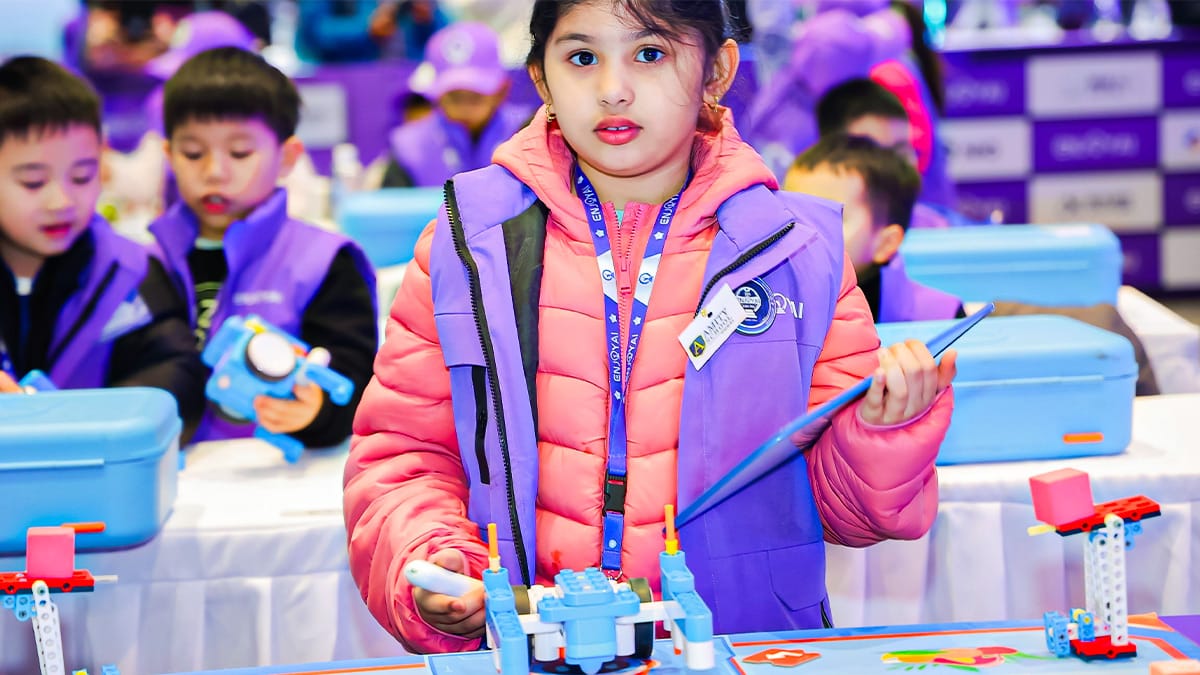
BNU professors wrote personal notes for each student. Professor Liu Qiang told Dmitry something important. "You showed great technical insight. But what's more valuable is your care for cultural details. The best programmes always serve humanity."
The programme created networks beyond students. Faculty from both schools now work together on research. They're building joint courses. They're sharing teaching methods. Zhang Ming works at BNU's International Cooperation Office. He said they plan to copy this model with Japan and Korea.
Parents noticed changes at home. Principal Ekaterina shared a detail. Anna taught her younger brother to count in Chinese via video call. This shows education's real impact.
The programme also built cultural understanding. When Russian and Chinese students worked together on coding, they saw past stereotypes. They learned that people everywhere want similar things. They found that respectful teamwork beats competition.
These relationships keep growing. Students keep group chats. They share coding tips and cultural insights. Some plan return visits. Others talk about graduate school together. The tour planted seeds for decades of teamwork.
On the final night, students did cultural exchanges. Russians sang "Katyusha." Chinese students played "Moscow Nights" on the guzheng. The songs mixed together. They created harmony beyond language.
Sofia left a handwritten note at her hotel. "Beijing, thank you for teaching me to see the world with different eyes." The hotel manager pinned it on the staff wall. It became their most treasured keepsake.
Conclusion
STEM study tours between Moscow and Beijing prove something important. Education can unite cultures. These programmes mix technical training with deep cultural immersion. Students don't learn computer science and robotics engineering. They learn to work across differences.
The results are clear. Students build stronger problem-solving skills. They gain confidence working in new places. They build international networks. These support career paths in technology and innovation. They become ambassadors for teamwork, which is crucial.
Real innovation happens where civilisations meet. The best education points towards an open, connected world. STEM and Chinese Cultural study tours between Moscow and Beijing show us this path forward.Every year, Alifa Education Services holds study tours and exchange programs throughout the year.
Whenever you have long holidays in your country, reach out to Alifa Education Services for unique study tours and school exchange programs in China. We focus on middle to high school students and have many programs to offer.
If you are an education agent or study abroad institution interested in exploring study tour programs with Alifa Education Services, please fill out our EOI (Expression of Interest) form. Our consultants will contact you soon.
Related Articles
 Emmanuel Usang
 Emmanuel Usang
 Emmanuel Usang
 Emmanuel Usang


Member comments