

Introduction
China has over 972 international schools as of 2024. This makes it a top choice for expat families seeking global education. The British curriculum stands out. Cambridge Assessment serves over 312 registered schools in China.
IGCSE prepares students aged 14-16. It covers broad subject knowledge. A-Levels follow for ages 16-18. Students study 3-4 subjects in depth. Together, they open doors to top overseas universities. Many families worry about exam boards and subject choices. This guide answers those questions with clear facts for 2025.
Planning ahead saves stress. Know which exam boards operate in Beijing, Shanghai, or Guangzhou. Understand subject combinations for medicine or engineering paths. The right steps lead to strong academic results.
Are you ready to navigate IGCSE and A-Level schooling in China? Book a free consultation today with Alifa Education Services for expert guidance
Overview of IGCSE and A-Level Qualifications
IGCSE stands for International General Certificate of Secondary Education. Students take it during Years 10-11. They cover 8 to 10 subjects on average. Cambridge Assessment and Pearson Edexcel are the main exam boards in China. Subjects range from language and literature to physical education. Foreign language options are also available. This builds a strong base for advanced studies.
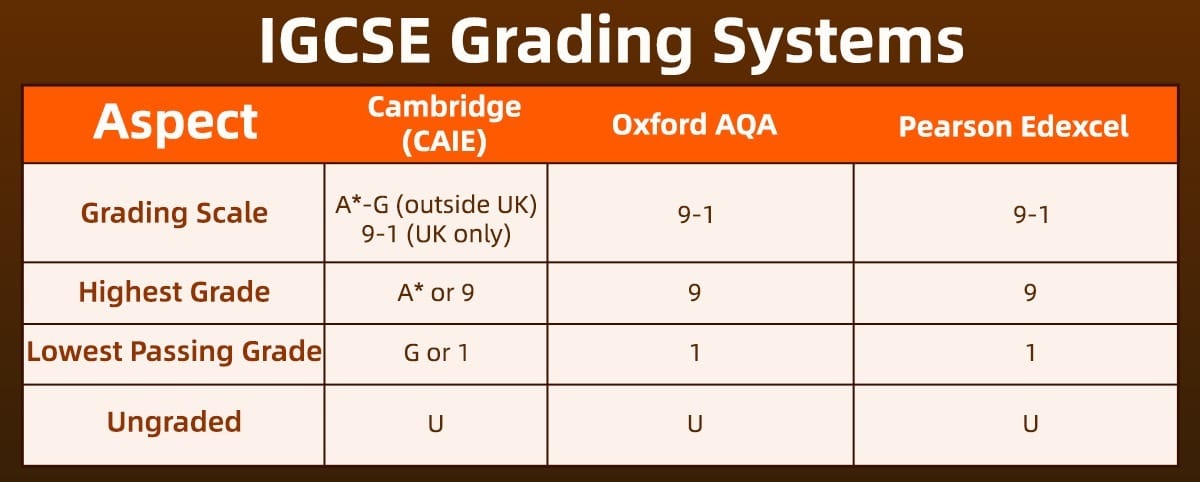
A-Levels come next. Students take Advanced Level exams. They suit students aged 16-18. Students study 3-4 subjects in depth over two years. The first year covers AS Level content. The second completes the full A-Level. Universities worldwide need three A-Levels for entry. Top schools like Oxford need AAA grades. Others accept ABB or lower.

IGCSE offers many subjects. A-Levels demand focus in fewer areas. Both use end-of-course exams. Grades range from A* to E. Some subjects include coursework. Most rely on final tests.
These qualifications provide clear paths to global universities. Chinese universities also accept A-Levels. IGCSE alone does not meet their 12-year education rule. Students must complete A-Levels for Chinese university entry. The British Council supports exam registration across major cities.
Exam Boards Available in China
Three exam boards serve China's international schools. Cambridge Assessment International Education leads with over 312 registered centers. Pearson Edexcel and Oxford AQA follow. They offer similar qualifications with slight differences.
Cambridge stresses critical thinking and problem-solving. It offers over 70 subjects. It remains the most known globally. Past papers and mark schemes are free online. Schools like Dulwich College Beijing and Wellington College International Hangzhou use Cambridge programs.
Pearson Edexcel uses a modular approach. Students can take exams in stages. Edexcel offers three exam sessions yearly for A Levels. These are June, October, and January. This helps students who need retakes. The Pearson Learner Awards honor top performers.
Oxford AQA entered China in 2015. The board focuses on 21st-century skills. These include applying knowledge, not storing facts. Its grade descriptions are clear.
All three boards hold equal standing at universities worldwide. Cambridge suits tough, traditional learners. Edexcel fits systematic approaches. Oxford AQA works for modern, hands-on students.
The British Council handles exam registration for private candidates. It operates centers in Beijing, Shanghai, and Guangzhou. Schools registered with exam boards handle student entries on their own.
Subject Selection and Combinations for 2025
Choosing subjects shapes university options. For IGCSE, most students take 8-10 subjects. Core picks include English, mathematics, and sciences. Adding the Chinese language builds valuable language skills. Physical education and foreign language choices round out a balanced program.
Science tracks need extended biology, chemistry, physics, and mathematics. These meet prerequisite subject needs for medicine and engineering. Business paths enjoy economics and accounting. Add mathematics too. Humanities students should focus on language & literature and history. Include a second language as well.
To learn more about the services offered by Alifa Education, please visit our dedicated page. Whether you are a guardian, affiliated with an international or bilingual school in China, or a study abroad education agency, Alifa Edtech offers services tailored to your unique needs. Please visit our page to learn more about our offerings.
A-Level combinations demand smart thinking. Medicine requires chemistry and biology. Adding mathematics or physics strengthens applications to top schools. Engineering needs mathematics and physics. Universities like Imperial College prefer Further Mathematics.
Business and economics degrees place a high value on mathematics. Pair it with economics. Add a third subject like history or business studies. Law accepts any subjects but favors essay-based options. History and English literature work well. Government and Politics is also good.
Avoid taking too many similar subjects. Three sciences without variety limit options. Check your school's offerings early. Not all private international schools in China provide every A-Level subject. Some bilingual schools need extra Chinese courses per government rules.
International classes at schools like New Oriental offer guidance. Teachers help match subjects to university goals. Students targeting overseas universities should research specific degree needs. Cambridge and Oxford list required subjects on their websites.
The IB diploma presents an option to A Levels. IB results compare well globally. Yet, A Levels allow deeper subject focus. Families should weigh both options.
Help us match families with top schools in China. Take our 1-minute survey to share what matters most.
Practical Guide for Expat Families
Registration starts 3-4 months before exams. For May/June sessions, standard deadlines fall in March. Late entries close in April. They cost much more. The British Council's online system handles private candidate registration. School students register through their schools.
Total fees vary by subject and board. IGCSE subjects cost around CNY 800-1,500 each. A-Levels range from CNY 1,800 to 3,000 per subject. Late fees can double these amounts. Early registration saves money. Payment deadlines are strict. Missing them cancels your entry.
They release exam results in mid-August for May/June sessions. Cambridge IGCSE results arrive on August 19. A-Level results come out on August 12. This timing works for September university starts. The gap is tight, though. Prepare visa documents early if planning for Chinese university entry.
Want to put your brand in front of families, students, and education-focused readers? We're inviting select partners to advertise with us on our trusted blog.
Want to get featured? Click 'Learn more' and submit a story for us to include.
Post Results Service options help if grades disappoint. A clerical recheck costs CNY 690-721. It checks mark totals. A review of marking costs CNY 1,060-1,174. It looks at your answers again. Priority services cost more but deliver faster results. Submit for Assessment requests must follow specific deadlines. Take quick action after getting results.
Finding exam centers is easy. Use Cambridge's online school finder. Contact the British Council through their official channels. Beijing, Shanghai, and Guangzhou offer many options. Schools like Harrow International School Beijing and British School Shanghai serve as registered centers. Private candidates use British Council offices in tier-1 cities.
Local fees include service charges beyond board fees. These cover venue costs and admin work. Check the registration guidance documents for exact pricing. They list all parts of the total fee in a clear way.
Consider the scheme of work for each subject. This outlines topics and timing throughout the course. It helps students pace their studies. Grade descriptions explain what each level requires. This helps set real targets.
Challenges faced by Expat families

High Cost of Tutoring
Extra lessons and cram schools are widely available for IGCSE and A-Level subjects. These offer both online and offline coaching. Private tutoring costs CNY 500–2,000 per hour in major cities. Popular providers include New Oriental, New Channel, and other coaching centers.
Finding the Right School
Choose a school that offers both IGCSE and A-Level programs. This ensures smooth progression from Years 10-11 to Years 12-13. Some public schools have international divisions offering IGCSE/A Level subject classes. Note that some teach in Chinese as the language of instruction. This may not suit all expat families. Check the language of instruction before enrolling. Private international schools typically teach in English.
Registration Deadlines
Register 3-4 months before exams to avoid high late fees. March is the deadline for May/June sessions. April is the final late entry date. Missing deadlines means you lose your exam spot.
Finding the Right Subjects
Chinese students are very strong in STEM subjects like Further Maths. Expat children may not be their forte. Maybe more of the English language and literature, arts, and music; these subject offerings are not available in many schools.
Support Services
Most international schools offer university counseling. Use this service to match subjects with degree requirements. Teachers can guide you on which combinations work best for medicine, engineering, or business paths.
Conclusion
IGCSE and A-Level programs offer proven paths to global universities. Expat families in China have strong access. There are 312+ Cambridge schools. Edexcel and Oxford AQA's presence is growing too. Success requires knowing exam boards. Choose subjects with care. Meet registration deadlines.
Start by researching your child's interests and university goals. Match subjects to degree needs. Use official university websites for this. Register early to avoid late fees. Secure exam spots. Use Post Results Services if needed. Plan timelines with care around August results and September starts.
China's international education setup supports these qualifications well. The British Council provides reliable exam services. Private international schools offer skilled teaching. They provide university counseling too. Academic results depend on preparation. Invest time in selecting the right program.
Related Articles
 Emmanuel Usang
 Emmanuel Usang
 Emmanuel Usang


Member comments