

Introduction
Harbin Meijia Foreign Language School sits in Harbin’s Songbei District. Many Russian and Central Asian families ask one question: Is this school worth the move?
Parents want their child to master Chinese. Most also want their child to keep strong English. Some families want strong Russian too. Meijia offers all three languages, with Russian required for every student. The school also runs a path to a Canadian high school diploma through a partnership with an Ontario school board. That diploma path runs through the International Department.
A good reputation alone won’t answer your questions. You need real numbers. Tuition costs matter. Class sizes matter. Teacher quality matters most of all.
Primary tuition starts at just ¥33,000/year (about $4,600 USD) — a fraction of what comparable schools charge in Beijing or Shanghai.
Below, you’ll find a full look at tuition fees, the Sino-Canadian diploma track, campus facilities, and who the school suits best.
A school search from abroad rarely feels simple. Alifa Education Services can help. Our team checks real admission rules and compares schools side by side, free of charge.
Key Takeaways
Opened in 2013 as a K-12 school on an 80,000 m² campus in Harbin’s Songbei District, built on a ¥350 million investment.
Russian is not compulsory for every student, alongside English, from the early grades — a rare combination even in Harbin, a city with deep Russian ties.
The International Department leads to a real Canadian high school diploma through a partnership with Ontario’s Upper Canada District School Board.
Class sizes stay small: foreign language classes cap at 24 students, well under China’s public school average.
Tuition starts around ¥33,000/year (~$4,600 USD) for Primary, with Kindergarten running ¥24,900–49,800 depending on the track — still far below Beijing or Shanghai rates.
Boarding available from Grade 4, with day-student options across every division.
Holds two national credentials: a Ministry of Education honor (Nov. 2021) for transmitting traditional Chinese culture, and membership in the National Foreign Language Schools Work Research Association since the same year.
A Quick Look at the School
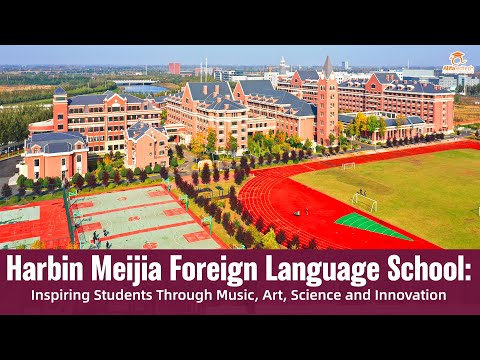
Harbin Meijia Foreign Language School opened in 2013. Harbin’s education bureau approved Harbin Liangshi Culture Education Development Co., Ltd. to found the school in July 2012, one year before it opened. The group also goes by the name Qidi Education Group and runs the original sister campus, Suzhou International Foreign Language School, founded in 1995. The campus covers 80,000 square meters in Harbin’s New Area. Total investment topped 350 million RMB. The school’s motto translates roughly as “distinguished, never arrogant; luminous, never dazzling.”
Meijia runs a full K-12 structure across five divisions: kindergarten, primary, middle school, high school, and an international department. The high school division follows China’s national curriculum toward the Gaokao. The International Department runs a separate pathway abroad. Around 2,800 students study across these divisions. Families can pick day attendance or boarding. Boarding starts from Grade 4 onward. Principal Zhang Lirun (张丽润) has led the school since 2025.
| At a Glance | Detail |
|---|---|
| Location | Songbei District, Harbin New Area, Heilongjiang Province |
| Opened | 2013 (founding approved 2012) |
| Operator | Harbin Liangshi Culture Education Development Co., Ltd. (also known as Qidi Education Group) |
| Campus | 80,000 m² site · ¥350 million total investment |
| Structure | Kindergarten, Primary, Middle School, High School (domestic/Gaokao), International Department (pathway abroad) |
| Principal | Zhang Lirun (张丽润), since 2025 |
| Enrolment | ~2,800 students |
| Attendance | Day and boarding (boarding from Grade 4) |
| Languages | Chinese, English, Russian (required); French, Spanish (electives) |
| Class Size | Primary ≤36 · Middle School ≤40 · language classes ≤24 |
| Signature Program | Sino-Canadian diploma track with Ontario’s Upper Canada District School Board |
| Recognition | MOE traditional culture school (Nov. 2021) · National Foreign Language Schools Work Research Association member (2021) |
Bilingual Instruction and Language Acquisition
Language sits at the center of Meijia’s identity. Since 2021, the school has belonged to the National Foreign Language Schools Work Research Association, linked to China’s Ministry of Education. Russian is available as a second foreign language option, alongside English. It’s not required for every student. They are one of the few schools in Harbin to provide this unique approach. It helps your child keep their Russian language skills. At the same time, they can also build strong Chinese and English communication skills.
French and Spanish come as elective minor languages. Language classes cover six skills: listening, speaking, reading, writing, translation, and performance. Small groups support this teaching model. Foreign language classes cap at 24 students in primary and middle school — well below China’s public school average.
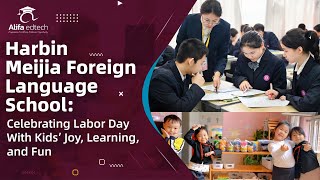
Bilingual teaching goes beyond language class. Art and PE lessons often mix Chinese and English instruction, with local and foreign teachers teaching these classes together. Middle school students also take bilingual history and geography courses.
The International Department: A Path to Canada
Some families plan a future move abroad. For them, Meijia’s International Department offers real value, separate from the school’s domestic high school division. The department runs a Sino-Canadian program. The partner is the Upper Canada District School Board. Meijia’s sister school in Suzhou runs the same partnership. That link goes back to 2003. A separate China-Australia program, using the Australian VCE curriculum, is also available for families considering that path instead.
Students follow one of two paths:
1+2 Model
One year at Meijia, then two years studying in Canada.
2+2 Model
Two years at Meijia, then two years studying in Canada.
Both paths end in an official Canadian high school diploma. Universities worldwide recognize this diploma. Trained Canadian teachers travel to Harbin to teach core subjects, using Canadian textbooks and Canadian teaching methods.
The school reports strong early results. The first International Department cohort took the TOEFL Junior exam in 2013. All 16 students passed, posting an average score of 705 out of 900. Three students ranked among the top scorers in Heilongjiang province: Jiang Muhan with 810 and Hou Siying and Ji Xintong with 790 each.
The school also shares a scholarship story. In March 2014, student Liu Zijia won a spot at United World College. The scholarship was worth 180,000 RMB. The school describes it as the first such award for Heilongjiang Province in twenty years. That specific claim could not be independently verified beyond the school’s own materials. Confirm current program details and results with Alifa Education Services during enrollment, as specifics can shift from year to year.
Campus Facilities and Extracurricular Activities
Meijia’s campus carries real weight in facilities. Outdoor spaces include a 400-metre track, a football pitch, basketball courts, tennis courts, and a golf practice area.
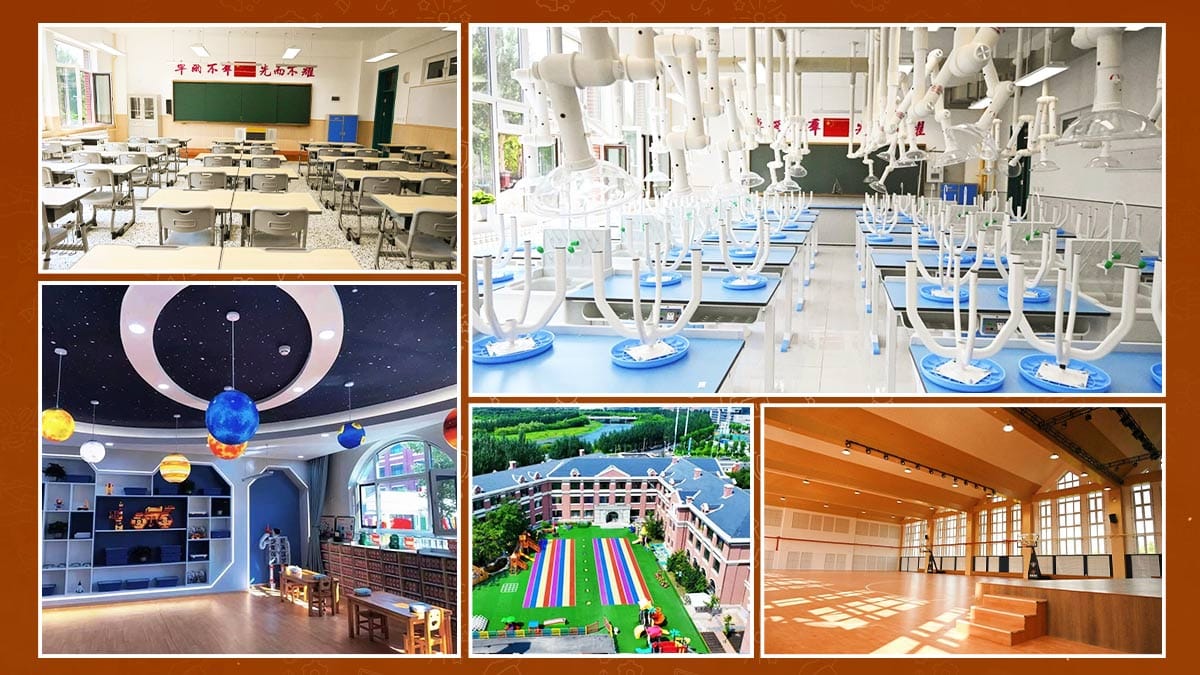
Indoor Facilities
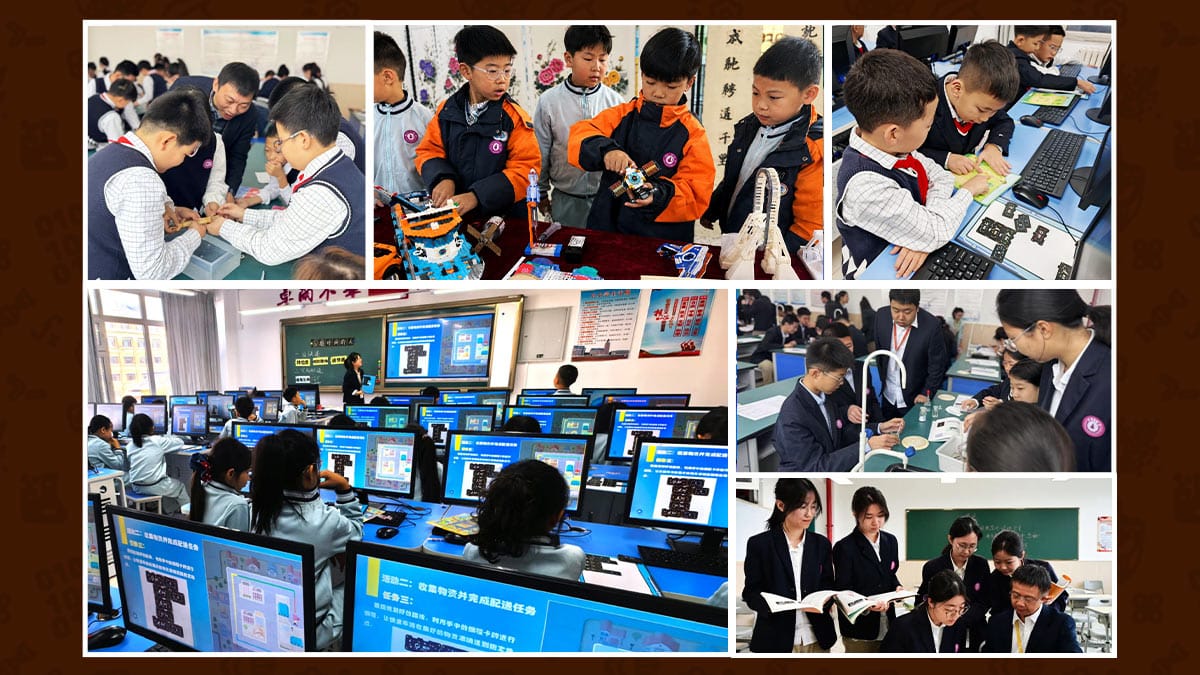
Extracurricular activities run deep. Students compete in robotics contests and join the 21st Century English-Speaking Competition. Many students enter CCTV’s “Star of Outlook” talent contest. An annual Foreign Language Festival brings speech contests, drama shows, and dubbing competitions to campus each year.
Teacher Qualifications and Class Sizes
Class size stays small at Harbin Meijia Foreign Language School. Typical Chinese public schools run much bigger. Primary classes cap at 36 students. Middle school caps at 40. The school-wide teacher-to-student ratio sits near 1:3 — rare in China. This figure counts all teaching staff across every division, not students in a single classroom.
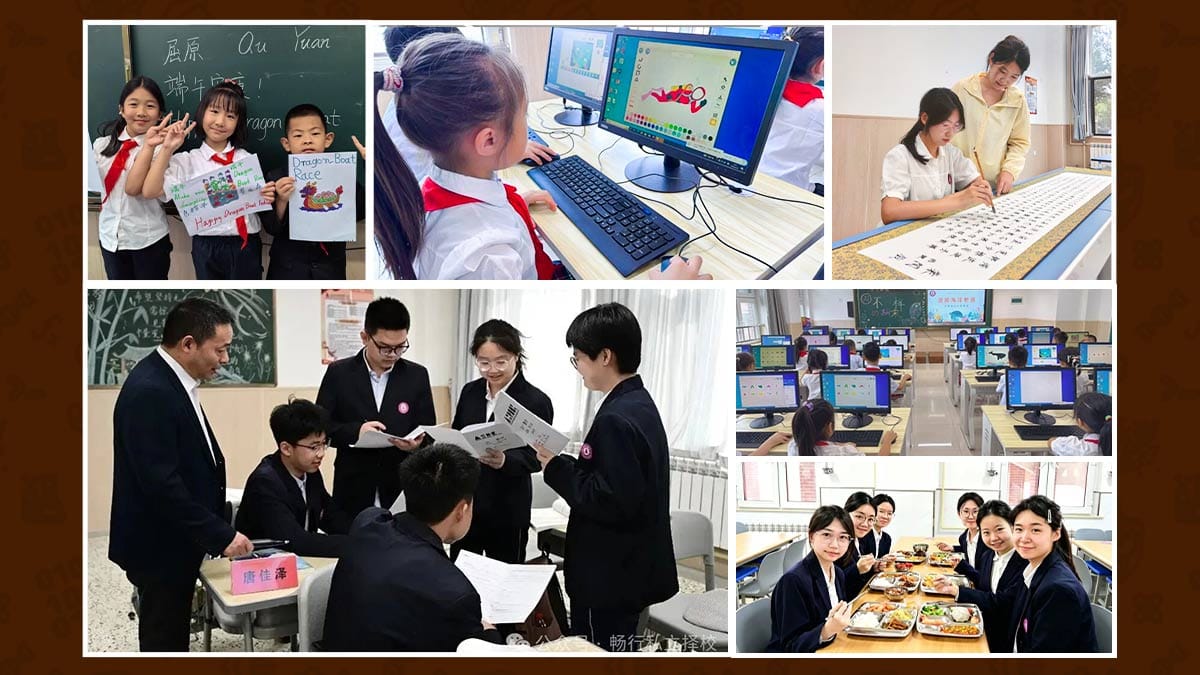
Teacher qualifications run high too. Over 80% of teachers hold municipal-level teaching honors or better, matching figures the school has reported publicly. Foreign teachers join every grade, from kindergarten through middle school, so your child meets native English speakers from day one.
Meijia holds teachers to strict rules. Paid tutoring outside school hours can lead to immediate dismissal — a policy written directly into teacher employment contracts. The rule shows a serious stance: Meijia values ethics and fairness.
Tuition Fees by Division
Harbin Meijia’s pricing stays far below Beijing or Shanghai rates. Fees have risen since the school’s original published figures, especially for high school and the International Department. Here’s the most current breakdown:
| Division | Annual Tuition | Boarding | Notes |
|---|---|---|---|
| Kindergarten (Bilingual) | ~¥24,900 (~$3,500) | +¥6,000 | 2022 figure — confirm current rate |
| Kindergarten (Featured) | ~¥49,800 (~$7,000) | +¥6,000 | 2022 figure — confirm current rate |
| Primary School | ¥33,000 (~$4,600) | +¥6,000 | — |
| Middle School | ¥36,000 (~$5,000) | +¥6,000 | — |
| High School | ¥57,600 (~$8,000) | +¥6,000 | Domestic/Gaokao track; up from ¥39,600 in 2023–25 |
| International Dept. | ¥50,000 (~$7,000) | +¥6,000 | Sino-Canadian diploma track |
Extra one-time costs apply too. Uniforms run around ¥1,700–1,800. Bedding around ¥800. Monthly meals run ¥900–1,000 depending on boarding status. High school and international department fees rose substantially in the past two years. Confirm current-year rates directly with the school, or with our team, before enrolling.
Admissions and Enrollment Timeline
Admission at Meijia follows the standard Chinese school calendar. The main intake happens each year, falling before the September school start. International Department seats fill the fastest, since class sizes stay capped and demand runs high among Russian and Central Asian families.
Families need a few key documents: a passport copy, past transcripts, and a health record. Grade placement often depends on an assessment or interview. Rules shift by division and by year — families should check current steps with Alifa Education Services.
International Exchange and Life in Harbin
Harbin holds deep ties to Russia going back more than a century. Russian restaurants, cultural centers, and a strong Orthodox church presence still mark the city today. Meijia has hosted real exchange as well. On April 11, 2019, a delegation from Innovation City, Tatarstan, led by Mayor Shakaleev Ruslan, visited the campus. The group toured the school’s history museum and watched student robotics, model aircraft, and cheerleading demonstrations.
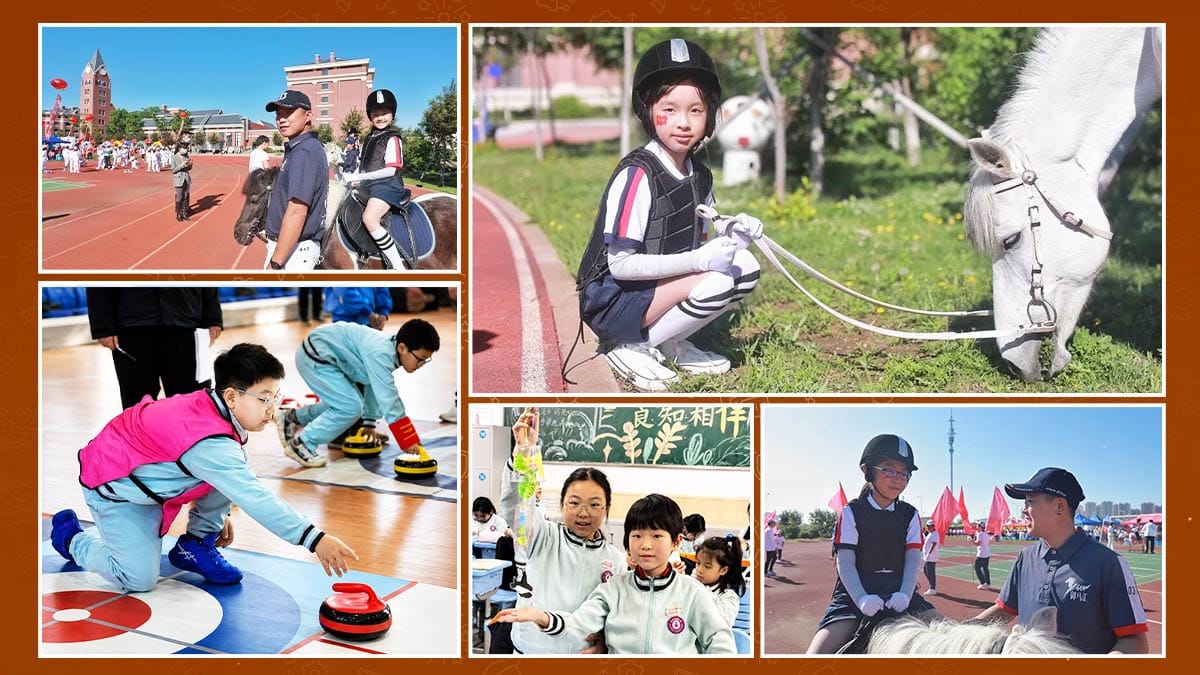
Study tours send students abroad too, to destinations including the UK, Canada, Australia, and Singapore. These trips give students real exposure to life beyond China’s borders each year.
Who This School Suits Best
Meijia fits families who want three languages at once. It also fits families eyeing a move to Canada and budget-conscious families who still want small classes and foreign teachers. Some families may want a different fit — a placement advisor can help weigh the choices.
Best Fit For
Consider Alternatives If
Frequently Asked Questions
Conclusion
Harbin Meijia Foreign Language School offers a real option for Russian and Central Asian families. It teaches Russian as a required subject and runs a genuine Canadian diploma pathway. Class sizes stay small, and foreign teachers join from kindergarten onward. Tuition stays far below Beijing or Shanghai rates. A good school on paper isn’t always the right fit, though. Families still need to match program space against their timeline. They should weigh tuition against their real budget and check the school’s current admission windows and reported results.
Alifa Education Services
Let Alifa Education Services help you decide.
Our team checks current admission rules and compares Meijia against other schools that match your goals. We walk you through each application step, so you get a clear answer, not a guessing game.
📅 Book a Free Consultation →Disclosure: Alifa Education Services is an independent education placement consultancy. We may earn a referral fee from partner schools when families enroll, at no extra cost to the family. Our recommendations are based on fit, not fee structure.


Member comments