


Introduction
Green Oasis School is in Futian District, Shenzhen City, Guangdong Province. For over 20 years, it has built confident, bilingual young people. Parents from Southeast Asia and India want to know: What helps students succeed here? The answer is simple: three key things make a difference. First, a smart learning setup. Second, strong student support. Third, real-world experiences that matter.
The school opened in 2001. By 2006, it had its own name and its own path. Today, it holds the seal of the Council of International Schools (CIS). Fewer than five schools in Shenzhen carry that mark. The school serves students from Year 1 to Year 9. Chinese and foreign students are welcome. You do not need a passport or local residency rule to apply. The acceptance rate for Year 1 is around 5%. That makes early planning essential. Most families who get in start the process one to two years ahead. If you're reading this now, the best time to act is today.
The right school in China is hard to find. You want strong teaching. You want your child to feel safe. You want a solid foundation that prepares your child for a top high school. Green Oasis School checks all three boxes. Read on to find out how.
Green Oasis School Learning Environment and Support
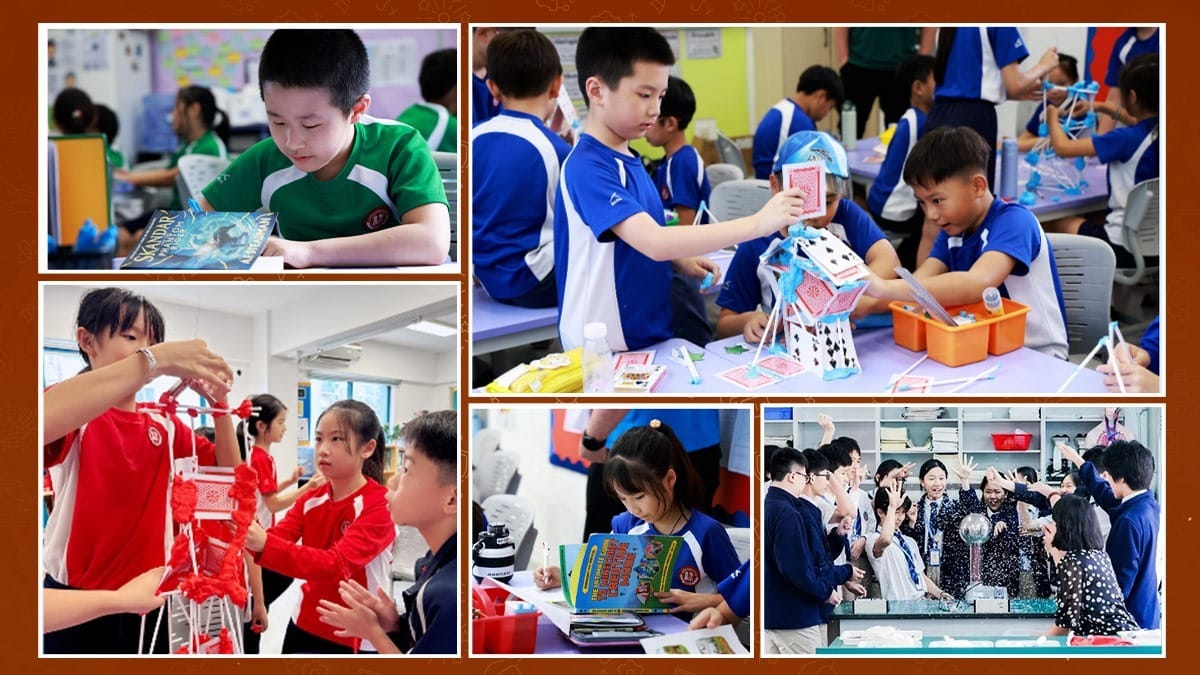
Walk into the primary school near Tianmian Village. You'll see it right away. Classes are small. Each class holds 20 to 25 students, whereas most schools in China put 40 or more students in one room.
The student-teacher ratio is 8:1. This ratio, supported by 113 full-time teachers for 903 students, is one of the best in Shenzhen. This ensures every child gets real attention from teachers who know their names and how they learn. By identifying challenges early, staff can act before minor issues escalate.
The primary school follows the UK National Curriculum. Students go through Key Stage 1 (Years 1 and 2) and Key Stage 2 (Years 3 to 6). Teachers design Year 6 studies to prepare students for the Cambridge International Curriculum in secondary school. This transition ensures a smooth move to the higher grades.
A Learning Management System keeps you in the loop. Check grades, behavior records, and school news from your phone. The system runs on-site, so it works well within China's network infrastructure.
The Head of School leads a diverse, well-trained team of 56 English teachers and 23 Chinese teachers. Foreign staff hold valid teaching credentials and work permits from the Chinese government.
In most subjects, teachers use worksheets and project work. Heavy textbooks stay on the shelf. Students are asked to think, not copy.
The secondary campus moved in 2020 to the former site of Shenzhen College of International Education. That link is no accident. Students in Years 7 to 9 use a floating classroom system. They move between subject rooms each lesson. Early independence grows fast here. The behavior management system is calm and firm. The school uses a house system. Students join a House and compete as a team. House life builds grit and group pride.
Green Oasis School's Bilingual Teaching Approach for Deep Learning
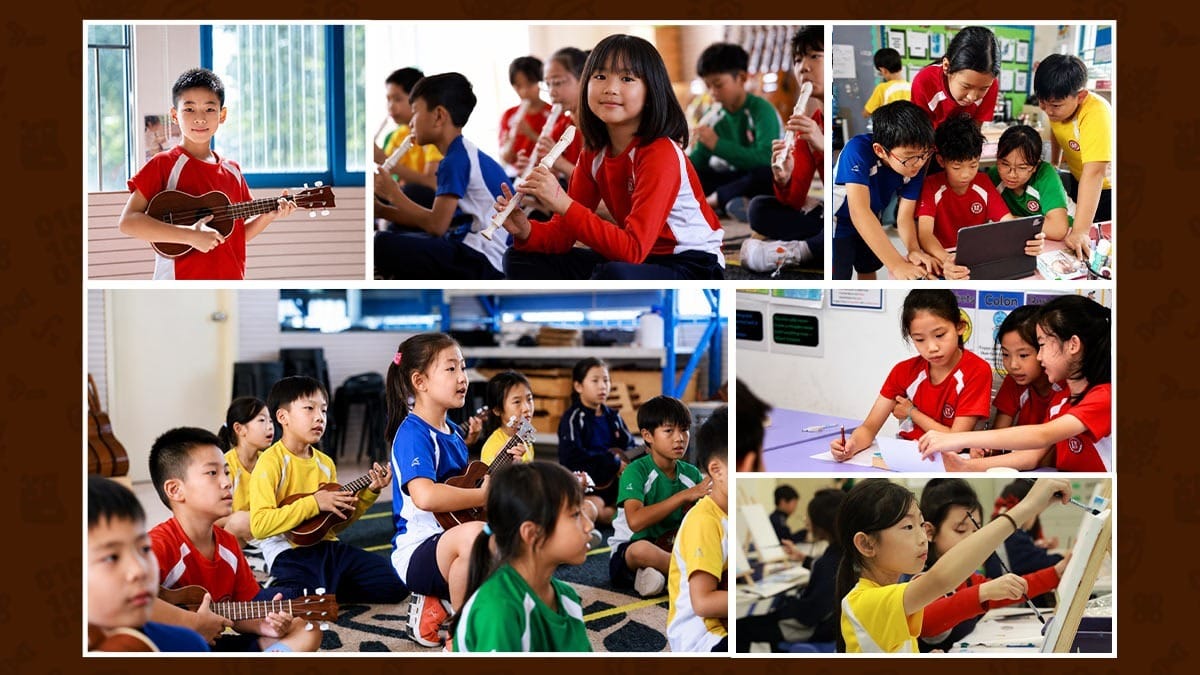
The school calls its method "dual native language" teaching. The school wants students to think directly in English and Chinese. They should avoid translating between the two languages.
Qualified foreign staff deliver lessons in science, maths, arts, and humanities in English. Local teachers teach the Chinese language and Chinese-curriculum maths in Mandarin. This clear split begins in Year 1 and continues through Year 9.
This approach provides lasting benefits for your child. Students with strong bilingual skills have more options later. They can aim for international qualifications such as A-Levels, apply to famous universities globally, or excel in careers that need professional skill in Mandarin.
In primary school, the focus is on sparking interest. Homework stays light during these early years. Students learn through stories, art, and hands-on tasks. As they progress toward the secondary curriculum in Year 7, they become ready for harder work. This shift feels natural. Over these six years, students boost their bilingual skills and build strong study habits.
In secondary school, the Cambridge International Curriculum takes over. Students prepare for external assessments including IGCSE exams. The school is an approved exam center for Cambridge International and Edexcel. Students sit their exams on campus in a room they know well.
Here, they give Chinese the same academic weight as English. To support this, students study Chinese poetry, calligraphy, folk music, and classical texts. Foreign students build a strong cultural base. This helps them not only live in China but also gain a deep understanding of it.
The school's Guiding Statements shape how teachers plan every lesson. Classroom work, homework, and external assessments all follow the same path. Academic integrity is built in at every level. Students learn to research, cite sources, and think for themselves.
Green Oasis School Fees
| Fee Category | Amount (2025–2026) |
|---|---|
| 🏫 Tuition Fees | |
| Primary — Years 1 to 6 | ¥148,400 per year |
| Secondary — Years 7 to 9 | ¥159,000 per year |
| 📅 Additional Costs | |
| School Bus | ¥5,000 – ¥8,000 |
| Uniforms | ¥2,000 – ¥4,000 |
| Meals | ¥8,000 – ¥15,000 |
| Trips and Activities | ¥5,000 – ¥15,000 |
| Learning Materials | ¥3,000 – ¥5,000 |
Green Oasis School's Student Support For Holistic Growth
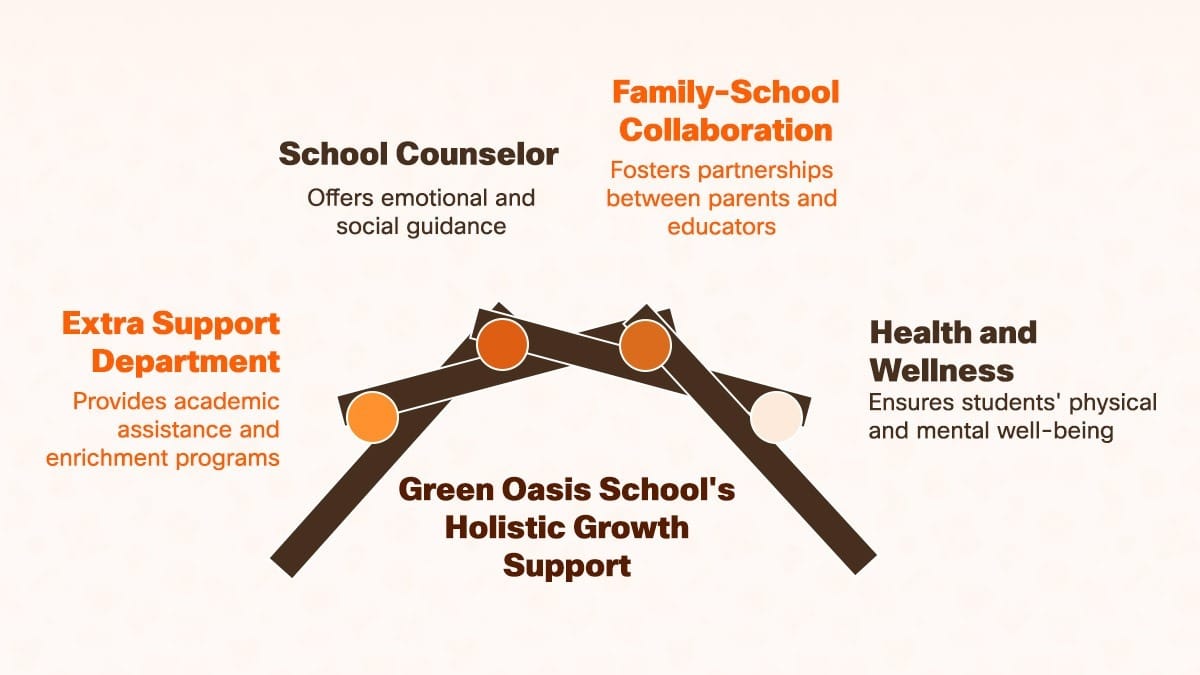
Support at Green Oasis School goes far beyond the classroom. A trained special education teacher leads the Extra Support Department. The team helps students who need academic help in English or Chinese. They also run programs for gifted students. Every student receives support, or teachers leave them without a challenge if they are ahead.
The school has a counselor trained in several care methods. The counselor helps students through life changes, interpersonal challenges, and stress. For children who've moved countries, this support is invaluable.
Family-school collaboration is part of how the schools work. The Parent-Teacher Association (PTA) has active global representation. Parents from Korea, the UK, the US, and beyond all have a say. The PTA runs parent workshops and information sessions each year. You'll walk away with practical home-support strategies for your child. You'll also meet other parents who share your experiences.
WeChat parent groups keep you connected day-to-day. You'll get advice on school life and local services from other parents. The school also runs a liaison service for new families. A staff member helps you with enrollment forms, banking, and healthcare. This focus on collaborative child development isn't a slogan here. It's how the school runs.
The school has a clear health insurance policy. There's a medical room on campus for basic care. A counseling room is on-site for student welfare. Shenzhen Children's Hospital and Peking University Shenzhen Hospital are both nearby. The school is welcoming to families in every sense.
Green Oasis School Experiences That Prepare Students for the World
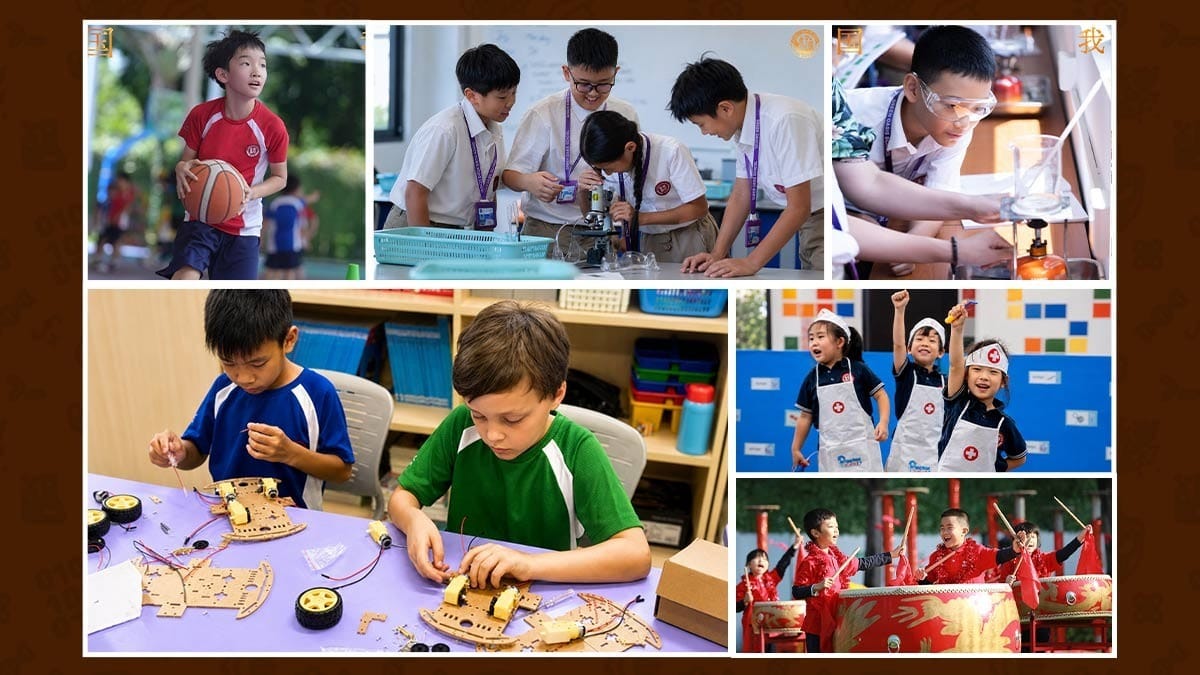
School is more than lessons. Green Oasis School knows that. The extracurricular program is wide enough to stretch every child. Sports. Music. Debate. Adventure. There's a place for every kind of student here, with the school pushing everyone to try new things.
Students can join the chess club, Model United Nations, orchestras, drama groups, and climbing clubs. The school is a member of the Shenzhen International Schools Athletic Conference (SISAC). This allows for regular sports matches against other international schools in the area. These competitions teach students to win and lose with grace.
Older students can take part in the Duke of Edinburgh's International Award. The award builds grit, service, and leadership through real tasks. Universities around the world know and respect it.
The arts are strong here. Students have performed at the Mass Arts Theater and Dalang Culture Center. The school works with a lion dance troupe and the Workers Youth Choir. Student performances go beyond school walls. They link students to Shenzhen's local community and culture.
Field trips bring lessons to life. Students have been to a watch factory, a digital fabric printing studio, and a clothing design showroom. They've walked through Shenzhen's electronics market. Each trip ties back to the classroom.
Cultural exchanges are a regular part of school life. The school marks Chinese festivals like Spring Festival and Mid-Autumn Festival. Western festivals are also on the calendar. Parents come in for the dim sum brunch and other community events. Intercultural understanding grows in a natural way here. Students do more than read about other cultures. They live them side by side every day.
The school sits in the heart of Futian District, Shenzhen City. Students live in one of China's fastest-moving cities. That context shapes how they see the world.
A school bus network covers Futian and nearby areas. Annual school bus fees are:
- ¥5,000 for shorter routes
- ¥8,000 for longer routes
Buses have GPS tracking and supervised boarding. This service is safe and simple for working parents.
Conclusion
Green Oasis School gives children the tools to grow. Small classes, strong bilingual teaching, and real student care make the school stand out. The UK National Curriculum in primary school leads into Cambridge International in secondary. Students leave Year 9 ready for top high schools. Shenzhen College of International Education—one of the world's best A-Level schools—is the main goal for many. The school has a clear track record of getting students there.
The Year 1 acceptance rate is around 5%. Early preparation is essential. Start the search well before you need to.
Finding the right school in China is easier with the right guide. Alifa Education Services supports families across Southeast Asia and India — from school search to final offer. Book your free consultation today and take the first step together.
Related Articles
 Emmanuel Usang
 Emmanuel Usang
 Emmanuel Usang


Member comments