

Introduction
International schools in China change how families see education. They reshape views in Asia's busy markets. More than 50,000 students are now enrolled in Beijing, Shanghai, Shenzhen, Guangzhou, and Chengdu. These schools offer a true path to global universities. Traditional systems can't match that.
Here's what makes them stand out. Most top-tier schools follow the International Baccalaureate framework, and for good reason. IB World Schools give parents what they want. They provide strong academics. They also focus on real-world problem-solving. The IB curriculum focuses on critical thinking. It does not rely on memorization. This helps your child get ready for exams. It also builds skills that universities value.
Many schools are now IB Continuum Schools. This means students can follow IB pathways from ages 3 to 18. This continuity matters. It keeps teaching methods the same. This reduces stress when switching systems.
The numbers tell a compelling story. Students from China's top international schools often go to big global universities. They have a placement rate of 70-90%. This includes Harvard, Oxford, and Tsinghua. IB average scores hover around 36-38 (compared to the global average of 30). That's not coincidence; it's deliberate curriculum design.
Beyond academics, these schools invest heavily in facilities. Think Olympic pools, innovation labs, and 40-acre campuses. Class sizes stay intimate—typically 15-25 students—so your child gets genuine attention.
What you'll gain from this article:
- A clear understanding of why International Baccalaureate programs dominate China's elite schools
- Concrete data on university placements and IB performance metrics
- Practical insights into selecting the right school for your child's learning style
- Real tuition ranges and facility standards across five major cities
Why Choose International Schools in China?
China's international schools offer what the gaokao doesn't. They give easy paths to global universities. They also have nice facilities for expat families. Students get placed in top-100 universities 70-90% of the time. Premium campuses have Olympic pools. They also have innovation labs and big grounds. Demand is surging 15% annually, and for good reason.
The Real Advantage
You're not just paying for a classroom. Major education groups, like Nord Anglia, have many campuses in China’s top cities. This helps them offer consistency and resources. Independent schools often can’t keep up. These networks invest heavily in teacher development and campus infrastructure.
Bilingual Programs That Actually Work
About 55% of top schools have bilingual programs. They teach Mandarin. They use English for instruction. Your child becomes fluent in both languages while mastering international curricula. That's a competitive edge.
Who's Teaching Your Kid
Quality matters here. Schools hire international teachers with degrees from universities like Cambridge, Stanford, and Melbourne. Teacher qualifications include strict checks. They often need a master's degree. Most need years of experience overseas. The teacher-to-student ratio usually ranges from 1:15 to 1:25. This ensures that each classroom receives real attention.
What's Changing in 2026
Technology integration accelerates. The school uses AI to personalize learning. It teaches sustainability and uses a mix of in-person and online classes. These methods are becoming common. Schools aren't just adapting; they're leading educational innovation across Asia.
Top 5 Cities for International Schools In China
China has five main hubs for international schools. These places have many expats. They also invest a lot in education. These cities stand out. They offer good jobs, strong schools, and helpful networks for families moving in.
Beijing: China's Education Capital
Beijing is at the top of China’s international schools. There are more than 20 top schools here. They offer strong paths to universities. Admission is tough. Students need to apply early.
International School of Beijing (ISB)
History & Overview
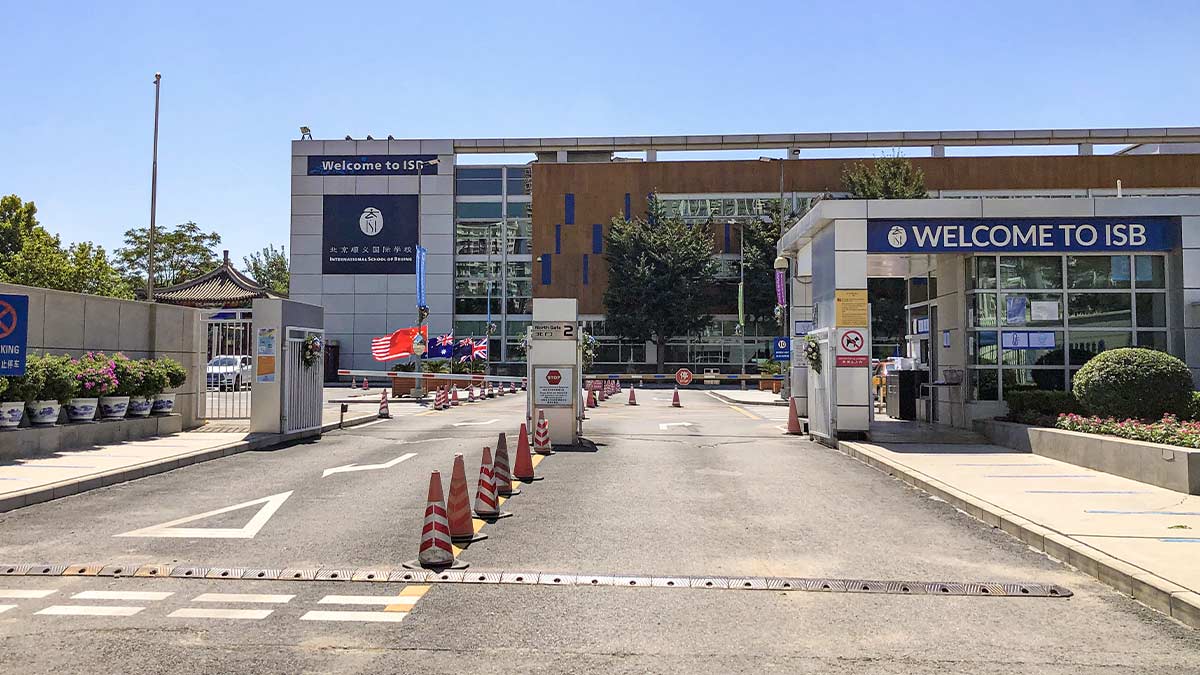
The International School of Beijing (ISB) was founded in 1980. It is one of Asia's oldest and most respected international schools. Located on a 40-acre campus in Shunyi, it has educated expat families for thirty years. It is a model for holistic education in China.
Class Size & Student Body
1,700 students from PK to 12th grade. Each class has 18 to 22 students, which allows for personalized attention.
Facilities
A 40-acre eco-friendly campus. It has two theaters. There are innovation labs, an Olympic-sized pool, sports complexes, and maker spaces. Post-COVID upgrades include hybrid learning studios.
Curriculum & Languages
Full IB continuum (PYP, MYP, DP). English-medium instruction with Mandarin Chinese as a second language from PK onwards.
University Outcomes
90% to Top-100 global universities; IB average: 36 (global average: 30). Strong Ivy League pipeline.
International School of Beijing Tuition Fees:
- Non-refundable Application Fee: RMB 2,800.
- One-time Entry Tuition Fee: RMB 18,000.
| Annual Fees | Tuition Fee (RMB) |
|---|---|
| Early Years (EY2) Half Day | 155,800 |
| Early Years (EY2) Full Day | 247,800 |
| Early Years (EY3) | 251,800 |
| Early Years (EY4) | 251,800 |
| Kindergarten (KG) | 291,800 |
| Grade 1 | 301,800 |
| Grade 2 | 301,800 |
| Grade 3 – Grade 5 | 311,800 |
| Grade 6 – Grade 8 | 331,800 |
| Grade 9 – Grade 10 | 351,800 |
| Grade 11 – Grade 12 | 361,800 |
ISB offers an optional door-to-door bus service for the 2026–2027 school year. Annual fees range from RMB 16,800 to RMB 27,300, depending on how far your home is from school.
Western Academy of Beijing (WAB)
History & Overview
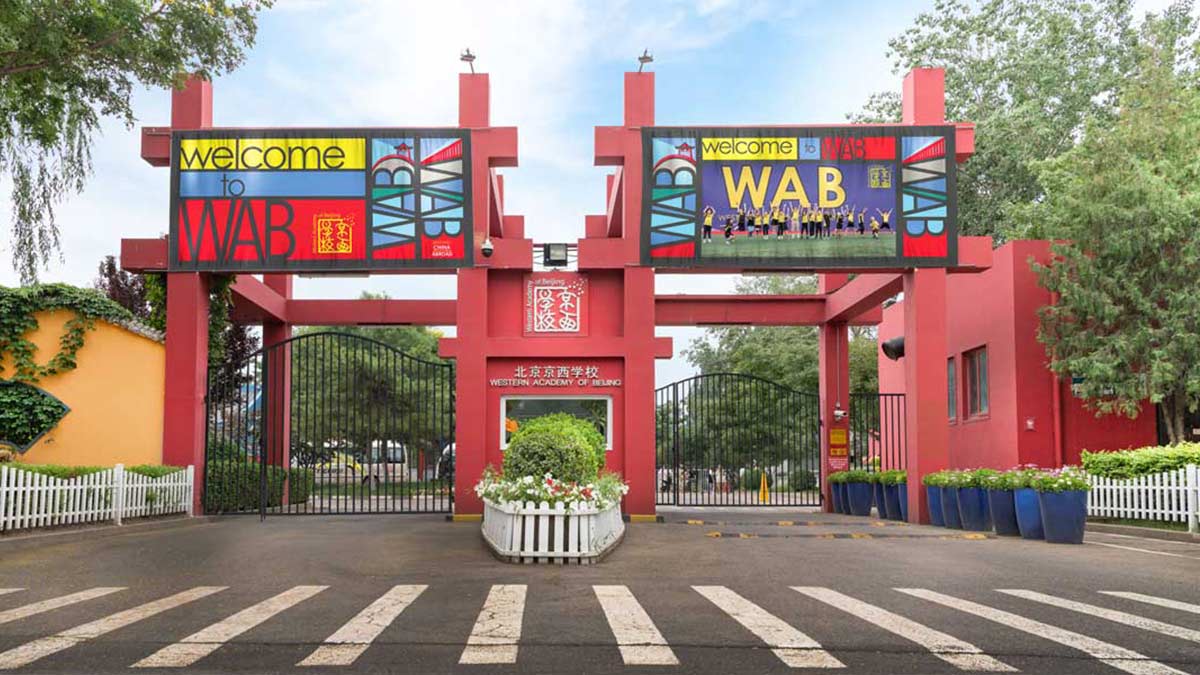
Founded in 1987, Western Academy of Beijing (WAB) is known for strong academics and a commitment to the environment. The Chaoyang campus is modern and eco-friendly. It appeals to expat families who care about the environment.
Class Size & Student Body
1,600 students across PK–12; average class size of 18–20 students.
Facilities
Eco-designed campus. It has modern science and innovation labs. There’s an Olympic-size pool and a performance theater. The buildings also have green certifications. Strong emphasis on outdoor learning spaces.
Curriculum & Languages
Full IB continuum (PYP, MYP, DP). English-medium with Mandarin Chinese integrated across all levels.
University Outcomes
85% to top-50 global universities; IB average: 37. Consistent placements at Russell Group and Ivy League institutions.
Western Academy of Beijing (WAB) Tuition Fees:
- Early Years (Ages 3–4, Half Day): RMB 148,000
- Early Years (Ages 3–4, Full Day): RMB 249,000
- Junior Grade 1 – Senior Grade 1: RMB 296,000
- Grades 2–5: RMB 317,400
- Middle School (Grades 6–8): RMB 336,800
- High School (Grades 9–10): RMB 370,800
- High School (Grades 11–12): RMB 380,500
Note: A non-refundable application fee of RMB 2,100 is required per applicant, regardless of the admissions outcome.
Beijing Keystone Academy
History & Overview
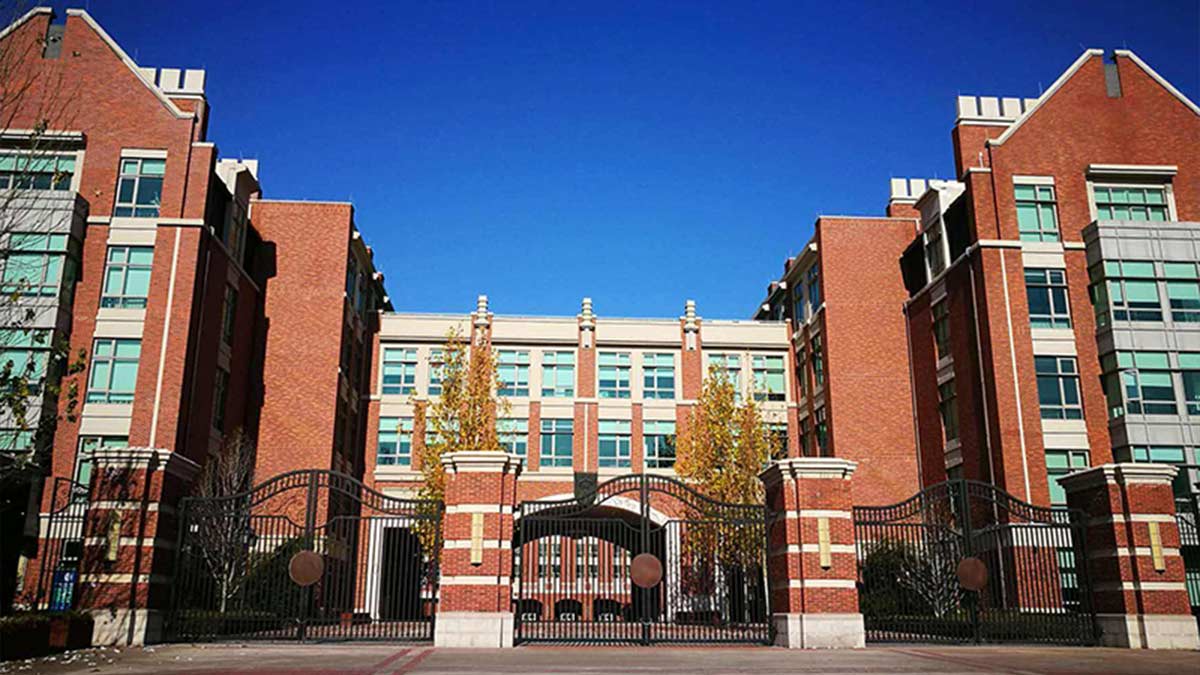
Founded in 2010, Beijing Keystone Academy is Beijing's newest flagship bilingual school, designed specifically for families seeking a hybrid IB/AP approach. Located in Shunyi, it blends Western pedagogies with Chinese cultural immersion—appealing to both expat and affluent local families.
Class Size & Student Body
2,000 students across K–12; average class size of 18–22 students. Strong balance of international and local Chinese families (60/40 split).
Facilities
Modern 30-acre campus with innovation labs, maker spaces, a performance center, an Olympic pool, and sustainability-focused design. Includes dedicated bilingual learning zones and AI-integrated classrooms.
Curriculum & Languages
Bilingual IB/AP hybrid: students pursue IB in humanities and AP in STEM, maximizing strengths. Mandarin Chinese taught at advanced levels; English-medium core instruction.
University Outcomes
80% to Ivy League and top-20 Asian universities (including Tsinghua, Peking University); IB average: 35.5; AP average: 3.8/5.0.
Beijing Keystone Academy Tuition Fees:
- Primary School: RMB 289,800
- Middle School: RMB 320,850
- High School: RMB 323,950
Starting in Grade 9, all students are required to board on campus. Boarding and meal fees are RMB 110,250 per academic year.
Beijing Aidi School
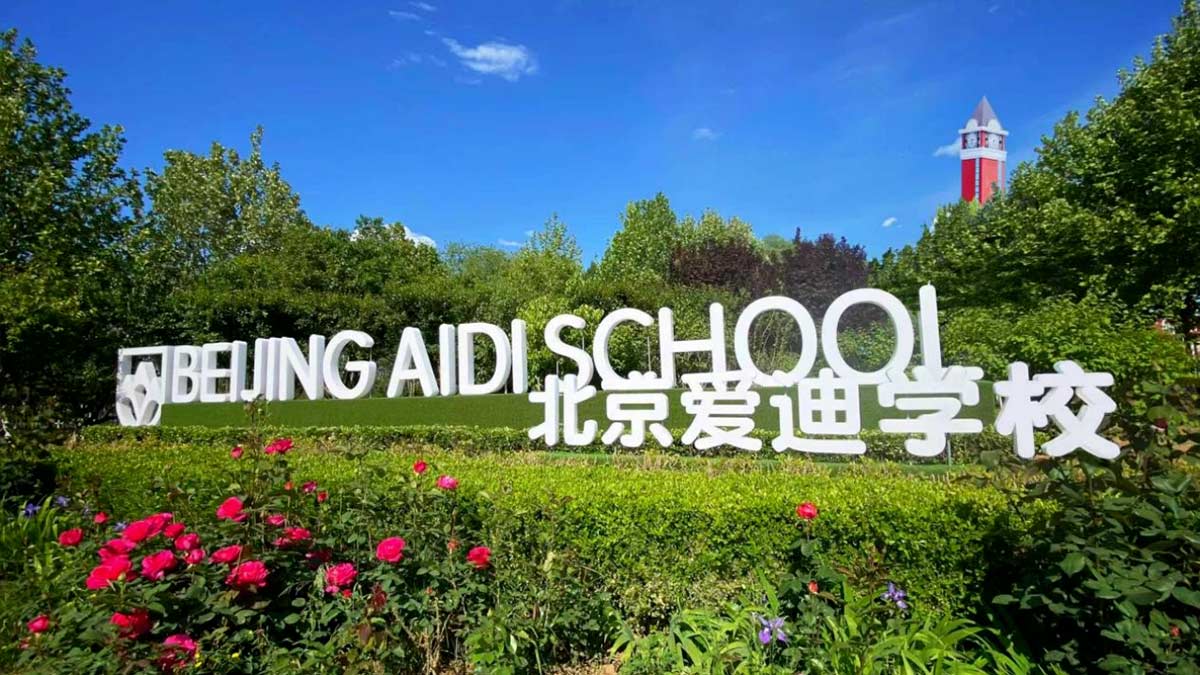
History & Overview
Beijing Aidi School (AIDI School) started in 1999 in the Chaoyang District. It was one of the first private international schools in the city. AIDI was set up by the Australian Education Development Group. The Australian government recognizes it. Now, AIDI is a big international education park. It serves students aged 3 to 18. AIDI School has placed over 11,000 graduates at more than 100 top universities around the world. It is a trusted leader in global university preparation in China.
Class Size & Student Body
AIDI School welcomes around 3,000 students in its K–12 programs. This includes both Chinese and international students. The school has a teacher-to-student ratio of about 1:4. This allows for very personalized academic support. It draws families looking for flexible curriculums. They want bilingual education. They also seek clear paths to universities in the UK, US, Australia, and more.
Facilities
AIDI School's campus is in Chaoyang District. It has many great facilities. These are:
- Sports fields, a swimming pool, a fitness centre, and a golf range
- Science and computer labs, and an e-library
- Music theater and large auditorium
- Residential dormitories with health services and daily support
- Digital learning spaces for robotics, AI, and 3D printing
Curriculum & Languages
AIDI School has a very diverse curriculum. It is one of the best among international schools in China. The school offers A-Level (UK), AP (USA), WACE (Australia), BTEC (Arts), and the Hong Kong DSE pathway. A bilingual high school track also supports students preparing for the Gaokao. English is the main language of instruction. There are over 54 elective courses in arts, sports, and technology.
University Outcomes
AIDI School has a great placement record. More than 95% of graduates join QS World Top 100 universities. Also, 75% get into QS Top 50 institutions. The school has received ongoing offers from Oxford and Cambridge for six years. It also has strong placements in the UK G5, US Ivy League, and Australia's Group of Eight. Total scholarships awarded exceed USD 2.65 million.
Beijing Aidi School Tuition Fees
- Kindergarten – Grade 12: CNY 150,000 – 250,000
- Short-Term Immersive English Program (Ages 12–18): CNY 4,000 per week
Note: Additional costs for uniforms, meals, textbooks, and on-campus accommodation apply. A non-refundable application fee and enrollment deposit are required for all new students.
Shanghai: Global Finance Hub's Education Elite
Shanghai has more than 15 top schools in key areas. They have high tuition fees. Students earn IB averages of 37-39. Also, 80% of students go to top-50 universities worldwide.
Shanghai American School (SAS)
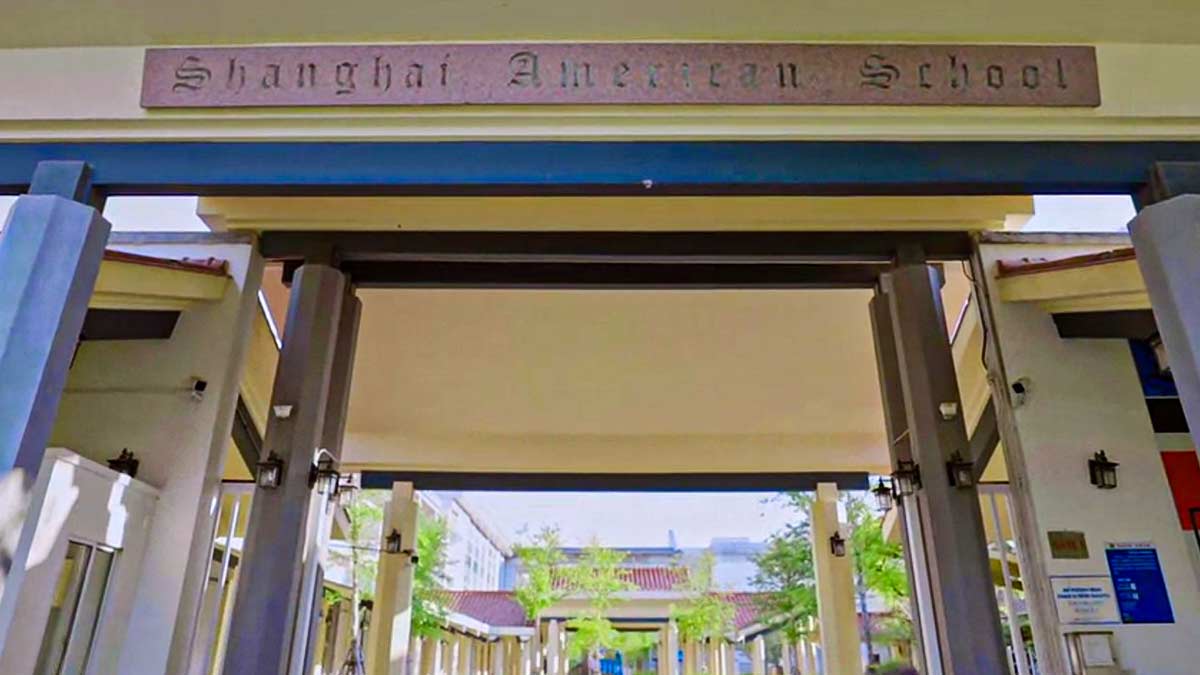
History & Overview
Founded in 1912, Shanghai American School (SAS) is Shanghai's oldest international school. It also leads in American curriculum in Asia. The Puxi campus shows over a century of educational excellence. It has served generations of expat families with strong ties to the city.
Class Size & Student Body
2,100 students across PK–12; average class size of 18–22 students. Predominantly American and Western expat families (70%); 30% affluent local Chinese.
Facilities
Historic 40-acre Puxi campus with modern upgrades: two performance theaters, an Olympic pool, innovation labs, maker spaces, and extensive sports complexes. Post-COVID hybrid learning studios integrated throughout.
Curriculum & Languages
- American curriculum focused on AP.
- English is the main language of instruction.
- Mandarin Chinese is taught as a second language starting from pre-kindergarten.
University Outcomes
88% to Top-50 global universities; AP average: 3.9/5.0. Strong Ivy League and UC pipeline; consistent Stanford, MIT, and Princeton placements.
Shanghai American School (SAS) Tuition Fees
- Application fee: RMB 2,800
- Transportation Fee: RMB 12,150 (per semester)
| Division | Grade | Non-Refundable Enrollment Fee | Annual Tuition Fees | Entry Fee (new student) |
|---|---|---|---|---|
| Pre-Kindergarten | Pre-Kindergarten | 32,000 | 246,000 | 28,000 |
| Elementary School | Kindergarten to Grade 4 | 32,000 | 285,800 | 28,000 |
| Elementary School | Grade 5 | 32,000 | 290,300 | 28,000 |
| Middle School | Grade 6 to 8 | 32,000 | 301,600 | 33,000 |
| High School | Grade 9 to 12 | 32,000 | 311,000 | 33,000 |
All payments must include the student's name and ID number and can be made via any of the following methods:
- Wire transfer to the school's bank account in RMB or USD
- Debit or credit card payment directly to the school's bank account in RMB or USD
- Cash deposit directly to the school's bank account in RMB
Shanghai Community International School (SCIS)
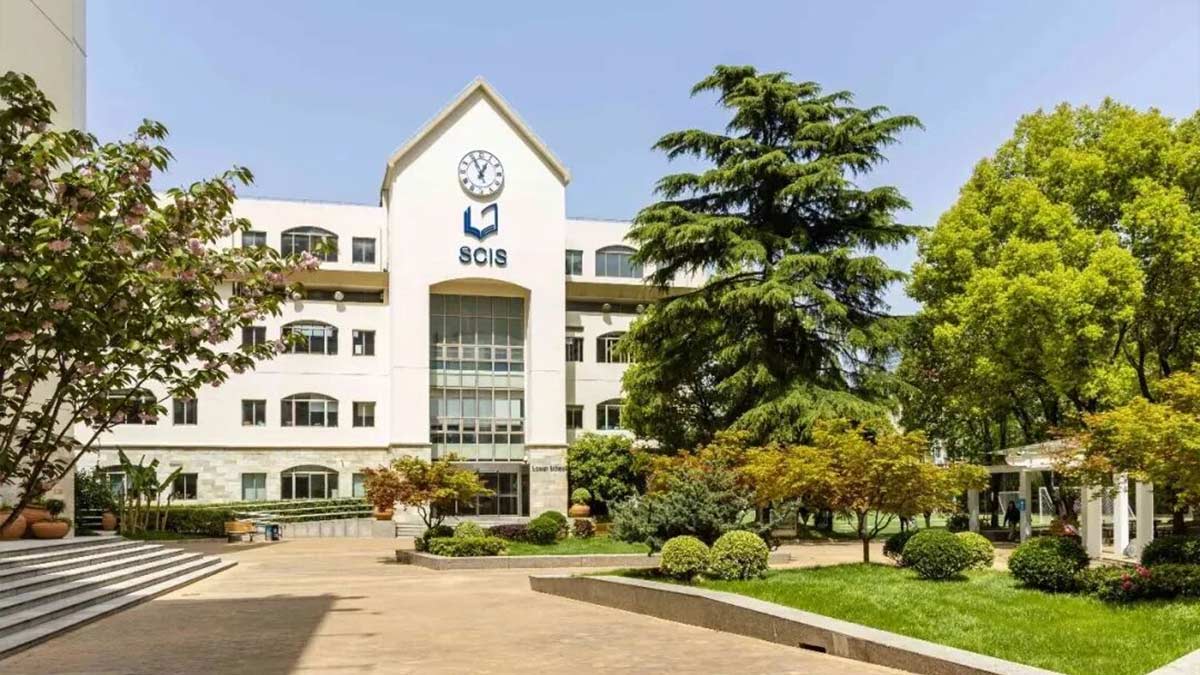
History & Overview
Shanghai Community International School (SCIS) started in 1996. It is a non-profit school in Changning District, Shanghai. SCIS serves students aged 3 to 18. SCIS has a strong reputation. It has been around for nearly thirty years. The school focuses on academic rigor and bilingual immersion. It also nurtures graduates who are globally minded and culturally aware.
Class Size & Student Body
SCIS has three campuses. Two are in Hongqiao, and one is in Pudong. It serves a mix of expatriates and international students. Small class sizes help teachers and students connect closely. They focus on personalized learning. Support is available for all year groups.
Facilities
SCIS's three purpose-built campuses feature a wide range of world-class facilities, including:
- 6-lane, 25-meter swimming pools
- 700-seat two-story auditoriums and a 10,000 sq ft Black Box theatre
- Science, computer, and audio-visual media labs
- Indoor basketball courts, rock climbing walls, and strength and conditioning rooms
- Art studios, dance halls, and an art gallery
- All-weather outdoor soccer pitches and outdoor jungle gym playgrounds
- A centralized state-of-the-art indoor air filtration system across all campuses
Curriculum & Languages
SCIS is an authorized IB Continuum World School. It offers the PYP for Nursery to Grade 5, the MYP for Grades 6 to 10, and the Diploma Programme for Grades 11 to 12. English is the main language of instruction. Mandarin Chinese is also included at all levels. This approach helps students become truly bilingual and bicultural.
University Outcomes
SCIS graduates often get into top universities. These include schools in the US, UK, Canada, Australia, and Asia. Notable names are Oxford, Cambridge, the University of Toronto, and UC Berkeley. Strong IB and AP results help. University counseling gets students ready for global admissions.
Shanghai Community International School (SCIS) Fees
| Grade | Annual (RMB) | Semester (RMB) |
|---|---|---|
| Nursery / Pre-school (half-day) | 156,500 | 83,250 |
| Nursery / PS / PK (full-day) | 206,000 | 108,000 |
| Kindergarten – Grade 5 | 303,500 | 156,750 |
| Grades 6–12 | 335,500 | 172,750 |
| Grade | Annual (RMB) | Semester (RMB) |
|---|---|---|
| Pre-school (half-day) | 152,500 | 81,250 |
| Nursery / PS / PK (full-day) | 200,500 | 105,250 |
| Kindergarten – Grade 5 | 289,000 | 149,500 |
| Grades 6–12 | 322,500 | 166,250 |
YK Pao School
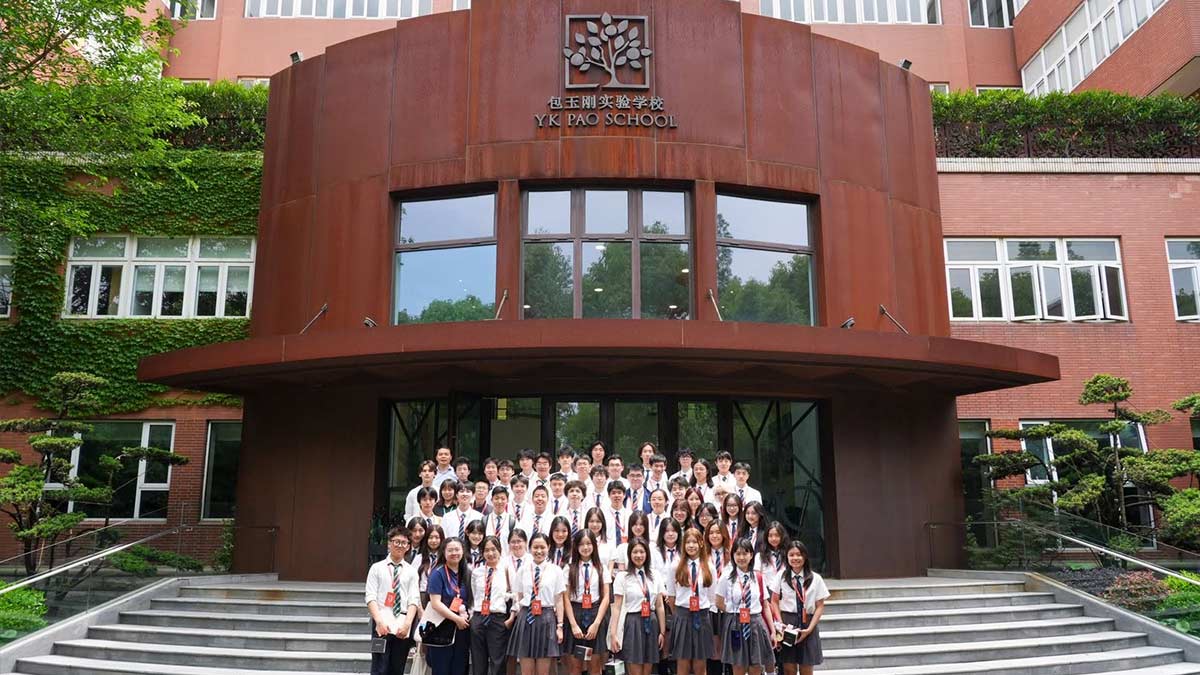
History & Overview
YK Pao School Shanghai is the gold standard. It has held Hurun's No. 1 ranking for seven years in a row. Founded in 2007, it represents excellence focused on results. It boasts an unmatched Ivy League placement rate. Situated in Pudong's top real estate, it caters to Shanghai's elite families. This school is the most selective in China, with an acceptance rate of around 8%.
Class Size & Student Body
1,100 students across PK–12; intimate class sizes of 12–16 students. Extremely selective admissions process; predominantly ultra-high-net-worth families and diplomatic corps.
Facilities
The luxury 20-acre campus in Pudong has:
- Olympic-level sports facilities
- Modern innovation labs
- Performance spaces like concert halls
- Great boarding options
Dedicated university counseling center with Ivy League admission specialists.
Curriculum & Languages
Full IB continuum (PYP, MYP, DP) with AP electives in STEM. English-primary instruction with Mandarin Chinese as a heritage language.
University Outcomes
- 94% to top-50 global universities
- 70% Ivy League placement
- IB average: 39 (highest in Shanghai)
Consistent Harvard, Yale, Princeton, Stanford, and Oxford/Cambridge admissions. Strong medical school
YK Pao School Tuition Fees
| Level | Tuition Fees (RMB) | Boarding Fees – 5-Day (RMB) |
|---|---|---|
| Primary (Years 1–5) | 84,000 | — |
| Middle School (Years 6–8) | 95,000 | 9,800 |
| High School (Year 9) | 95,000 | 13,800 |
| High School (Years 10–12) | 108,000 | 13,800 |
Shenzhen: China's Innovation Hub Education
Shenzhen has more than 10 top international schools. They are in important areas like Nanshan and Futian. Students benefit from world-class IB and American curriculum programs. Over 75% of graduates gain admission to top-100 universities globally.
BASIS International School Shenzhen
History & Overview
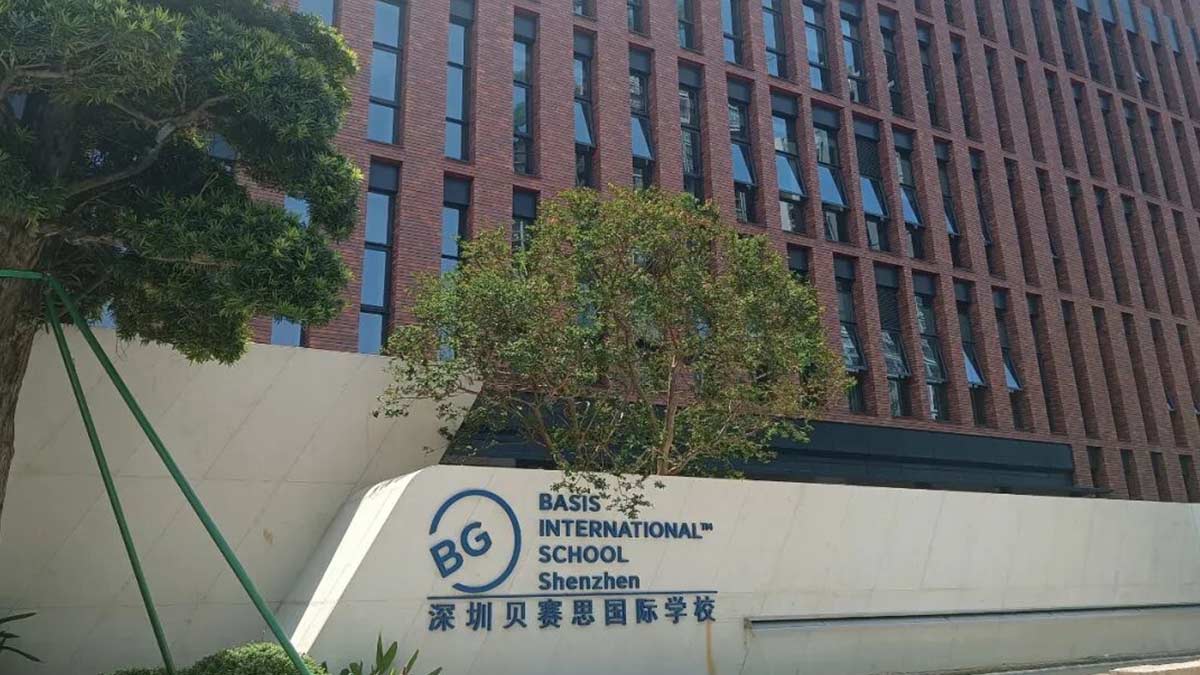
BASIS International School Shenzhen began in 2015. It is in Nanshan District. This was the first BASIS school outside the United States. The school is approved by the Guangdong Province Department of Education. It is accredited by AdvancED. The school accepts foreign passport holders. It also welcomes students from Hong Kong, Macau, and Taiwan. The school offers Pre-K to grade 12 classes. BASIS Shenzhen follows the motto "Excellence in Education, Leadership for Life." It is now a top school in southern China.
Class Size & Student Body
BASIS Shenzhen accepts students aged 3 to 18 who show strong academic potential. The average class size is about 18 students. The school draws families looking for a fast way to top universities, especially in the US. The teachers are experts in their subjects. They give strong knowledge and personal support.
Facilities
BASIS Shenzhen's campus is in Shekou Net Valley, Nanshan District. It has facilities that help with its strong academic program. These include:
- Advanced science and computer laboratories
- Robotics, AI, and coding spaces
- Arts and drama studios
- Student council and community engagement spaces
- College counseling center for university preparation
Curriculum & Languages
BASIS Shenzhen uses the BASIS Curriculum. It is fast. Students study math, science, and humanities at an advanced grade level. The upper school maintains rigorous academic requirements through its extensive Advanced Placement program. It offers many AP courses, including calculus, physics, chemistry, history, and literature. Many students want to earn the AP Capstone Diploma. Mandarin is offered throughout to support bilingual development and cultural awareness.
University Outcomes
BASIS Shenzhen graduates have a strong record of admission to top global universities. Many go to Ivy League schools, MIT, and Stanford. AP prep helps students. Advanced classes boost their chances. College counseling gives an edge. This matters for STEM, economics, and liberal arts.
BASIS International School Shenzhen Fees
- Pre-Kindergarten: RMB 272,080
- Kindergarten: RMB 290,670
- Grades 1–5: RMB 314,710
- Grades 6–8: RMB 322,360
- Grades 9–12: RMB 336,560
Note: Tuition applies to foreign passport holders and residents from Hong Kong, Macau, and Taiwan. Scholarship programs are available for exceptional Grade 9 applicants, with full scholarships valued at over RMB 1 million.
Harrow International School Shenzhen (Harrow Shenzhen)
History & Overview
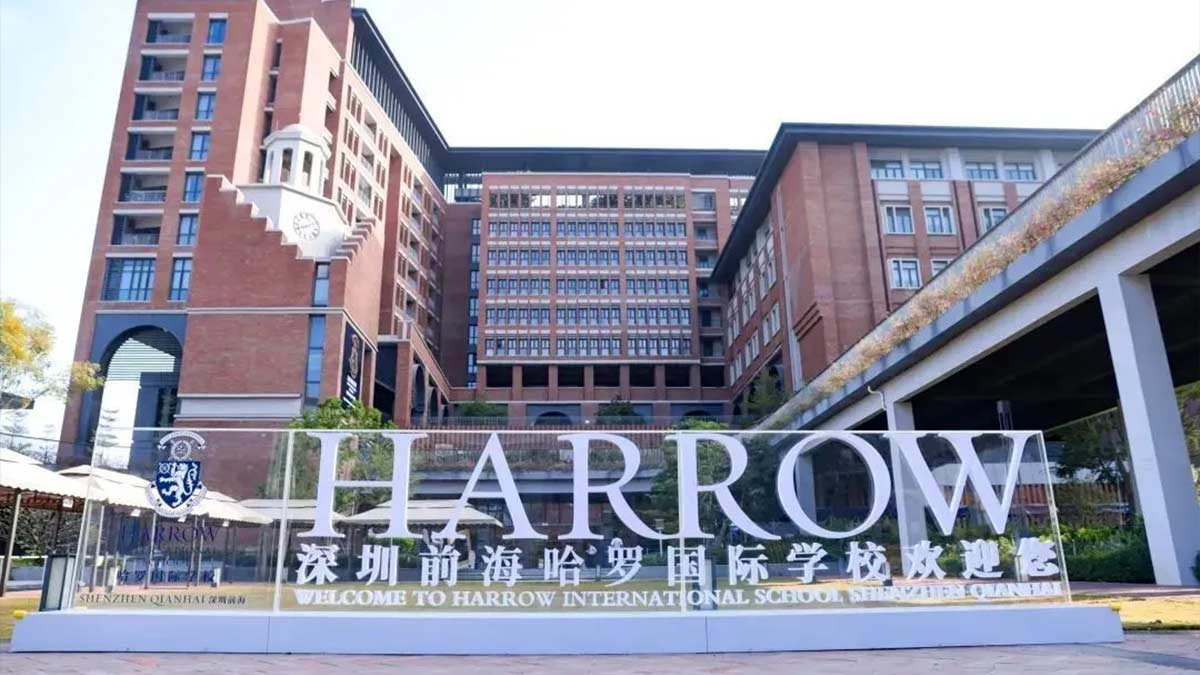
Harrow International School Shenzhen started in 2020. It is in the Qianhai Cooperation Zone. This is the first Harrow campus in southern China. Harrow International Schools is part of a famous network. It takes inspiration from Harrow School in the UK, which has a history of over 450 years. The school educates students from pre-nursery to Year 13. Harrow Shenzhen’s motto is "Leadership for a Better World." It mixes British tradition with modern learning.
Class Size & Student Body
Harrow Shenzhen can host more than 800 students aged 2 to 18. It mainly serves children of foreign staff and families with a global outlook. The school has low student-to-teacher ratios. This helps with personal learning. It also has a strong house and pastoral system. Every student gets mentoring and well-being support during their studies.
Facilities
Harrow Shenzhen's campus is 14,700 sqm. It is in the Qianhai Cooperation Zone. The campus has many top facilities, including:
- Sports and outdoor education areas for rugby, cricket, and swimming
- Library and collaborative breakout spaces
- Canteens and lecture halls
- Music, drama, and arts studios
- Boarding accommodation with structured residential support
Curriculum & Languages
Harrow Shenzhen follows the UK National Curriculum. The Early Years are guided by the EYFS framework. Students progress through IGCSE in Years 10 and 11. They usually sit for 8 to 10 subjects. After that, they move to A-Level programs in the Sixth Form, choosing 3 to 4 subjects. The Extended Project Qualification develops independent research skills. The school includes Mandarin in all classes to help students learn two languages and understand different cultures.
University Outcomes
Harrow Shenzhen graduates get offers from top universities. These are in the UK, Europe, North America, Australia, and Asia. Notable destinations are Oxford and Cambridge. There’s also Imperial College London. The universities of Edinburgh, Melbourne, and Hong Kong are included too. IGCSE and A-Level results are strong. Counseling helps students get ready for university.
Harrow International School Shenzhen School Fees
| Year Group | Annual Fee (RMB) | Term 1 (RMB) | Terms 2 & 3 (RMB) |
|---|---|---|---|
| Pre-Nursery | 291,400 | 116,560 | 87,420 each |
| Nursery / Reception | 301,300 | 120,520 | 90,390 each |
| Years 1–4 | 342,100 | 136,840 | 102,630 each |
| Years 5–6 | 346,800 | 138,720 | 104,040 each |
| Years 7–8 | 356,800 | 142,720 | 107,040 each |
| Years 9–13 | 360,300 | 144,120 | 108,090 each |
International School of Nanshan Shenzhen
History & Overview
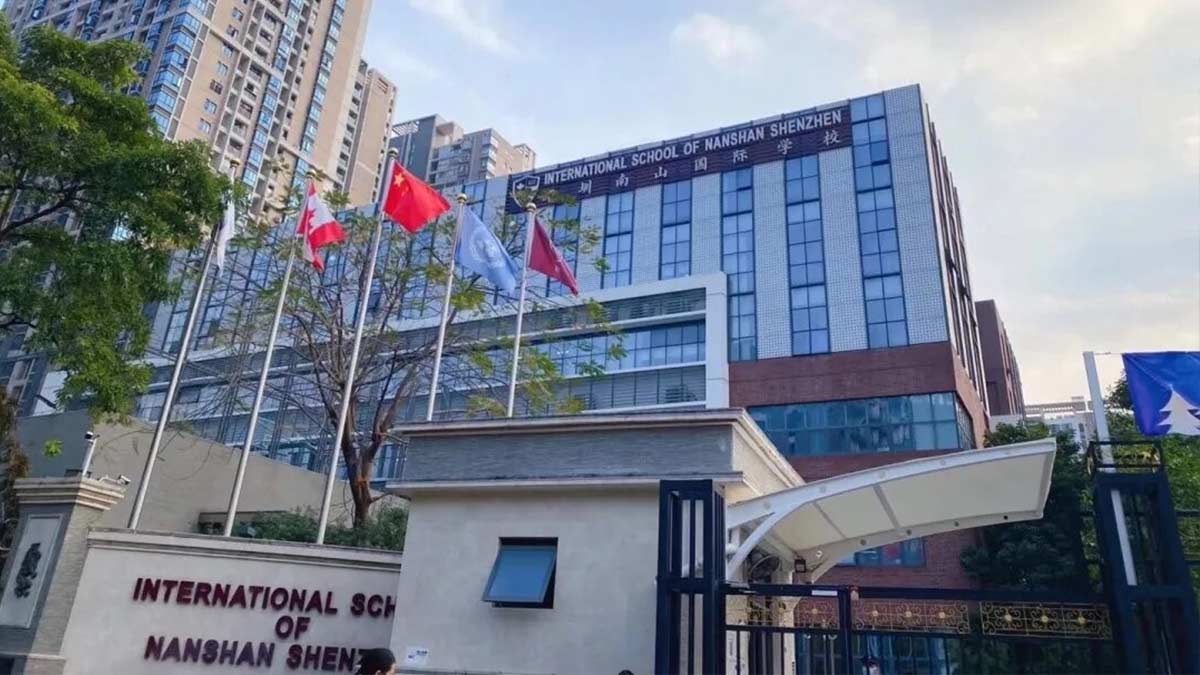
The International School of Nanshan Shenzhen (ISNS) was founded in 2002. It is in Nanshan District. This area is well-connected. The school is for students from pre-nursery to grade 12. It offers international curricula. This is for children of foreign staff and eligible families. For over 20 years, ISNS has earned a solid reputation. It is a stable, global institution. It offers clear paths to top universities around the world.
Class Size & Student Body
ISNS has small classes with about 20 students. This lets teachers help each learner individually. The school welcomes children from foreign staff. It also accepts kids from international families. They must be aged 3 to 17. A mentorship system includes subject mentors and homeroom advisors. College counselors are also part of it. They help students at every step.
Facilities
ISNS's campus in Nanshan District has many spaces for learning and enrichment. These include:
- Robotics, coding, and applied research labs
- Orchestra, drama, and arts studios
- Debate and Model United Nations spaces
- Sustainability and community service facilities
- College counseling center for university preparation
Curriculum & Languages
ISNS runs a full IB continuum—PYP in primary, MYP in middle school, and the IB Diploma Programme in high school. Students can pick AP courses or Cambridge A-Level options. This choice gives them flexibility. They can shape their academic path. English is the main language for teaching. Mandarin Chinese is also used to help students become truly bilingual.
University Outcomes
ISNS graduates often gain admission to Global Top 100 universities. Many secure spots at top 30 schools in North America, Europe, and Asia. IB, AP, and A-Level scores are always higher than global averages. This shows that the school’s academic prep and university counseling really work.
International School of Nanshan Shenzhen Fees
| Grade Level | Tuition & Fees (RMB) | Application Fee (RMB) | Bus Service (RMB) |
|---|---|---|---|
| K2–K5 | 219,000 | 2,500 | 14,000 |
| Grades 1–5 | 249,000 | 2,500 | 14,000 |
| Grades 6–10 | 269,000 | 2,500 | 14,000 |
| Grades 11–12 | 274,000 | 2,500 | 14,000 |
Note: The application fee is a one-time, non-refundable payment for new students. Bus service is optional.
Maple Leaf International Academy Shenzhen
History & Overview
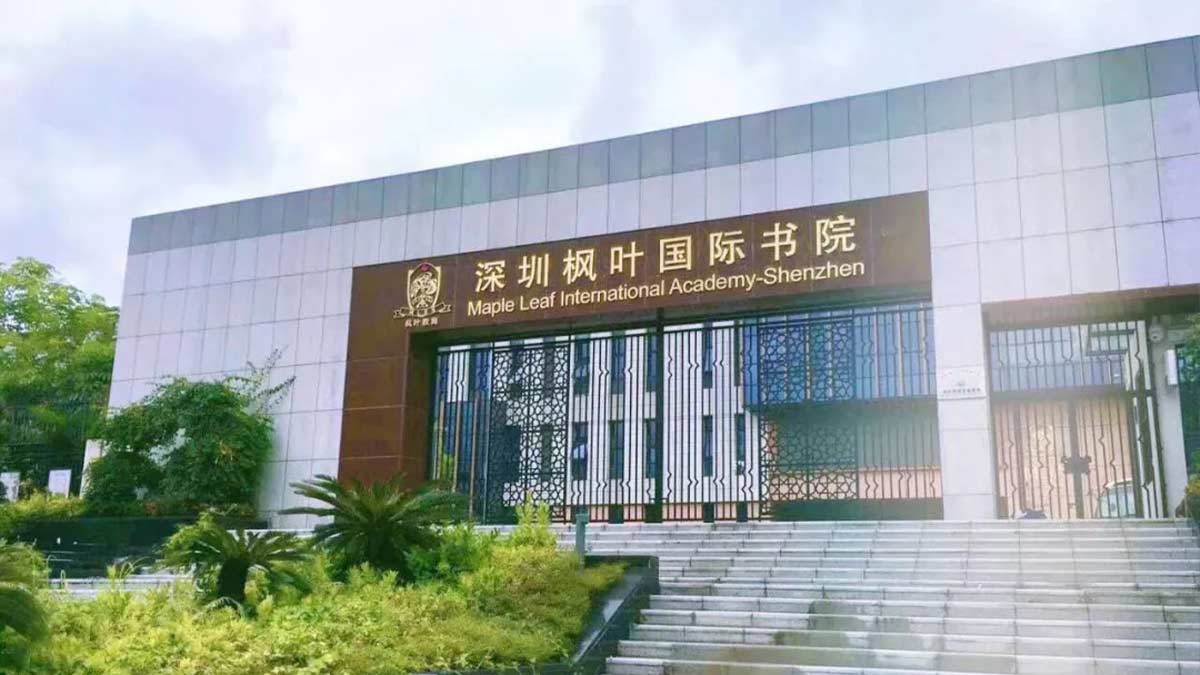
Maple Leaf International Academy Shenzhen (MLIAS) started in 2007. It's in Nanshan District, close to Shenzhen Bay. MLIAS is the first Maple Leaf campus in Shenzhen. The school is part of one of China's largest private education networks. It serves students aged 3 to 18 in K–12. MLIAS combines the BC curriculum with Chinese studies. This helps students prepare for top schools. It also boosts their cultural confidence.
Class Size & Student Body
MLIAS keeps classes small, with about 20 to 25 students. It also has a great teacher-to-student ratio of 1:5. Students aged 3 to 17 can succeed here. They have academic promise. They are ready for bilingual learning. They will feel at home. British Columbia-certified teachers, Chinese advisors, and college counselors work as a team. They help each student grow at every stage.
Facilities
MLIAS's campus in Nanshan District is green and welcoming. It offers a global learning space. The facilities help with both studies and personal growth, including:
- Robotics, coding, and STEM research labs
- Music, visual arts, and performance spaces
- Sports and athletics facilities
- Student leadership and cultural exchange spaces
- College counseling center for university preparation
Curriculum & Languages
MLIAS runs a dual Sino-Canadian framework across all levels. Primary students follow the BC Primary Program alongside Chinese curriculum basics. Middle school builds on this with the BC Intermediate Program. High school students complete the BC Senior Program. They earn the BC Dogwood Diploma. This diploma is recognized worldwide. AP and A-Level courses are also available. English and Mandarin are key to the program. Students take at least 12 English classes each week, with half led by native speakers.
University Outcomes
MLIAS graduates get spots at Global Top 100 universities. They have great placements at the University of British Columbia. They also have strong ties with the University of Toronto. Solid BC GPA scores, AP results, and structured college counseling open doors across Canada, the US, the UK, Australia, and beyond. What's the result? A graduating class well-equipped for competitive admissions worldwide.
2026 Tuition
Guangzhou: Southern Gateway to Global Education
Guangzhou has more than 12 well-known international schools. They cater to a large and diverse expat community. The city offers a mix of IB, British, and American programs. These are in its main districts. Graduates consistently secure placements in top universities across the UK, US, and beyond.
American International School of Guangzhou (AISG)
History & Overview
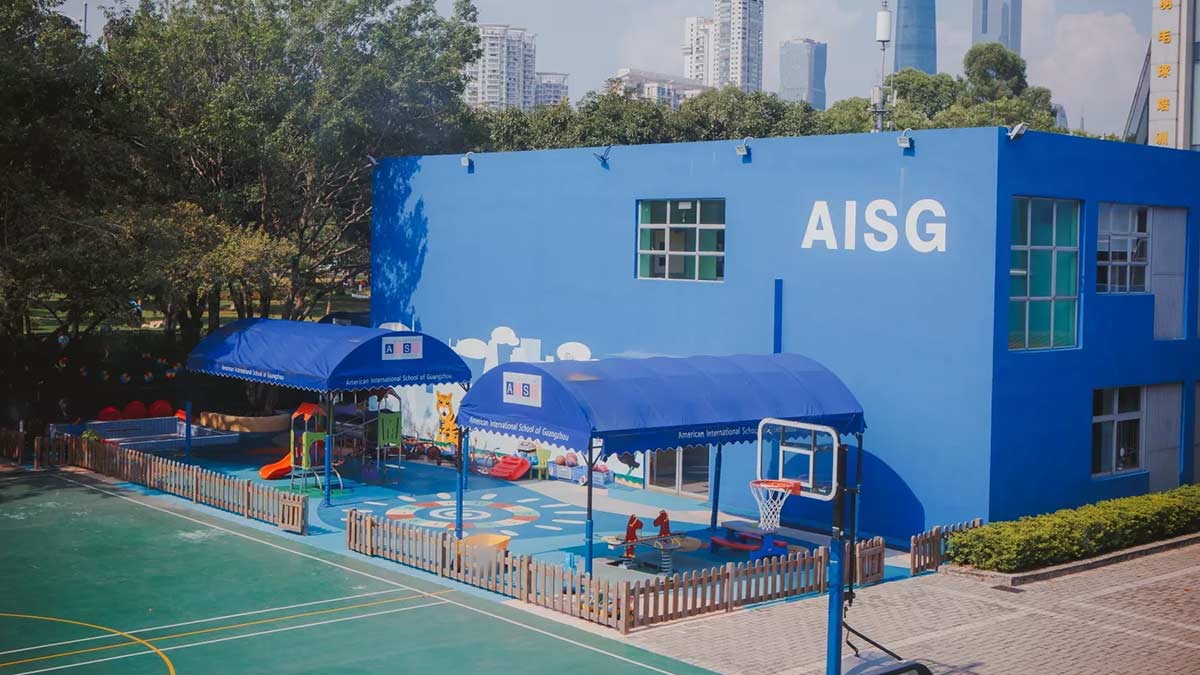
The American International School of Guangzhou (AISG) opened in 1981. It is the first international school in southern China. AISG is the oldest nonprofit school in Guangzhou. It started with just seven students from the US Consulate. Now, it’s a lively PreK–Grade 12 community. Over 1,000 students from more than 50 nationalities attend. They learn across two campuses in Zhujiang New Town, Tianhe District. AISG is the only non-profit international school in South China. Every dollar it earns goes back into its people, programs, and facilities.
Class Size & Student Body
AISG welcomes foreign national children aged 3 to 18 at its two campuses in Guangzhou. Small class sizes facilitate individualized attention from faculty. They get help from mentors. College counselors and well-being advisors are also there. On campus, there’s a multicultural community. Students come from over 50 nationalities. This helps prepare kids for a connected world.
Facilities
AISG’s two campuses in the Tianhe District offer a variety of learning and enrichment spaces, including:
- Science laboratories and computer labs
- Library and art/design studios
- Auditorium, theater, and music rooms
- Sports facilities for football, basketball, and swimming
- Robotics and engineering design spaces
Curriculum & Languages
AISG provides a multi-track academic program. It follows American Common Core standards, the full IB continuum (PYP, MYP, and DP), and AP courses. In high school, students can choose from three paths. They can take an AP pathway, the IBDP, or a blended American graduation track. Want flexibility? You've got it. Chinese language and culture are woven throughout, building local awareness alongside global thinking.
University Outcomes
AISG has great university results. The school has a 100% admission rate for overseas universities. Graduates get places at top 50 and top 100 universities worldwide. They are well-represented at Ivy League schools. Many also attend top public universities in the US. Students on global and regional tracks receive offers. They come from top schools in the UK, Canada, and Sino-foreign joint ventures.
American International School of Guangzhou Fees
- Pre-Kindergarten: RMB 229,280
- Elementary (KG – Grade 5): RMB 255,230
- Lower Secondary (Grades 6–8): RMB 264,970
- Upper Secondary (Grades 9–12): RMB 303,900
- All fees include 3% VAT
- New student application fee: RMB 2,000 (non-refundable)
- One-time enrollment fee: RMB 10,000
- Annual program fee (Grades 11–12): RMB 10,000 (non-refundable)
BASIS International School Guangzhou
History & Overview
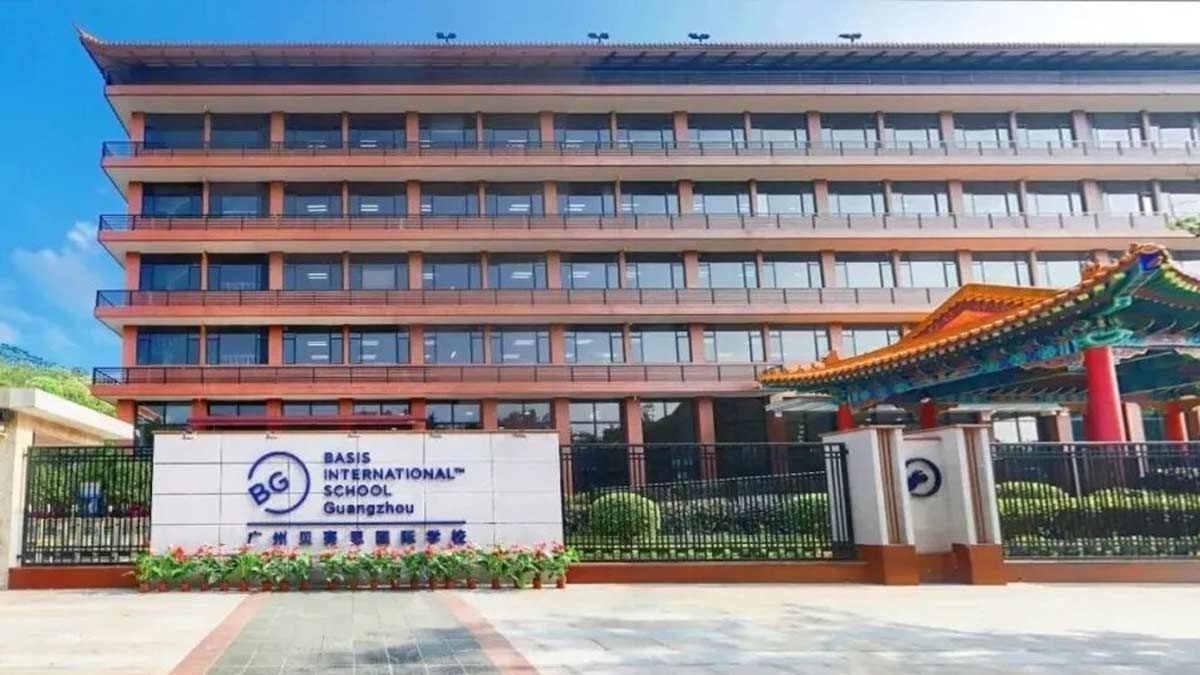
BASIS International School Guangzhou opened in 2017. It is located in Science City, Huangpu District. This campus is the flagship BASIS School in China. The school is part of a U.S. education network known for great academic results. It serves students from PreK to Grade 12. BASIS Guangzhou has a strong curriculum. It focuses on depth, rigor, and global awareness. This has made it one of the hardest international schools in South China.
Class Size & Student Body
BASIS Guangzhou welcomes students aged 3 to 18. We seek those with strong academic potential. Good logical thinking skills are also important. Small classes ensure each learner gets individual attention. Teachers work with mentors. They also work with college counselors. Wellbeing advisors join them. Together, they help students. The school is great for families seeking an elite American-style education. It offers a clear path to top universities, whether abroad or in China.
Facilities
BASIS Guangzhou's campus in Science City has many academic and enrichment spaces. These include:
- Science laboratories and computer labs
- Library and art/design studios
- Auditorium, theater, and music rooms
- Dining hall and campus recreational areas
- Robotics and STEM innovation spaces
Curriculum & Languages
The school uses the BASIS Core Curriculum. It is a clear plan that helps students learn. They build their skills from basic ideas to pre-university level, year by year. Upper school students can pick from more than 20 AP courses. They include math, science, economics, computer science, and humanities. Chinese language and culture are part of every grade. There’s also a pathway for students who want to attend China’s top 985 and 211 universities.
University Outcomes
AP track students at BASIS Guangzhou have a 100% admission rate. They get into universities abroad without fail. They also place well at US Top 30, Global Top 50, and Top 100 schools. Many graduates get scholarships. This shows the school makes strong students. BASIS Guangzhou helps students achieve their goals. Whether they want an Ivy League offer or a spot at a top Chinese university, they get support.
BASIS International School Guangzhou Fees
- Pre-Kindergarten: RMB 217,560
- Kindergarten: RMB 243,680
- Grades 1–8: RMB 265,760
Canadian International School of Guangzhou
History & Overview
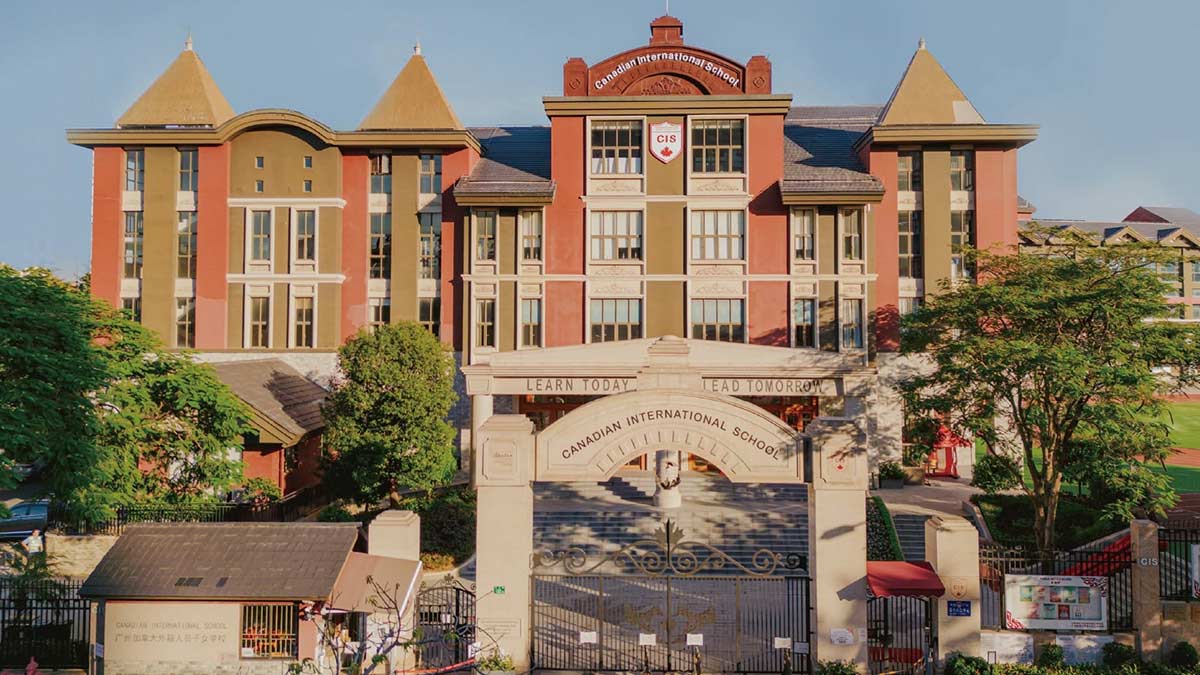
The Canadian International School of Guangzhou (CISGZ) started in 2005. It is one of the first Canadian schools in South China. The school is in Tianhe District. It offers a full PreK–grade 12 program. This program is accredited by the British Columbia Ministry of Education. It is also fully authorized for the IB continuum. CISGZ has built a strong reputation over twenty years. It mixes Canadian academic standards with Chinese culture. This gives students the best of both worlds.
Class Size & Student Body
CISGZ welcomes students from 3 to 18 years old. We look for people who show learning potential. We want those interested in bilingual or international education. Small class sizes let teachers connect with students. Canadian mentors help learners. Chinese mentors offer support too. Families wanting Canadian credibility and IB recognition will feel at home here. They’ll also enjoy a strong cultural balance.
Facilities
CISGZ's Tianhe District campus provides a great place to learn. It has many spaces, including:
- Science laboratories and general classrooms
- Library and art/design studios
- Auditorium, theater, and music rooms
- Dining hall and medical center
- Sports facilities for ice hockey, rugby, and swimming
Curriculum & Languages
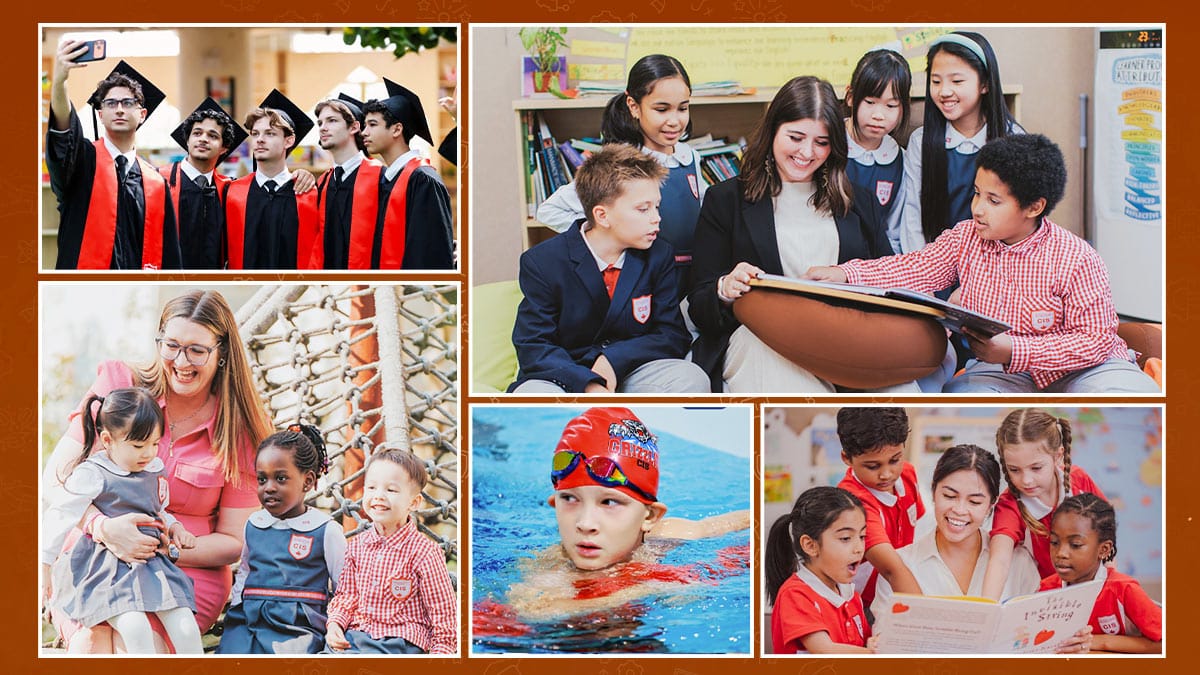
CISGZ has a triple-track framework. It has three options. You can choose the BC curriculum. You can also select the full IB continuum or the Chinese National Curriculum. In high school, students can choose from several options. They can get the BC Dogwood Diploma, the IB Diploma Programme, AP courses, or a Gaokao-aligned fusion pathway. Chinese language and culture are part of every grade. There’s also a STEP class for students who need extra language help before joining the main program.
University Outcomes
The numbers at CISGZ are hard to argue with. Every graduating class since 2016 has a 100% acceptance rate. This includes the top 100 universities worldwide. In 2025, more than 95% of graduates got offers from Global Top 50 universities. Also, nearly 80% secured spots at top 30 institutions. On average, each student received six university offers—four of them from top 100 schools.
Alumni are in school now. They study at:
- Imperial College London
- UCL
- University of Pennsylvania
- Tsinghua University
- University of Toronto
Canadian International School of Guangzhou Fees
| Grade Level | Per Semester (RMB) | Annual (RMB) |
|---|---|---|
| ECE PreK2–PreK4 | 97,000 | 188,000 |
| Kindergarten–Grade 3 | 105,000 | 204,000 |
| Grades 4–6 | 115,250 | 224,500 |
| Grades 7–9 | 125,600 | 245,200 |
| Grades 10–12 | 135,900 | 265,800 |
| Elementary STEP Class | 129,250 | 252,500 |
| Secondary STEP Class | 139,600 | 273,200 |
One-time fees for new students include:
- A non-refundable application fee of RMB 2,000
- An enrollment fee of RMB 10,000
- An enrollment deposit of RMB 100,000 (this will go towards tuition)
- Boarding (Secondary Students): RMB 35,000 per year (Optional)
- Bus Service: RMB 9,800 – RMB 17,800 per year (varies by distance)
GDUFS International School Guangzhou
History & Overview
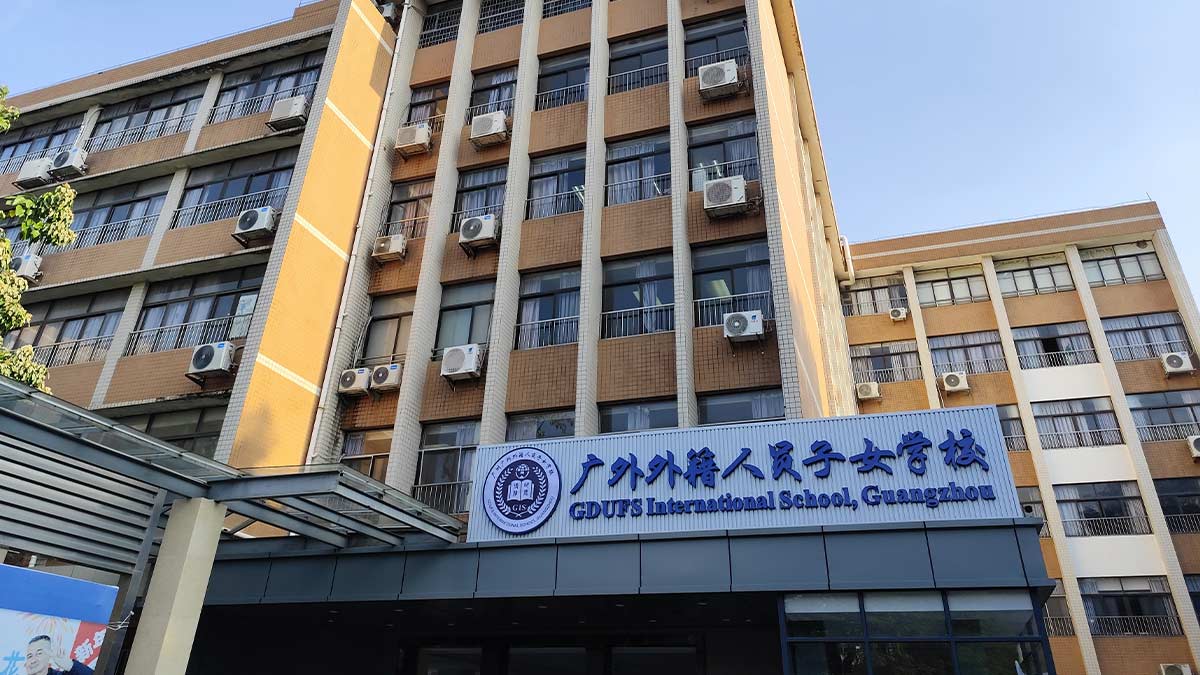
GDUFS International School Guangzhou (GIS) opened in 2012. It was helped by Guangdong University of Foreign Studies. The school offers good education. It serves expatriate families in the city. The school is in Baiyun District on a large 54-acre campus. This is the biggest campus among Guangzhou's eight major old districts. It serves students from PreK to Grade 12. GIS is a non-profit. The Guangzhou Education Bureau approved it. GIS teaches languages. It promotes culture.
Class Size & Student Body
GIS welcomes children aged 3 to 18 from foreign nations and residents of Hong Kong, Macao, and Taiwan. Small classes help learning. They keep it personal. Mentors support students. College counselors and advisors help too. The campus community is truly diverse. This multicultural mix is a key part of what makes GIS thrive.
Facilities
GIS has a 54-acre campus in Baiyun District. It is one of the best-equipped school campuses in Guangzhou. You'll find a wide range of facilities, including:
- Science laboratories and computer labs
- Library, art/design studios, and music rooms
- Dining hall and campus clinic
- Gymnasium, swimming pool, and volleyball court
- General classrooms and student living areas
Curriculum & Languages
GIS runs the full IB program. This includes PYP in primary school, MYP in middle school, and the IB Diploma Programme in senior high. AP courses are also available for students who prefer that pathway. Chinese language is taught at proficiency levels throughout, with cultural learning embedded alongside. Families who want to learn multiple languages can choose GIS. It offers paths to universities in French, German, and Japanese countries.
University Outcomes
GIS graduates from the IB DP and AP tracks have a 100% admission rate to overseas universities. They also get into many Global Top 50 and Top 100 universities. GIS stands out because of its multilingual advantage. This helps graduates secure spots at top universities in Europe and Asia. Many students also secure spots at Sino-foreign joint-venture institutions within China. Strong academic counseling ties everything together.
GDUFS International School Guangzhou (GIS) Tuition Fees
All fees are one flat rate. This covers food, accommodation, uniforms, school buses, and textbooks—no hidden extras.
Chengdu: Tech Hub Rising, Emerging Excellence in Western China
Chengdu is a popular city in western China for international education. It has over 8 accredited schools. These schools help the growing expat community. The city has a great mix of IB, American, and British programs. It's all set in a vibrant cultural scene. Graduates from Chengdu's top schools are getting into the best universities. They are seeing more success in North America, Europe, and Asia.
BASIS International & Bilingual Schools Chengdu
History & Overview
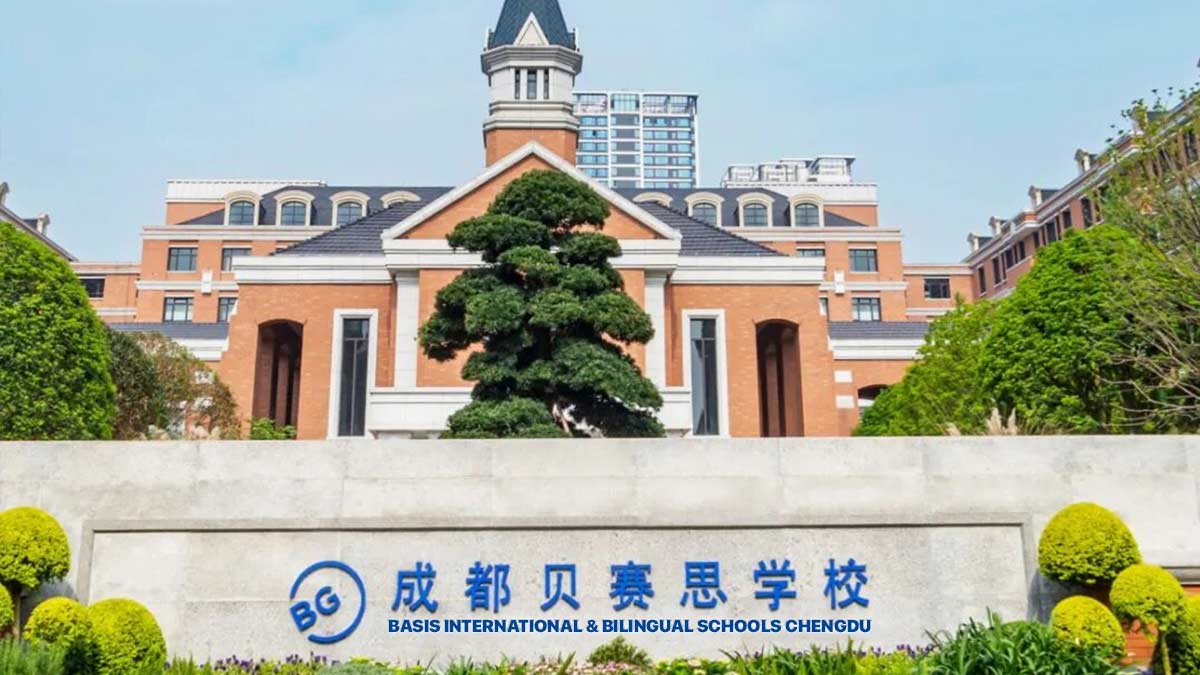
BASIS International & Bilingual Schools Chengdu opened in 2019. It is located in Tianfu New Area and is the first BASIS campus in Southwest China. The school is part of a U.S. education group. This group has over 40 schools worldwide. It uses a strong American academic model for Chengdu's international community. Students from PreK to Grade 12 are aged 3 to 18. They follow a curriculum made for depth and rigor. It prepares them well for university.
Class Size & Student Body
BASIS Chengdu has around 18 students in each class. This helps teachers interact more with students. The school helps foreign passport holders. It also welcomes international families. They want good results in their education. Each student has a plan. Mentors track their progress. College counselors help too. They stay involved from start to graduation.
Facilities
BASIS Chengdu's campus in Tianfu New Area has many learning and enrichment spaces. These are:
- Science laboratories and computer labs
- Library and art/design studios
- Auditorium, theater, and music rooms
- Dining hall and campus recreational areas
- Robotics and STEM innovation spaces
Curriculum & Languages
The school follows the BASIS Core Curriculum. This framework builds on subjects each year, from primary to high school. In secondary school, students take a tough set of AP courses. These include math, sciences, humanities, and languages. Physics, economics, and computer science are particular strengths. All instruction is in English. The curriculum meets top North American standards. It also fits the needs of international universities.
University Outcomes
BASIS Chengdu graduates get spots at top universities. These include schools in the US, UK, Canada, and Australia. Many attend schools ranked in the Global Top 30 and Top 50. A lot of students receive merit-based scholarships. This shows that the school prepares them well for tough admissions. No matter if a student's goal is an Ivy League school or a top UK research university, the results are clear.
2026–2027 Tuition
| Grade Level | Annual (RMB) | Per Term (RMB) |
|---|---|---|
| Pre-K (PreK1–PreK2) | 211,200 | 105,600 |
| Kindergarten | 236,500 | 118,250 |
| Grades 1–5 | 258,000 | 129,000 |
| Grades 6–8 | 280,000 | 140,000 |
| Grades 9–12 | 294,500 | 147,250 |
Note: A one-time, non-refundable application fee of RMB 2,000 applies at the time of application. A placement deposit is also required upon acceptance; the exact amount varies by offer and campus.
Chengdu Meishi International School (MSIS)
History & Overview
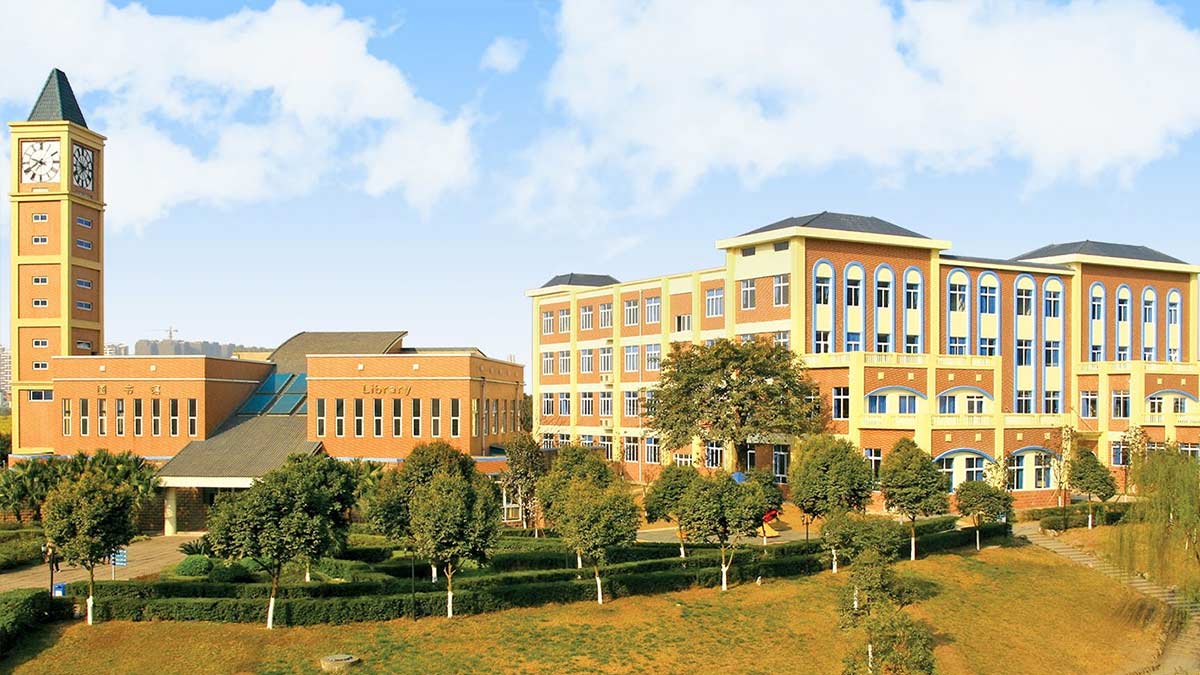
Chengdu Meishi International School (MSIS) opened in 2002. It is one of the first international schools in Southwest China. Meishi Education Group operates the school in Chengdu's High-Tech Zone. It has over twenty years of experience. The school provides K–12 education. This is for both local and international families. MSIS is a fully authorized IB Continuum World School. We offer PYP, MYP, and DP programs. Our school connects Chinese culture with high global academic standards.
Class Size & Student Body
MSIS keeps class sizes to about 18 students. This helps teachers focus on each learner's needs. The school welcomes students aged 3 to 18. They come from Chengdu, Sichuan, and other countries. Academic and career mentors assist each student. They guide their learning journey. The school is bilingual. This helps both English and Chinese speakers feel supported from day one.
Facilities
MSIS's campus in the Chengdu High-Tech Zone has many learning and support facilities. These include:
- Academic buildings, library, and campus green spaces
- Robotics, AI, and science innovation labs
- Arts, sports, and cultural activity spaces
- School bus service for daily transport
- 24-hour infirmary for medical support
- Boarding facilities for residential students
Curriculum & Languages
MSIS offers the full continuum of IB programs along with AP courses. This covers PYP in primary school. It also includes MYP in middle school and the Diploma Programme in senior high. Strong subjects are math, physics, economics, and Chinese A. Students often score high on the IB. The Chinese National Curriculum is in bilingual classes. These classes teach language. They also teach history. They cover geography and moral education too. The school also has a separate Chinese-curriculum division for families who want that option.
University Outcomes
MSIS graduates get offers from top universities. These include schools in the UK, US, Canada, Australia, and Asia. Many students gain entry to the global top 50 universities. A strong number achieve IB scores above 40 and earn merit-based scholarships. The school’s inquiry model works. Small classes help. These lead to better university application results.
Chengdu Meishi International School Fees
IB / Integrated Pathway
- Tuition (IB DP): RMB 134,000
- Boarding: RMB 1,800
- Meals: Card-based, as incurred
- Other Costs: As incurred
Chinese Curriculum Division
| Fee | Primary (RMB) | Middle (RMB) | High (RMB) |
|---|---|---|---|
| Tuition | 33,000 | 32,000 | 34,000 |
| Boarding | 1,200 | 1,200 | 1,200 |
| Meals / living budget | 8,000 | Card-based | Card-based |
| Materials & services fee | 2,700 | 2,600 | 2,600 |
| Uniform | 1,400 | 1,600 | 1,600 |
| Other fees | 8,000 | 8,800 | 8,800 |
Note: All amounts per student per academic year. The materials & services fee covers teaching materials, insurance, bedding, activity fees, and textbooks.
Chengdu International School (CDIS)
History & Overview
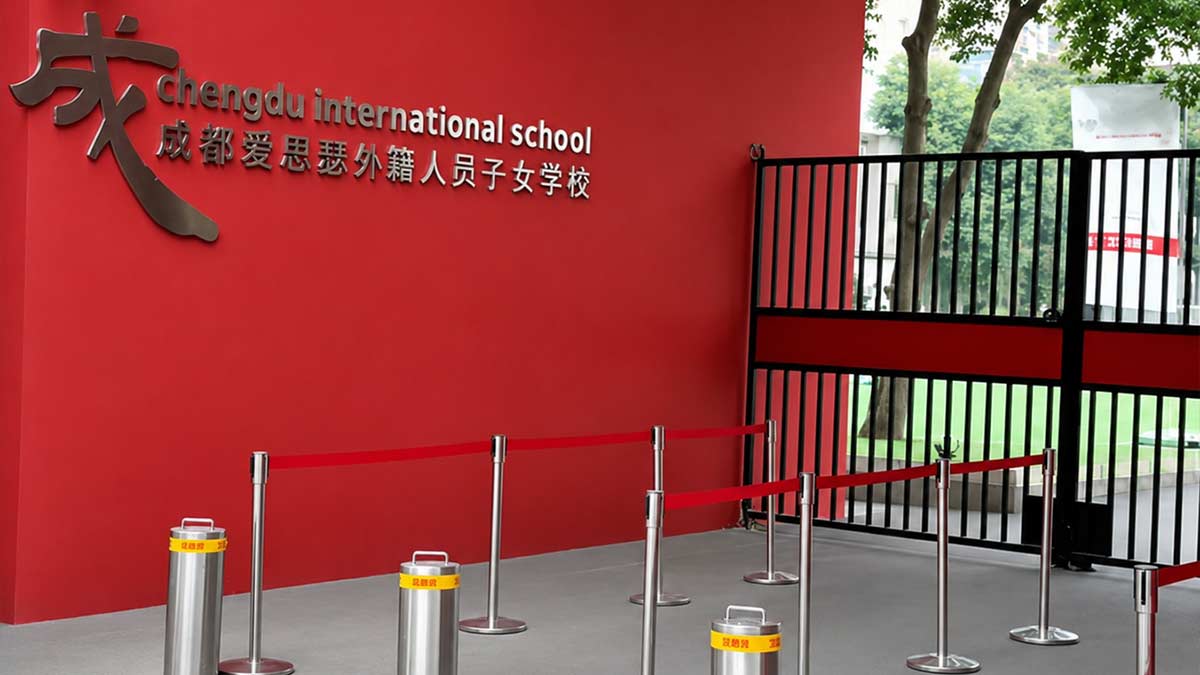
Chengdu International School (CDIS) began in 1997. It is in Jinjiang District. CDIS is one of the first American-style schools in Southwest China. The school has been growing for over twenty years. It keeps up with Chengdu's fast growth. It welcomes expatriate families. It also welcomes Chinese students who want a recognized education. CDIS is a top international school in western China. It offers a strong AP curriculum. Students achieve great university outcomes. The community is diverse and vibrant.
Class Size & Student Body
CDIS keeps average class sizes at 20 students, with a teacher-to-student ratio of 1:5. The school community includes students from 10 nationalities. They range in age from 3 to 18, covering PreK to Grade 12. Mentors help each learner one-on-one. The school has boarding facilities. This is good for families outside Chengdu.
Facilities
CDIS's campus in Jinjiang District has spaces for learning and fun. These include:
- Science laboratories and computer labs
- Library and art/design studios
- Music rooms and performance spaces
- Robotics, AI, and research competition areas
- Transportation services for daily commuting
Curriculum & Languages
CDIS uses the American National Curriculum. It focuses on Advanced Placement (AP) courses in senior high school. Grade 9 is a pre-AP transition year. It helps students build skills in English writing, math, and scientific inquiry. This prepares them for full AP classes in Grades 10 to 12. AP has tracks in math, science, economics, humanities, and computer science. You can also earn the AP Capstone Diploma. The bilingual classes use the Chinese curriculum. They teach language, history, geography, and morals.
University Outcomes
CDIS graduates often get into top universities. This includes schools in the US, UK, Canada, Australia, and Asia. Many go to Global Top 50 and Top 100 institutions. The school’s average SAT score is 1,410. This shows good academic preparation. Many graduates get merit-based scholarships, too. Alumni have studied at 108 different colleges around the world. This shows the school’s strong university counseling.
Chengdu International School Fees
- ECC Foundations / Junior KG / KG: RMB 170,000
- Elementary (Grades 1–5): RMB 238,000
- Middle School (Grades 6–8): RMB 246,000
- High School (Grades 9–12): RMB 251,000
- Enrollment Processing Fee (New Students): RMB 20,000
- Enrollment Processing Fee (Returning Students): RMB 10,000
Comparison Table: Top Schools Across China
Choosing an international school in China means weighing location, curriculum, costs, and outcomes. Our International School Database aggregates data from 840+ schools across 48 cities. Check this comparison table to see patterns. Match your child's learning style and find the best fit for your family's needs.
| Category | ISB (Beijing) | SAS (Shanghai) | BASIS Shenzhen | AISG (Guangzhou) | BASIS Chengdu |
|---|---|---|---|---|---|
| Founded | 1980 | 1912 | 2015 | 1981 | 2019 |
| Class Size | 18–22 students | 18–22 students | ~18 students | Small classes | ~18 students |
| Curriculum | Full IB (PYP, MYP, DP) | American / AP | BASIS Core + AP | IB + AP + American | BASIS Core + AP |
| Language | English + Mandarin | English + Mandarin | English + Mandarin | English + Mandarin | English |
| IB / AP Average | IB avg: 36 | AP avg: 3.9/5.0 | AP-focused | IB + AP | AP-focused |
| University Outcomes | 90% to Top-100 globally | 88% to Top-50 globally | Top 30 & 50 globally | 100% overseas admission | Top 30 & 50 globally |
| Ivy League / Top Placements | Strong Ivy pipeline | Stanford, MIT, Princeton | MIT, Stanford, Ivy League | Ivy League + UK Top | Ivy League + UK Top |
| Tuition Range (RMB) | 155,800 – 361,800 | 246,000 – 311,000 | 272,080 – 336,560 | 229,280 – 303,900 | 211,200 – 294,500 |
How to Choose the Right International School
You're comparing schools across China. Beyond cost and university results, what really shapes your child's day-to-day life? Strong ESL support helps. Modern learning spaces matter. Active student clubs keep kids engaged. Good sports facilities are essential. Let's look at what makes the best schools stand apart.
The Features That Matter Most
Learning Spaces & Facilities
Top schools invest heavily in their physical environments. You'll find:
- Modern classrooms with flexible seating
- STEM and innovation labs for hands-on projects
- Welcoming library and research spaces
- Sports facilities, including pools, gymnasiums, and athletics fields
- Multipurpose theaters for performances and events
Schools like YK Pao and ISB have big, well-equipped campuses. ISB is on 40 acres in Shunyi. YK Pao has three purpose-built divisions in Shanghai. Schools in Chengdu and Guangzhou, such as MSIS and GIS, focus on quality over scale. GIS is on the biggest primary and secondary campuses. This campus is in Guangzhou's eight main old districts.
Why this matters: Your child spends 6+ hours daily in these spaces. Good design supports focus, creativity, and well-being.
ESL Support & Language Pathways
Not every student arrives speaking fluent English. Top schools address this with:
- ESL coordinators who assess new students on arrival
- Small-group language classes tailored to proficiency levels
- Bilingual programs blending English and Mandarin
- Heritage and mother-tongue language support
Shanghai schools like SCIS and YK Pao offer great bilingual options. They teach Mandarin in every grade. Beijing schools, such as ISB and WAB, offer great English lessons. They also have special support for language learners. CISGZ and MLIAS offer STEP classes. They follow BC-certified ESL frameworks. These help students begin learning English.
Student Choice & School Policies
Your child's voice matters. Schools with strong student agency let kids:
- Choose electives and AP or IB subject combinations in upper grades
- Participate in student government with real responsibility
- Lead clubs and student-driven initiatives
- Pursue arts, sports, or academic enrichment on their own terms
Student clubs typically include:
- Academic clubs—debate, robotics, Model UN, and math competitions
- Cultural groups—international student associations and heritage festivals
- Arts and performance groups—drama, orchestra, and visual arts
- Environmental and service clubs—sustainability initiatives and community outreach
- Sports and wellness clubs — athletics, fencing, swimming, and team sports
Larger schools like Keystone Academy and SCIS offer a wide range of 40 or more clubs. Smaller schools like CDIS and GIS have fewer options. They make closer, more connected communities. In these places, everyone knows each student's name.
What to ask: Does the school let your child choose their own path?
Frequently Asked Questions
Q1: What Are Average Class Sizes? 18–22 students per class. Most top international schools keep classes small.
Q2: How Much Do Tuition Fees Increase Each Year? Expect 5–10% yearly increases. Tuition doesn't stay flat. Schools raise fees annually to cover staff salaries, facility upgrades, and operational costs.
Q3: What Are Expat Visa Requirements? You'll need a Z visa (work visa) or dependent visa. Expat families typically fall into two categories:
If you're working in China:
- You get a Z visa (employment visa)
- Your spouse and children get dependent visas (S1 or S2)
- Schools help with visa documentation
If you're not working:
- Children get Q2 visas (family reunion)
- Parents get Q1 visas
- Schools provide enrollment letters for visa applications
Q4: Where Do Graduates Go to University? Top schools send 70–90% of graduates to top-50 global universities. Your child won't just get into college—they'll have real choices. Schools across China's five hubs consistently place students at prestigious institutions.
Conclusion
International schools in China have transformed education for thousands of families. You've explored top institutions across Beijing, Shanghai, Shenzhen, Guangzhou, and Chengdu. You've reviewed class sizes, tuition structures, and university outcomes. Now you're ready to decide.
Choosing the right school matters deeply. Your child will spend years on campus. They will make friends. They will learn new skills. They will prepare for success at universities around the world. If you like ISB in Beijing, YK Pao in Shanghai, or BASIS in Shenzhen, this guide has options for you. Each school offers a true path forward.
The best school is the one where your child thrives. It should have a curriculum that matches their learning style. It needs a friendly community. Teachers should know each student by name.
You've gathered the information. You understand the landscape. What you need now is expert guidance to make a confident choice.
Alifa Education Services specializes in exactly this. Our team knows China's international schools intimately. We'll match your family with the right institution and support you every step of the way.
Book your free consultation with Alifa Education Services today. Let's find your child's perfect school together.
Related Articles
 Emmanuel Usang
 Emmanuel Usang
 Emmanuel Usang


Member comments