

Introduction
China has more than 300 million basketball players. This is the biggest number in the world. The Chinese Basketball Association (CBA) runs more than 10,000 teams each year. The NBA sees China as its top market. Broadcast deals reach millions of fans. For expat families moving to China, youth basketball’s real story isn’t in sports academies. It’s not in school gyms, either. It is happening in bilingual and expat schools. These schools give great K-12 education. They also have strong sports. Coaches come from NCAA, CBA, FIBA, and European leagues.
This guide ranks the 15 best basketball schools in China for K-12 students under 18. The list has bilingual schools for Chinese students. It also has schools for foreign students. Expat schools are for foreign passport holders only. We left out public schools’ international divisions. No government schools with an “international track” are here. Sports schools are also not here. We focus on programs that see basketball as a real sport. It's not just a physical education requirement.
This guide is for you. Are you an Argentine family moving to Shanghai for mining? Or a Brazilian household considering Shenzhen for tech? Maybe you’re a Colombian trade pro looking at Beijing. A Mexican manufacturing executive heading to Tianjin? This guide is written for your family. Choosing a school abroad is a big decision. You need to balance basketball growth with school challenges. Safety is important too. Don't forget about language support and fitting into the culture. Later in this article, there’s a part for Latin American families. It shows costs. You’ll find community resources. There are tips for enrolling. This covers Argentina, Brazil, Colombia, Mexico, Chile, Peru, Venezuela, Uruguay, and the Dominican Republic.
Here’s a simple ranking method. We list 15 schools. Each shows coaching skills and results. We explain China’s basketball leagues. There are cost details and scholarship tips. We answer common questions from parents.
Why China Is a Global Destination for Youth Basketball
The Numbers Behind China’s Basketball Boom
The scale of basketball in China is difficult to overstate. More than 300 million people play basketball. The Asia-Pacific region is growing quickly for basketball gear. China is the second-largest market. The CBA league is putting more money into youth facilities. In 2020, the government started the "sports + education" policy. It says kids in primary and secondary school must exercise for at least two hours every day. This policy helps private and international schools. They can create strong sports programs. The government is on their side.
Yao Ming was the president of the Chinese Basketball Association. He was in this role from February 2017 to October 2024. He made big changes. He combined sports and education. He set salary caps. He also standardized youth competitions. He also promoted basketball culture and honor systems. Under his leadership, China’s women’s national team won gold at two Asian Games. They also came second at the 2022 FIBA Women’s World Cup. Guo Zhenming took over from Yao. He aimed to strengthen these foundations. His goal was to boost international exchange. In October 2025, the CBA and NBA announced a new deal. It’s a multi-year partnership. This shows their focus on global ties. The deal gives training to Chinese national teams in the United States. It helps coaches and referees grow, too.
The NBA Academy program in China underwent significant restructuring. The NBA shut down its Global Academy in Australia and the Latin America Academy in Mexico in July 2025. It is keeping the Africa Academy in Senegal and plans to open a new global hub, likely in Asia or the Middle East. The NBA closed its three academies in Jinan, Urumqi, and Hangzhou. However, it still cares about the region. It invests in youth basketball in China. It supports the Jr. NBA programs. It also funds NBA basketball schools. It backs Basketball Without Borders, too.
Why Private and International Schools Lead
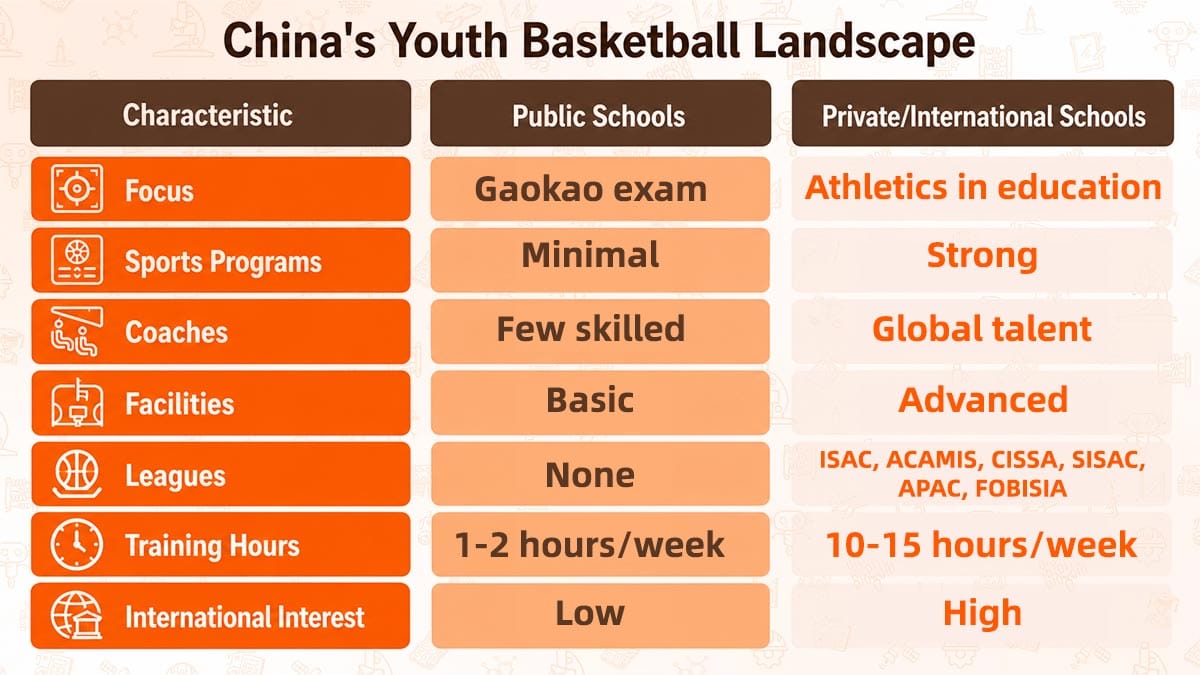
China’s public schools focus on the gaokao. This national exam decides who gets into university. This single-test pressure leaves minimal room for competitive sports during the academic year. Most schools have gym classes. Few focus on basketball. There aren’t many skilled coaches. Strength programs and competitions are rare. The gaokao treadmill starts in middle school. In high school, most public school students have no time for sports. They only attend mandatory PE classes.
Private and international schools operate outside this constraint entirely. They follow IB, AP, British, or hybrid curricula. These schools value athletics in education. They hire talent from around the world. This includes ex-NCAA assistants and CBA or NBL pros. European league veterans and FIBA instructors are included too. They build facilities like universities. They have competition courts. They have sports domes. The air is clean. They also have strength labs and trainers. These schools belong to leagues. They are ISAC, ACAMIS, CISSA, SISAC, APAC, and FOBISIA. The leagues offer seasons and tournaments. They help with college recruitment. These options are not in China’s public schools.
The difference is stark. A public school student in Beijing might play basketball once or twice a week. They do this in a crowded gym with little coaching. A student at ISB or WAB trains 10-15 hours each week. They work with coaches and travel to tournaments in Asia. They also get sports medicine support. They handle all this while studying hard. This helps them get ready for universities worldwide.
The Growing International Interest—From Buenos Aires to Manila
Major Chinese cities now host substantial expatriate communities from every continent. Shanghai, Beijing, Shenzhen, Guangzhou, and Tianjin have many foreign workers. Each city has thousands. They work in tech, finance, and trade. Some work in manufacturing. Others are in mining or diplomacy. Basketball links these communities. It needs no words. Everyone knows the rules. School leagues bring students together. They mix 40, 50, or even 60 nationalities on one campus.
For Latin American families specifically, the draw is multifaceted. Children learn three languages: English, Mandarin, and Spanish or Portuguese. They get academic credentials recognized by universities worldwide. They compete in basketball against diverse international opponents. This experience cannot be matched in South American circuits alone. A lot of this growth comes from FIBA’s competition structure. It helps young athletes in China gain exposure to tournaments in Asia and Oceania. Different styles improve skills. They help players adjust. Coaches value this.
Ranking Methodology
Our rankings evaluate six weighted criteria across every school on this list. We value academic-athletic balance more than basketball academy rankings. Every institution here focuses on academics first. Parents pick these schools for top sports and strong academics. They want the best both on the court and in the classroom.
We checked schools in many ways. We looked at websites. We reviewed tournament records. We checked sports results. We used facility documents. We also looked at coaching profiles. Each school on the list has a basketball program. It is not just for PE. The schools are bilingual private or international expat schools. If we couldn't verify specific data points, we noted this in the school’s profile.
The 15 Best Basketball Schools Full Ranking
Category A: International Expat Schools
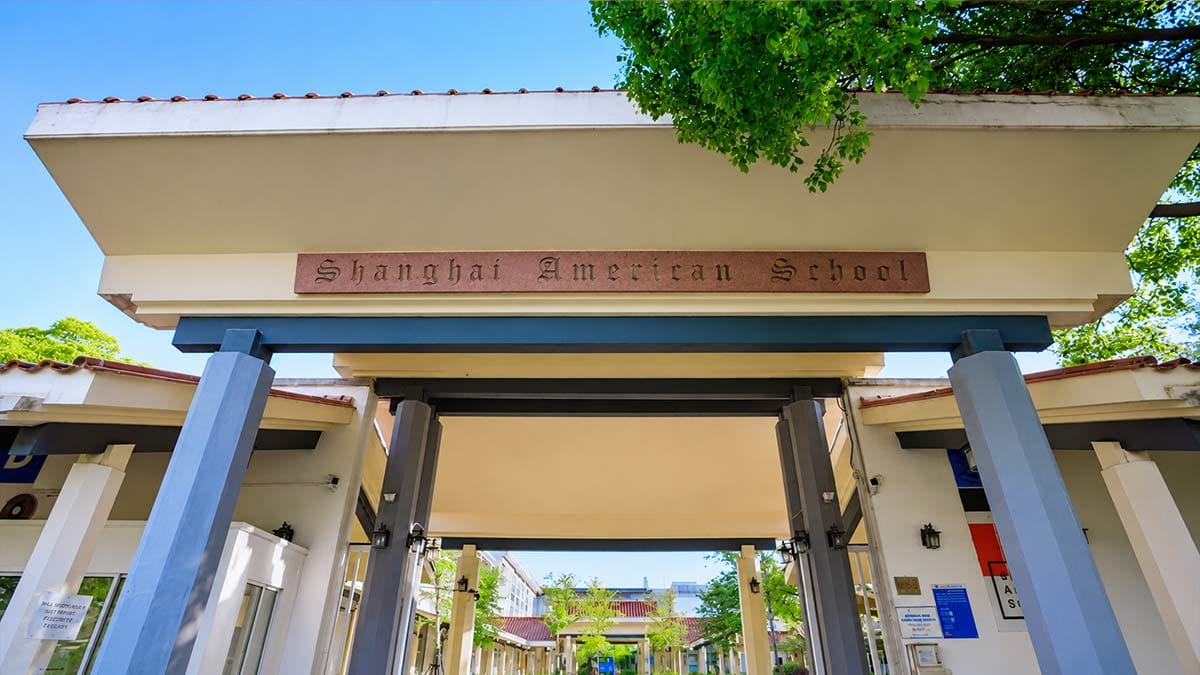
1. Shanghai American School (SAS) — Shanghai
SCHOOL SNAPSHOT: -
Type: International Expat
Location: Shanghai (Pudong & Puxi campuses)
Curriculum: AP
Grade Levels: PreK–Grade 12
Boarding: No—day school only
Basketball Leagues: APAC, CISSA, ACAMIS
Girls Basketball Program: Yes—competitive varsity and JV
Annual Tuition: ¥246,000–311,000 ($34,000–43,000)
Accreditation: WASC, CIS
WHY THIS SCHOOL RANKS #1:
SAS is the biggest international school in Shanghai. It has around 2,900 students on two campuses. Its sports facilities are just as large. The Pudong campus is 23 acres. It has university buildings. There are aquatic centers, arts centers, and competition gyms. SAS is a regular host for APAC and CISSA tournaments. Other schools vote for this, showing that SAS is one of the best venues.
The basketball program runs on both campuses. It includes varsity, JV, and middle school teams for boys and girls. SAS teams compete in the Asia Pacific Activities Conference (APAC). It is the top sports event for international schools. They also play in CISSA and ACAMIS. In the 2024-25 season, SAS Puxi won team bronze at the APAC basketball tournament. The whole squad also received the Spirit of APAC award. The program's depth sets it apart. With nearly 3,000 students, SAS can field several competitive teams at each level. This also helps keep the girls' programs strong and balanced.
The Puxi campus opened in 2000. It built its basketball program as international school sports grew in Shanghai. Both campuses have one athletic department. It offers coaching. They share training. They make schedules. This coordination gives SAS benefits that smaller schools can't match. SAS has a bigger coaching pool. It also has more practice time. Plus, SAS can host big tournaments. These events help the program get noticed.
HEAD COACH:
[Note: The names of specific head coaches may not be verified as of 2026. Please confirm directly with the school.]
KEY FACILITIES:
Competition gyms on each campus. There are athletic training areas. Sports medicine support is also available.
COMPETITION RECORD (2023-2026)
- APAC team bronze (Puxi boys, 2024-25)
- Spirit of APAC award
- Regular participation in CISSA and SISAC for both boys' and girls' divisions.
ACADEMIC PROFILE FOR STUDENT-ATHLETES
SAS offers a comprehensive AP program with strong university placement. The school’s size allows for extensive course offerings that accommodate athletic schedules.
BEST FOR
Families want the biggest international school in Shanghai. They seek top facilities. They also want strong basketball teams for boys and girls.
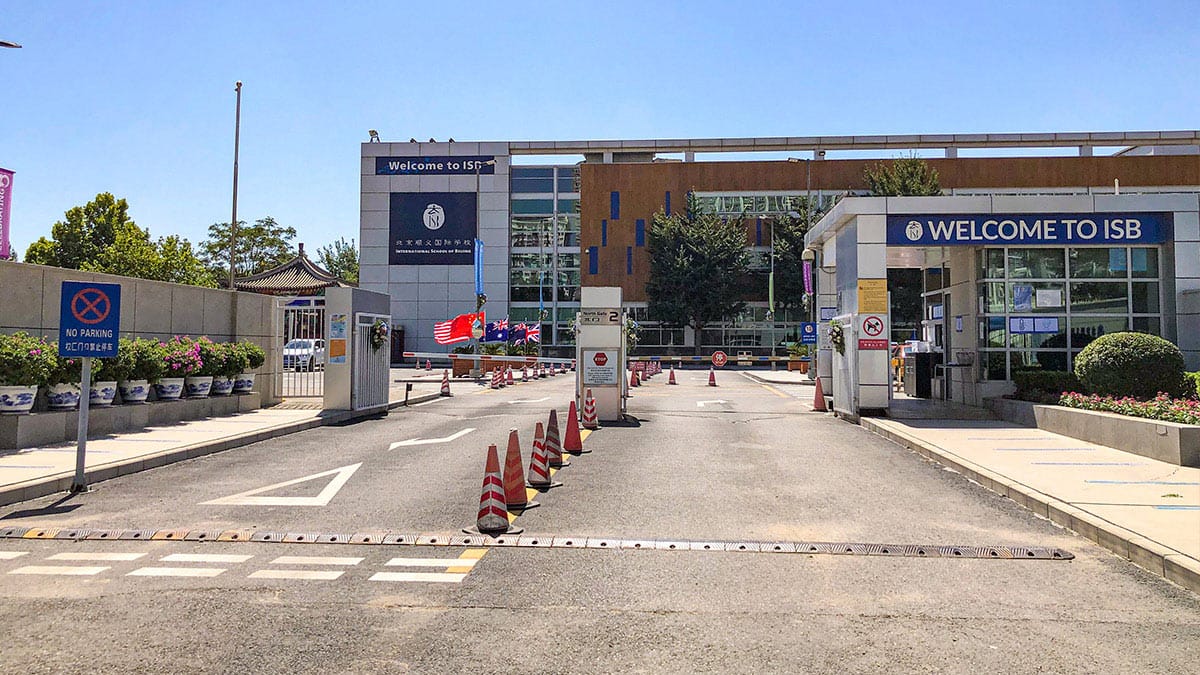
2. International School of Beijing (ISB) — Beijing
SCHOOL SNAPSHOT:
Type: International Expat
Location: Beijing, Shunyi District
Curriculum: IB (PYP, MYP, DP) + ISB-designed Learning21 curriculum
Grade Levels: Early Years 3–Grade 12
Boarding: No—day school only
Basketball Leagues: ISAC, ACAMIS, APAC, China Cup
Girls Basketball Program: Yes—competitive at all levels
Annual Tuition: ¥245,900–356,000 ($34,000–49,000)
Accreditation: CIS, NEASC
WHY THIS SCHOOL RANKES #2:
ISB is one of the oldest international schools in China. It is also very respected for its academics. Its 32-acre campus in Shunyi has two sports domes with over 8,500 m² of indoor space. It also includes a 665-seat stadium and four gyms, one of which has a climbing wall. The school’s athletic program has a full-time athletic trainer. This trainer gives sports medicine help. Many international schools don’t have this.
ISB’s basketball program competes in several leagues:
- ISAC for Beijing/Tianjin area games,
- ACAMIS for national tournaments,
- APAC for events across Asia,
- and the China Cup.
The school runs the annual Great Wall Shootout. It’s a mid-season basketball tournament. Schools from across the region come to compete. ISB has over 1,700 students from more than 40 nationalities. It offers competitive teams for boys and girls at varsity, JV, and middle school levels. ISB offers great sports facilities. It has a dedicated athletic trainer. There is pharmaceutical-grade air filtration in indoor areas. Plus, there is a lot of gym space. These features make ISB one of the best schools for sports in Asia.
The Great Wall Shootout is a big event for basketball in Beijing schools. ISB teams get to play at home. This event also brings the community together to support basketball. The tournament has divisions. This helps all players. They get good game experience.
HEAD COACH
[Note: Specific head coach names might not be verified as of 2026. Please check directly with the school for confirmation.]
KEY FACILITIES
- Two sports domes (over 8,500 m²)
- Four gyms equipped with all necessary facilities
- 665-seat stadium
- Athletic trainer on staff
- Pharmaceutical-grade H-14 air filtration
COMPETITION RECORD (2023-2026)
Host of the Great Wall Shootout. Regular competitor in ISAC, ACAMIS, and APAC for both boys' and girls' divisions.
ACADEMIC PROFILE FOR STUDENT-ATHLETES
ISB offers the full IB Diploma Programme and maintains strong university placement records. The school’s Learning21 curriculum is for students who move around the world. It helps meet their needs.
BEST FOR
Families want to do well in school and play competitive basketball. They get great sports medicine. They also have good indoor air.
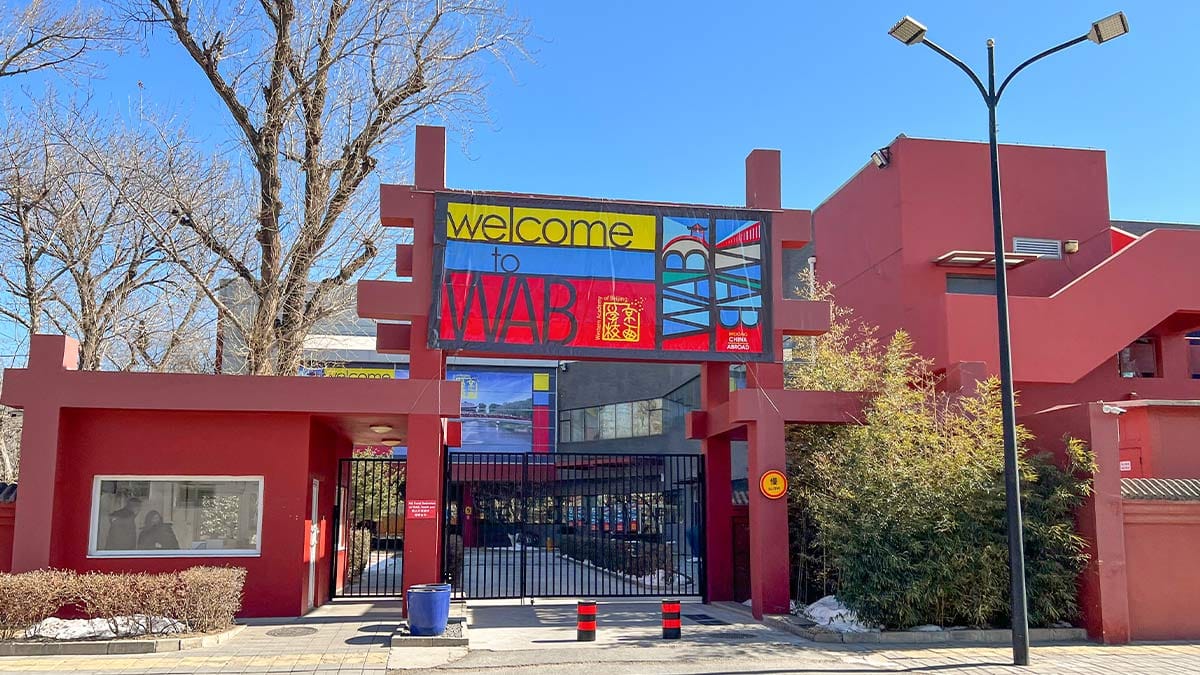
3. Western Academy of Beijing (WAB) — Beijing
SCHOOL SNAPSHOT:
Type: International Expat
Location: Beijing, Shunyi District
Curriculum: IB (PYP, MYP, DP)
Grade Levels: Early Years–Grade 12
Boarding: No—day school only
Basketball Leagues: ISAC, ACAMIS, APAC
Girls Basketball Program: Yes—Varsity, JV, U14, U12 girls teams
Annual Tuition: ¥246,500–376,700 ($34,000–52,000)
Accreditation: NEASC, CIS, IBO
WHY THIS SCHOOL RANKS #3:
WAB is a full IB continuum school. It has a broad athletics program that includes 16 competitive sports, from senior grade 1 to grade 12. The basketball program is organized. It has teams for different levels.
The teams are:
- Varsity Boys
- Varsity Girls
- Junior Varsity Boys
- Junior Varsity Girls
- U14 Boys
- U14 Girls
- U12 Boys
- U12 Girls
This depth helps students start competitive basketball with the right skills. They can then move up in the program.
WAB students take part in competitions in three places. They compete locally in Beijing. They also compete nationally in China. Lastly, they compete internationally against schools in Asia. WAB is part of APAC, ACAMIS, and ISAC. The school’s alumni athletes have gone to top sports colleges. Some include NYU, McGill, and Brown. WAB cares about sportsmanship and overall growth. They call this the “WABX” philosophy. It values character development just as much as winning.
The WABX program has a clear idea. Sports should build resilience. They should help teamwork. They should teach leadership. They should improve physical skills. This approach appeals to parents. They see sports as a way to teach character. It’s not just about getting college scholarships or professional jobs. WAB has eight basketball teams. This variety helps students who start later. They can find the right level and improve at their own pace.
HEAD COACH
Kirby Boychuk serves as WAB’s athletics & activities director. [Additional coach details could not be independently verified.]
KEY FACILITIES
- Several gyms
- A broad sports exchange program with local and Asian international schools.
COMPETITION RECORD (2023-2026)
Regular APAC, ACAMIS, and ISAC competitor across all age divisions for both boys and girls.
ACADEMIC PROFILE FOR STUDENT-ATHLETES
Full IB continuum with university placement to NCAA, Canadian, UK, and Australian institutions.
BEST FOR
Families wanting a full IB education can find a strong basketball program. It suits all ages. It also helps athletes get into university.
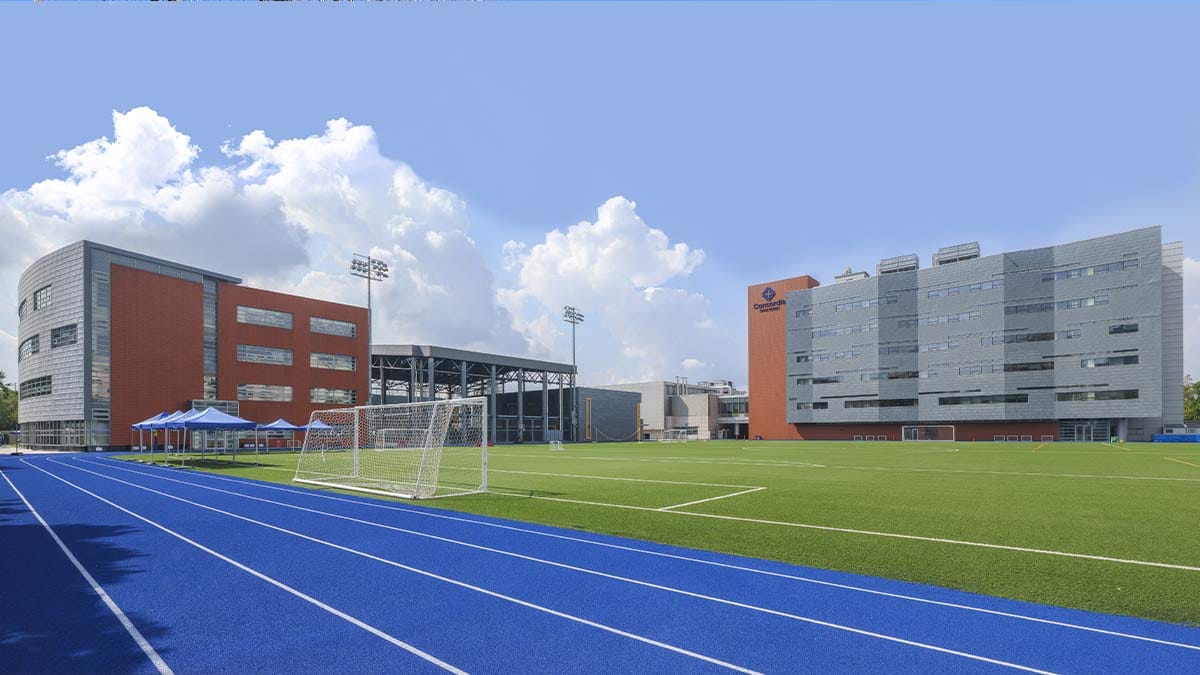
4. Concordia International School Shanghai—Shanghai
SCHOOL SNAPSHOT:
Type: International Expat
Location: Shanghai, Pudong
Curriculum: AP
Grade Levels: PreK–Grade 12
Boarding: No—day school only
Basketball Leagues: SISAC, ACAMIS, APAC, Jr. NBA
Girls' Basketball Program: Yes — competitive; Jr. NBA qualifier
Annual Tuition: [Contact school for current rates]
Accreditation: WASC
WHY THIS SCHOOL RANKS #4:
Concordia had a great 2024-25 athletic year. The school won six APAC championships. That's a new record for all sports! The basketball program contributed significantly to this success. The Varsity Boys Basketball team is going to the Jr. NBA Shanghai 2024-2025. The Varsity Girls' Basketball team is going too. This is a big win for Concordia. It places us among the top basketball programs in the city. The girls' varsity team reached the final of the SISAC league. The Boys' Varsity took 3rd place at APAC. They played on their home court in front of big crowds.
Concordia held the 2025 APAC Basketball Tournament. It showed off its great facilities. It also proved it can organize big events well. The school streams basketball and volleyball games live. Alumni and families abroad can watch. It's easy to follow the teams. Concordia connects athletics and academics. APAC Band and Choir events happen during sports. The robotics and Model UN programs also do well. This shows students are encouraged to succeed in many areas.
The Jr. NBA qualification is important. It shows that the program is recognized for its quality. The Jr. NBA is the NBA’s youth program. It works around the world.
The program picks partner schools for four reasons.
- Coaching.
- Facilities.
- Competition.
- Commitment to youth.
Concordia is qualified for boys’ and girls’ programs. Its basketball meets the top league’s standards.
HEAD COACH
[Note: As of 2026, specific head coach names may not be verified. Please confirm directly with the school.]
KEY FACILITIES
Competition gyms with livestreaming capability hosted 2025 APAC Basketball.
COMPETITION RECORD (2023-2026)
- Boys Varsity: 3rd place at APAC (2024-25)
- Girls Varsity: SISAC finalists
- Both teams qualified for Jr. NBA Shanghai 2024-25.
ACADEMIC PROFILE FOR STUDENT-ATHLETES
Strong AP program with university counseling support; robotics and academic programs equally competitive.
BEST FOR
Families want a basketball program with Jr. NBA recognition. They want a school that values multiple sports.
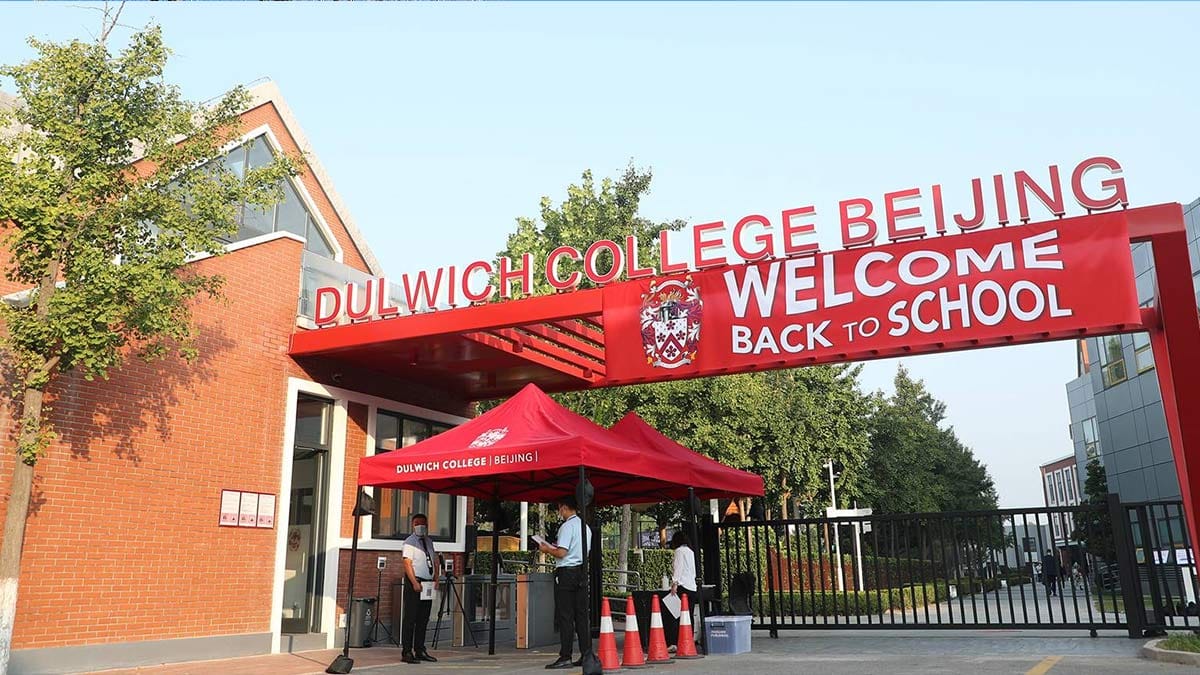
5. Dulwich College Beijing—Beijing
SCHOOL SNAPSHOT:
Type: International Expat. (Note: accepts Chinese nationals in some year groups based on Beijing rules.)
Location: Beijing, Shunyi District
Curriculum: British/IGCSE/IB (A-Level option from 2025)
Grade Levels: Ages 3–18
Boarding: No—day school only
Basketball Leagues: ISAC, ACAMIS, FOBISIA
Girls Basketball Program: Yes—competitive
Annual Tuition: ¥245,000–373,000 ($34,000–52,000)
Accreditation: IBO, COBIS
WHY THIS SCHOOL RANKS #5:
Dulwich College Beijing is a 400-year-old British school. It has a great sports program. It stands out in northern China. The school takes part in ISAC, ACAMIS, and FOBISIA. The basketball teams have done well lately. At the 2024 ACAMIS basketball tournament, Dulwich Beijing’s girls team came in 2nd. The boys team also finished 2nd. These results show they can compete with the top programs in China.
The school has great facilities. There are two sports domes and a multi-purpose sports hall. It also has a FIFA two-star football pitch. Plus, it has the only student cricket pitch in Beijing. Dulwich Beijing joins the Dulwich Olympiad. This event happens every four years. It is a multi-sport and arts competition. Students from the Dulwich network around the world come together for it. The school’s philosophy emphasizes balanced development—academic rigor alongside character-building through sport. From August 2025, Dulwich Beijing will offer an A-Level pathway. This is in addition to the IB Diploma. It gives students more choices for university.
The dual curriculum offers IB and A-Level. Families can choose the best path for their child's university plans. A-Levels are good for students who want to go to UK universities. The IB Diploma is known all over the world. For basketball-focused students, both pathways accommodate the scheduling demands of competitive athletics.
HEAD COACH
Hannah Marshall serves as director of sport. [Additional basketball-specific coaching details could not be independently verified.]
KEY FACILITIES
Two sports domes, a multi-purpose sports hall, extensive outdoor pitches, six tennis courts.
COMPETITION RECORD (2023-2026)
ACAMIS 2024—Girls 2nd place, Boys 2nd place; ISAC and FOBISIA regular competitors.
ACADEMIC PROFILE FOR STUDENT-ATHLETES
IGCSE, IB Diploma, and A-Level options; strong UK and US university placement.
BEST FOR
Families want a solid British curriculum. They want competitive basketball, too. Access to the global Dulwich network is also a priority.
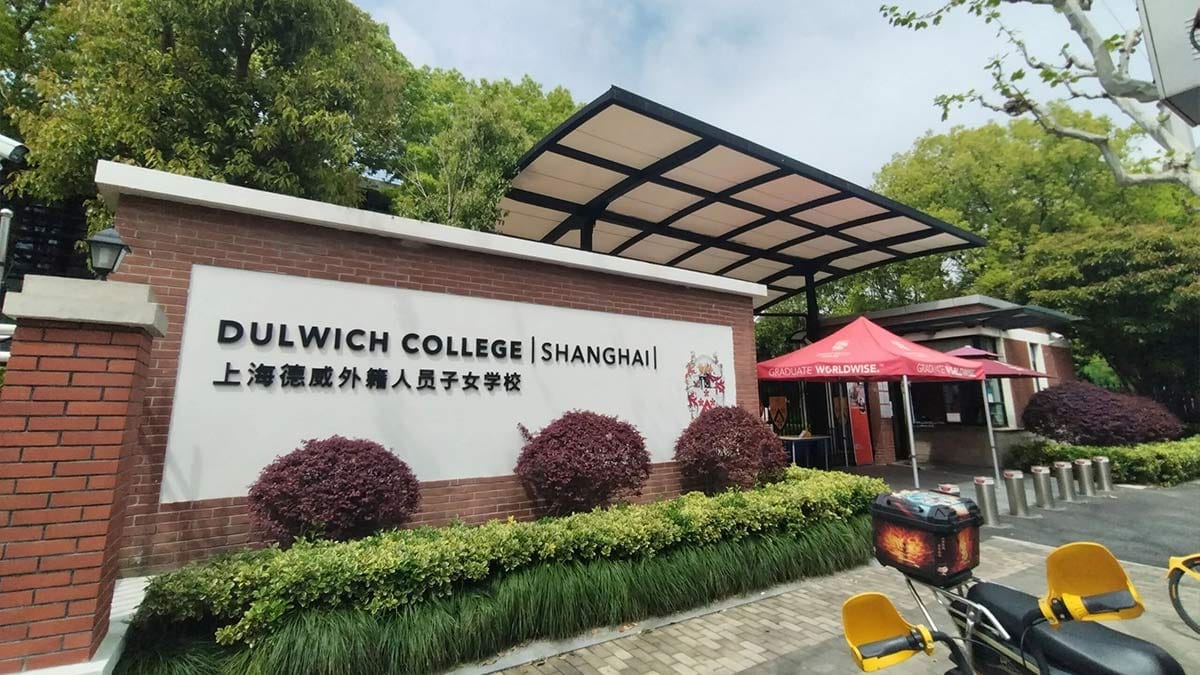
6. Dulwich College Shanghai Pudong — Shanghai
SCHOOL SNAPSHOT:
Type: International Expat
Location: Shanghai, Pudong
Curriculum: British/IGCSE/IB
Grade Levels: Toddler–Year 13
Boarding: Yes — full and weekly boarding available
Basketball Leagues: SISAC, ACAMIS, FOBISIA
Girls' Basketball Program: Yes — SISAC East Division champions
Annual Tuition: ¥274,000–399,750 ($38,000–55,000); boarding additional ¥80,000–120,000
Accreditation: IBO, COBIS, CIS
WHY THIS SCHOOL RANKS #6:
Dulwich College Shanghai Pudong offers something special. It has a real boarding program for senior students. This is great for families who travel often. It’s also a good choice for students who want a deeper school experience. The basketball program has had great success. The D1 Girls team won the SISAC East Division championship. Meanwhile, the D1 Boys finished 2nd in the same division. The D2 Boys also placed 2nd, and the D2 Girls placed 3rd in their respective divisions.
The school’s athletic program features more than 50 teams in different sports. It belongs to SISAC, ACAMIS, and FOBISIA. These memberships provide many chances to compete. Coach Elle Coughlan has led the girls' and boys' basketball teams. Coach Luke Devlin led the D1 Boys team. They had a great SISAC campaign. The 1,600-student body represents 40 different nationalities, creating a genuinely global environment.
The boarding program makes a big difference for families. It helps them decide to move from Latin America. Students can live on campus during the week. They can join evening study halls and supervised activities. On weekends, they can go home or stay full-time if their parents are traveling. This structure gives stability. It also provides continuity. Day schools can’t offer this for busy families.
HEAD COACH: Elle Coughlan (Girls program); Luke Devlin (Boys D1 program).
KEY FACILITIES
Indoor sports hall with a basketball court. There’s a 25-meter swimming pool and outdoor sports pitches. A fitness center is available. Boarding facilities are also offered.
COMPETITION RECORD (2023-2026)
- D1 Girls: SISAC East Division Champions
- D1 Boys: SISAC East Division 2nd place
- D2 Boys: 2nd place
- D2 Girls: 3rd place
ACADEMIC PROFILE FOR STUDENT-ATHLETES
IGCSE and IB Diploma programs are available. There is also a boarding option. This helps students with families who travel or live outside Shanghai.
BEST FOR
Families want boarding. They need strong basketball. They want a flexible British curriculum with IB.
7. The British School of Beijing, Shunyi (BSB)—Beijing
SCHOOL SNAPSHOT:
Type: International Expat
Location: Beijing, Shunyi District
Curriculum: British/IGCSE/IB Diploma/A-Level
Grade Levels: Pre-Nursery–Year 13
Boarding: No—day school only
Basketball Leagues: ISAC, ACAMIS, FOBISIA, Nord Anglia Global Games
Girls' Basketball Program: Yes — competitive
Annual Tuition: ¥239,590–350,267 ($33,000–49,000)
Accreditation: IB, ISI, COBIS, IAPS
WHY THIS SCHOOL RANKS #7:
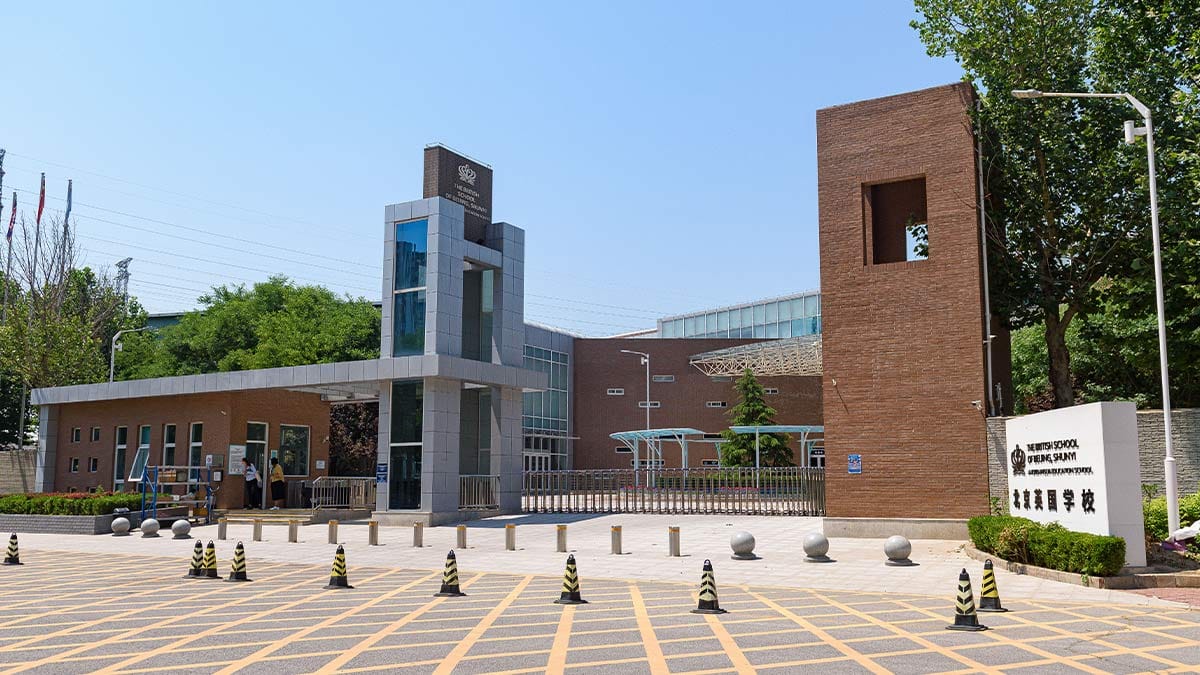
BSB Shunyi is part of the Nord Anglia Education network. It has more than 80 schools worldwide. Students can join global competitions. They can also take part in exchanges and the Nord Anglia Global Games. The school’s basketball program plays in ISAC, ACAMIS, and FOBISIA. It is improving steadily in competitions. In February 2023, BSB Shunyi held the U19 ISAC Division 2 Boys Basketball Tournament. It was an exciting event for young athletes. They finished in 3rd place. The girls' team also took 3rd place at the ISAC Division 2 Girls competition.
The school offers many facilities. These include a sports hall that can be used for different activities. There is also an indoor heated swimming pool. You’ll find indoor basketball courts and an outdoor full-size football pitch. Plus, there is a sports dome with air filtration for use all year round. BSB students are part of Nord Anglia. They work with top schools like Juilliard for performing arts. They also team up with MIT for STEAM programs. This variety of opportunities helps their athletic growth, too.
Nord Anglia’s Global Games gather student-athletes. They compete around the world. BSB basketball players play teams from Singapore, Bangkok, and Dubai. This network access is exclusive to Nord Anglia schools. It offers a big advantage for driven athletes.
HEAD COACH
Mr. Pardina coached the boys' team. Ms. Downes coached the girls' team. They both worked during the 2023 ISAC campaign.
KEY FACILITIES
Multi-use sports hall, indoor basketball courts, air-filtered sports dome, indoor swimming pool.
COMPETITION RECORD (2023-2026)
U19 ISAC Div 2 Boys 3rd place (host, Feb 2023); U19 ISAC Div 2 Girls 3rd place (2023).
ACADEMIC PROFILE FOR STUDENT-ATHLETES
The British curriculum leads to IGCSE. Then, students can choose the IB Diploma or A-Level. The Nord Anglia global network offers many benefits, too.
BEST FOR
Families in the Nord Anglia network want a British curriculum. They also want basketball in Shunyi, an expat area of Beijing.
8. Shekou International School (SIS) — Shenzhen
SCHOOL SNAPSHOT:
Type: International Expat
Location: Shenzhen, Nanshan District (three campuses)
Curriculum: AP/IB
Grade Levels: Nursery–Grade 12
Boarding: No—day school only
Basketball Leagues: CISSA, ACAMIS, SISAC
Girls Basketball Program: Yes—competitive
Annual Tuition: [Contact school for current rates]
Accreditation: WASC
WHY THIS SCHOOL RANKS #8:
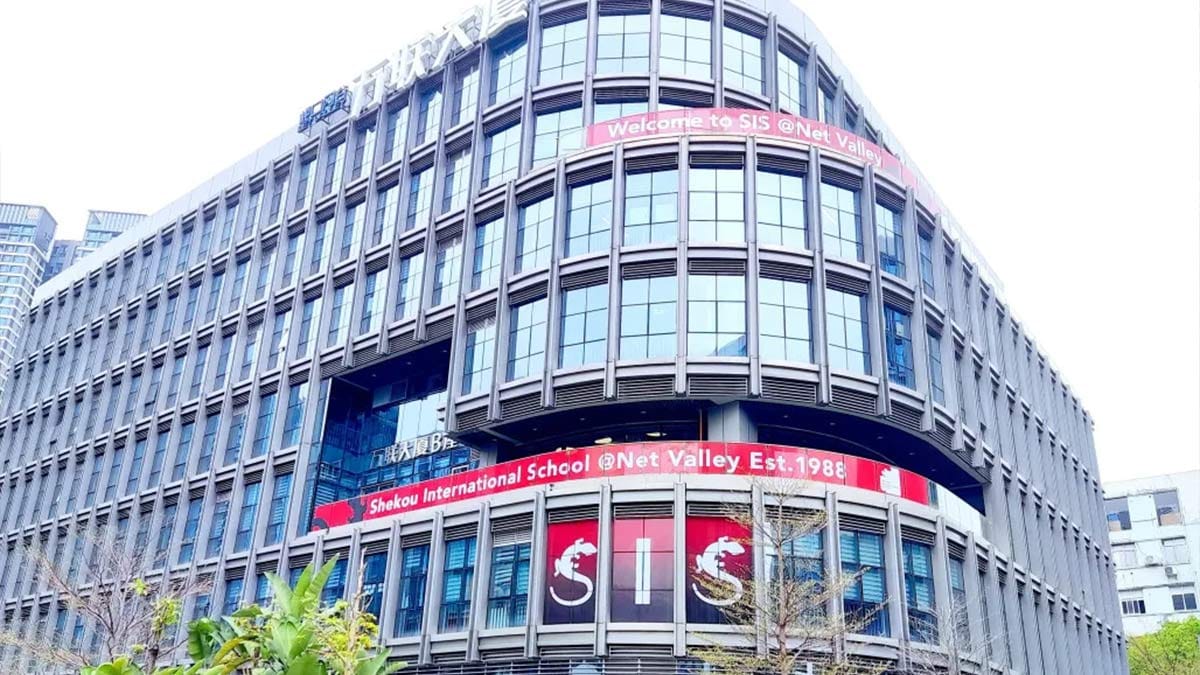
SIS is the oldest international school in Shenzhen. It has three purpose-built campuses for different age groups in Shekou. The Jingshan campus has indoor gyms. It also has basketball courts for early learners. The Bay campus is for grades 1-5. It has a gym and a basketball court. The Net Valley campus serves grades 6-12. It offers flexible learning spaces and athletic facilities. The school takes part in CISSA, ACAMIS, and SISAC. Families in Shenzhen have many options for competition.
Shenzhen is a key tech and trade hub. It attracts many international families. SIS is the best choice for students who love basketball. The school is rebuilding its athletics program. A new athletics and activities website is on the way.
Shenzhen is China’s Silicon Valley. It hosts Huawei, Tencent, DJI, and many tech startups. This has led to a fast-growing expatriate community that SIS serves. The city’s warm climate lets students play outdoor basketball all year. The school has three campuses. Each one has facilities that fit different age groups.
HEAD COACH
[Note: Specific head coach names may not be confirmed as of 2026. Please check directly with the school.]
KEY FACILITIES
There are many gyms and basketball courts on three campuses. The Net Valley campus feels like a college. It has design centers and recording studios.
COMPETITION RECORD (2023-2026)
CISSA, ACAMIS, and SISAC regular competitor.
ACADEMIC PROFILE FOR STUDENT-ATHLETES
AP and IB options; strong university placement support.
BEST FOR
Families in Shenzhen want an international school. They need one with basketball. It should be part of the CISSA and SISAC circuits.
9. International School of Tianjin (IST) — Tianjin
SCHOOL SNAPSHOT:
Type: International Expat
Location: Tianjin
Curriculum: IB
Grade Levels: Early Years–Grade 12
Boarding: No—day school only
Basketball Leagues: ISAC, ACAMIS, ISCOT
Girls' Basketball Program: Yes — ACAMIS champions (2022-23)
Annual Tuition: [Contact school for current rates]
Accreditation: [Verify with school]
WHY THIS SCHOOL RANKS #9:
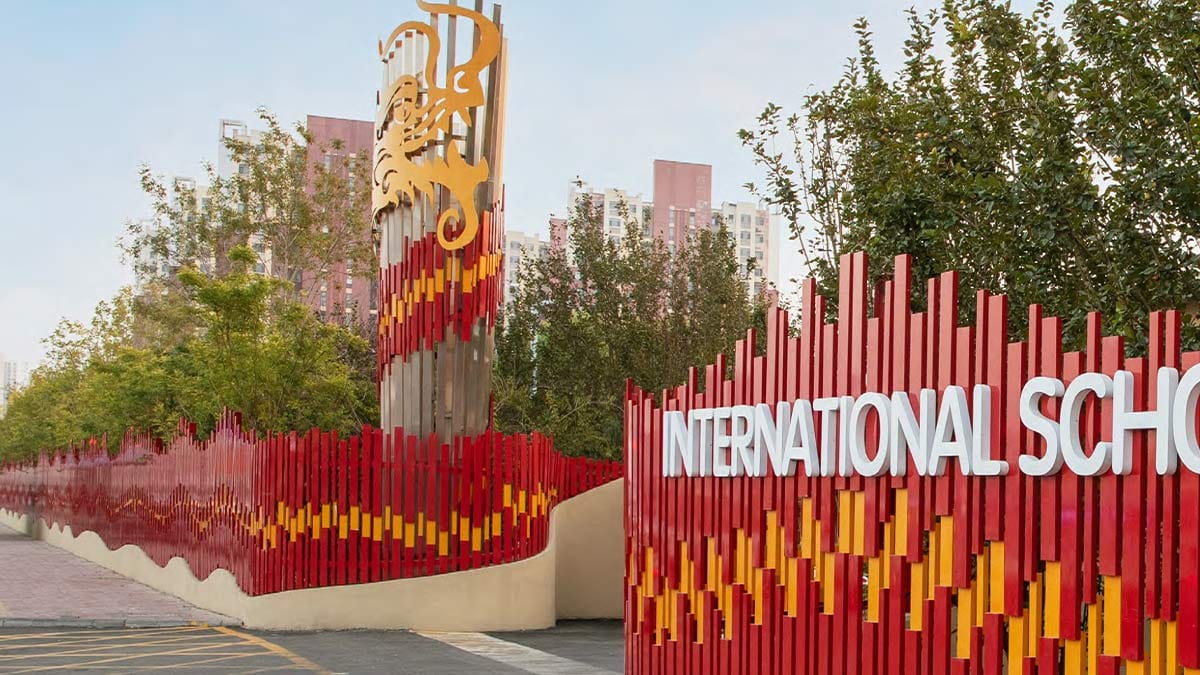
IST is one of the four original founding members of ACAMIS, established in 1998. IST has a long history in Chinese international school sports. This gives it a strong competitive culture. Newer schools are still trying to build this. The school’s girls' basketball team had a fantastic ACAMIS Championship. It was a great season in 2022-23. The girls' team lost only one game all year. This shows how strong the program is. The boys' program also competes in ISAC and ISCOT, the local league in Tianjin.
IST’s athletics department has three leagues. ISCOT is for local contests in Tianjin. ISAC is for regional games in Beijing and Tianjin. ACAMIS is for national tournaments. The school plays a key role in ACAMIS, giving it strong influence over the league’s growth.
Tianjin has a much lower cost of living for families compared to Beijing. Plus, it’s just 30 minutes away by high-speed train. IST is a great choice for families in either city. It offers competitive basketball without the high housing costs found in Beijing.
HEAD COACH
Coach Tara and Coach Diegel lead the high school basketball program.
KEY FACILITIES
Competition gyms for hosting ISAC and ISCOT events.
COMPETITION RECORD (2023-2026)
- HS Girls are ACAMIS Champions for 2022-23.
- They lost just one game all season.
- They regularly compete in ISAC and ISCOT.
ACADEMIC PROFILE FOR STUDENT-ATHLETES
Full IB program with university counseling.
BEST FOR
Families in the Tianjin area should look at the girls' basketball team. It offers a strong program. It has a history of success and is part of ACAMIS.
10. Nanjing International School (NIS) — Nanjing
SCHOOL SNAPSHOT:
Type: International Expat
Location: Nanjing
Curriculum: IB (PYP, MYP, DP)
Grade Levels: Early Years–Grade 12
Boarding: No—day school only
Basketball Leagues: ACAMIS (Orange Division)
Girls Basketball Program: Yes—competitive
Annual Tuition: [Contact school for current rates]
Accreditation: IBO
WHY THIS SCHOOL RANKS #10:
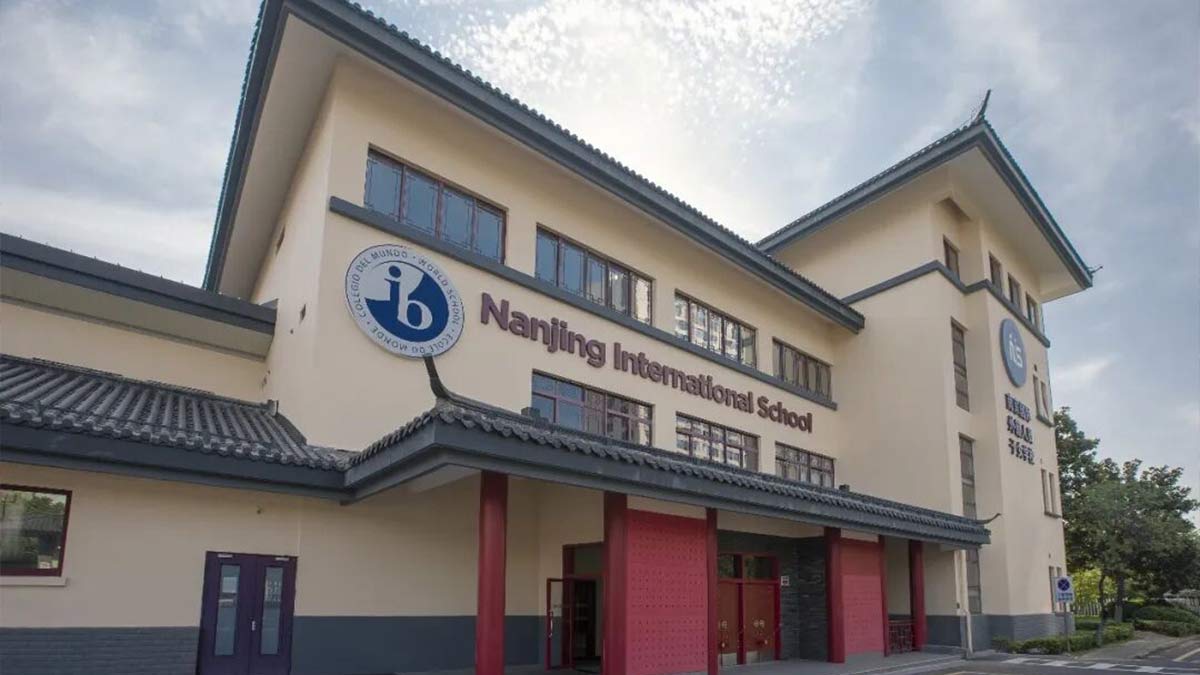
NIS is a full IB World School. It's also a member of ACAMIS. The school competes in the Orange Division for volleyball, basketball, and football. The school held the 2024 ACAMIS Chinese Conference. This showed strong skills. It also showed the school’s good reputation in the community. Nanjing has a lower cost of living for families than Shanghai or Beijing. It also gives access to ACAMIS-level competition.
NIS has a broad sports exchange program. It connects with schools near and far, including local and Chinese ones. The school is in Nanjing. This city in China has over 9 million people. It is very important in history. Nanjing offers a lively culture for international families. Nanjing sits on the Yangtze River and was once a capital. This gives it a unique cultural identity that many expat families like.
HEAD COACH
[Note: Head coach names might not be confirmed as of 2026. Please check with the school for updates.]
KEY FACILITIES
Competition facilities for ACAMIS Orange Division events.
COMPETITION RECORD (2023-2026)
ACAMIS Orange Division regular competitor.
ACADEMIC PROFILE FOR STUDENT-ATHLETES
Full IB continuum with a strong international school network.
BEST FOR
Families want ACAMIS-level basketball. They seek a cheaper city with strong Chinese culture. A full IB education is also important.
Category B: Bilingual Private Schools
11. Beijing Keystone Academy — Beijing
SCHOOL SNAPSHOT:
Type: Bilingual Private
Location: Beijing, Shunyi District
Curriculum: Bilingual Chinese-English / IB Diploma
Grade Levels: Primary–Grade 12
Boarding: Yes—required from Grade 9 (full boarding)
Basketball Leagues: ISAC, ACAMIS
Girls Basketball Program: Yes—competitive
Annual Tuition: ¥289,800–323,950 ($40,000–45,000)
Boarding + Meals: ¥110,250
Accreditation: WASC
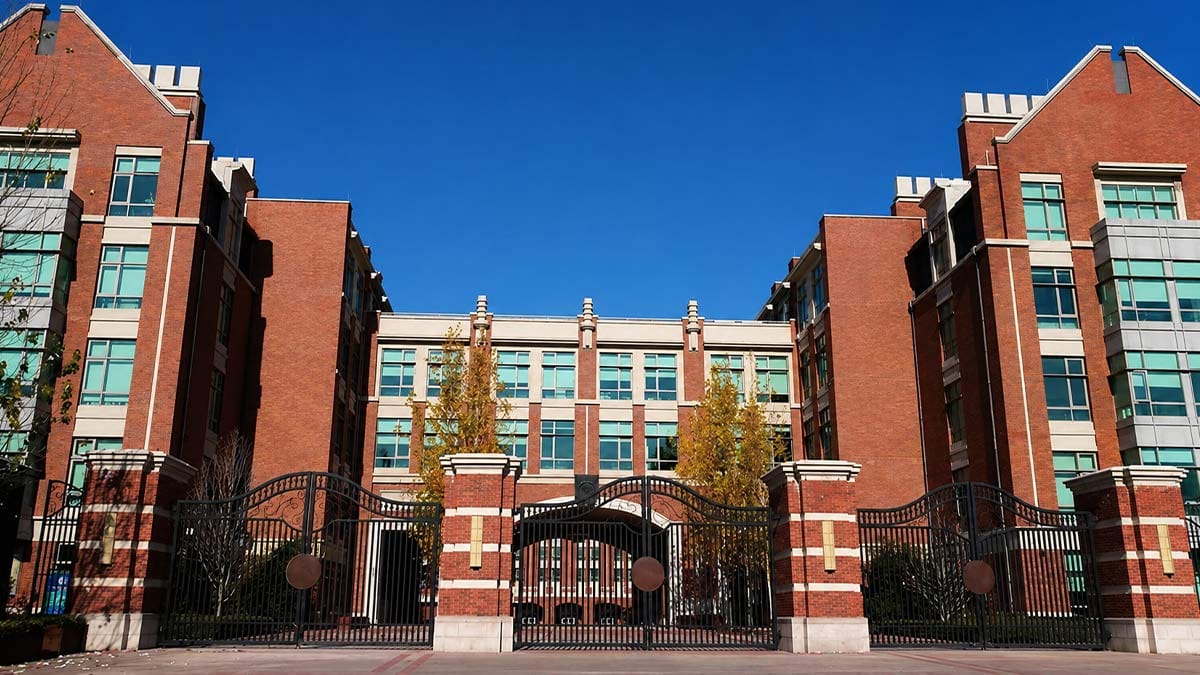
WHY THIS SCHOOL RANKS #11:
Keystone Academy is China’s best bilingual boarding school. It competes at the highest level in sports, too. Students board in Grade 9. This creates a strong space. Basketball training lasts longer than after school. Keystone has basketball. Teachers are coaches. They coach basketball. They also coach soccer. They coach swimming and volleyball too.
The school has great facilities for sports. It is in ISAC and ACAMIS. This means students can compete with top international schools often. Keystone had the 2025 ACAMIS Badminton Invitational. It will have basketball in January 2026. The bilingual immersion model teaches Chinese and English. Students speak Mandarin well. They also have native-level English. This helps them enter Chinese and international universities.
The boarding requirement from Grade 9 is Keystone’s defining characteristic. Keystone is different from schools with optional boarding. Here, you must board. This makes a 24/7 community. You learn, play sports, and grow every day. Evening study halls have teachers. Weekend programs have sports. There are fun activities, too. Community service happens as well.
HEAD COACH
Teachers serve as coaches across sports. [specific basketball coach names could not be independently verified].
KEY FACILITIES
Boarding campus with extensive athletic facilities; weekend programs include intramural sports tournaments.
COMPETITION RECORD (2023-2026)
ACAMIS competitor; scheduled host for ACAMIS Green Division Basketball (Jan 2026).
ACADEMIC PROFILE FOR STUDENT-ATHLETES
The bilingual Chinese-IB program and mandatory boarding from Grade 9 create extended training opportunities.
BEST FOR
Families looking for deep Mandarin immersion will find it here. They can play competitive basketball too. Plus, they can enjoy a true boarding school experience in China.
12. Wellington College International Shanghai—Shanghai
SCHOOL SNAPSHOT:
Type: Bilingual Private (Note: also accepts foreign nationals; verify eligibility.)
Location: Shanghai, Pudong (New Bund area)
Curriculum: British/IGCSE/A-Level/IB Diploma
Grade Levels: Ages 2–18
Boarding: No—day school only (all students must live with at least one parent)
Basketball Leagues: SISAC, ACAMIS
Girls Basketball Program: Yes—competitive
Annual Tuition: ¥292,400–391,000 ($41,000–54,000)
Accreditation: IBO, COBIS, CIS, ACAMIS, FOBISIA
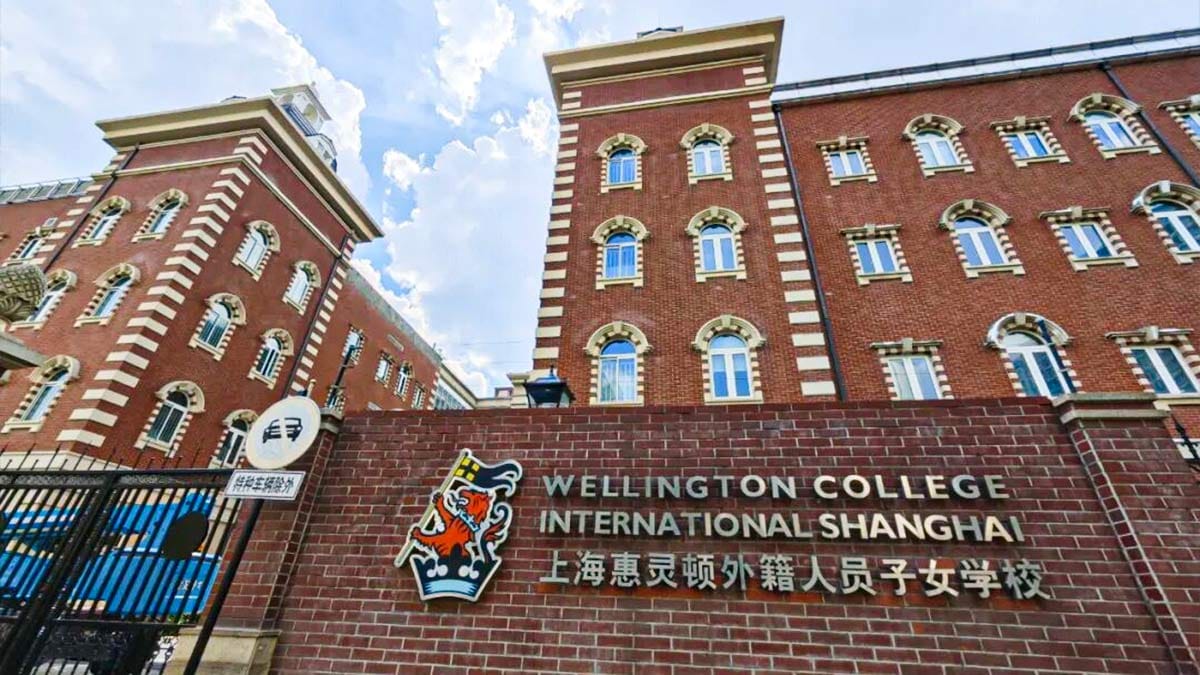
WHY THIS SCHOOL RANKS #12:
Wellington College International Shanghai is a leading British school in Asia. It has more than 1,600 students. The school has great facilities. The school has great sports facilities. These include a sports dome. There is also a multi-purpose sports hall. Outdoor courts are available for netball, basketball, and tennis. The school has a 400-meter all-weather running track. It also features a 25-meter swimming pool with six lanes for competitions. Wellington gives sports scholarships. They are for athletes. You can get free tuition or coaching help.
The school follows the English National Curriculum. Students do IGCSE. Older students can choose A-Level or IB Diploma. Wellington is in SISAC and ACAMIS. This lets it play basketball with top schools in Shanghai. It also joins national tournaments. The Wellington brand is key for UK university admissions. The school connects with Wellington College in England. It also links to other top British schools.
HEAD COACH
[Note: Specific head coach names may not be verified as of 2026. Please confirm directly with the school.]
KEY FACILITIES
- Indoor sports dome
- Multi-purpose sports hall
- Outdoor basketball courts
- 400-metre track
- 25m competition pool
COMPETITION RECORD (2023-2026)
SISAC and ACAMIS regular competitors.
ACADEMIC PROFILE FOR STUDENT-ATHLETES
IGCSE, A-Level, and IB Diploma options; sports scholarships available.
BEST FOR
Families want a top British curriculum. They look for sports scholarships. They also want great facilities in Shanghai’s New Bund area.
13. Vanke Meisha Academy — Shenzhen
SCHOOL SNAPSHOT:
Type: Bilingual Private
Location: Shenzhen, Yantian District (Dameisha)
Curriculum: AP / Canadian
Grade Levels: Grades 9–12
Boarding: Yes—available
Basketball Leagues: SISAC, ISL, Pearl River Conference
Girls Basketball Program: Yes—competitive boys and girls teams
Annual Tuition: ¥270,000 ($37,500);
Accommodation: ¥18,000
Accreditation: [Verify with school]
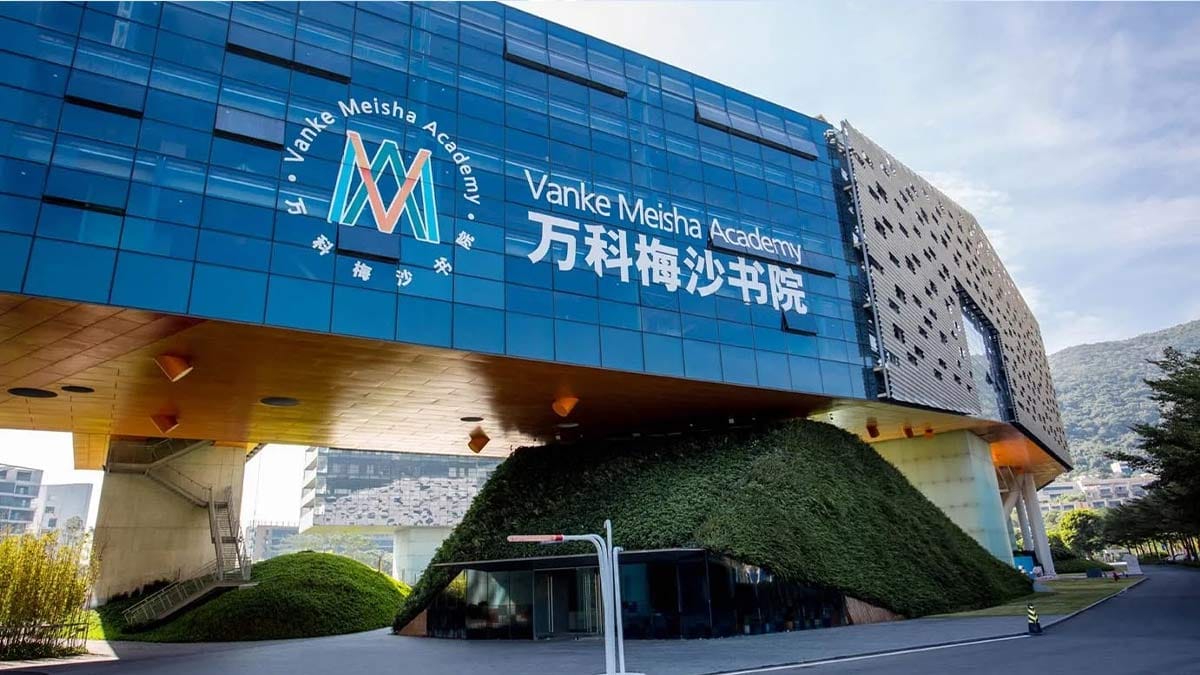
WHY THIS SCHOOL RANKS #13:
Vanke Meisha Academy (VMA) has created one of Shenzhen’s top athletic programs. This is thanks to its Sharks Sports League (SHARKS), which started in 2018. The league has teams for boys and girls. There are eight sports. They are basketball, football, volleyball, badminton, frisbee, cross-country, tennis, and rowing. VMA competes in the ISL, SISAC, and PRC. This gives students many chances to compete. They play against schools in Shenzhen and the Pearl River Delta.
The 2024-25 year was a “breakthrough year” for the Sharks. The basketball program was strong. The league also grew in many ways. VMA’s athletics philosophy is clear. It values preparation. Winning fairly is important. Learning from losses helps us grow. Perseverance matters. Sportsmanship is key. The school is in the lovely Dameisha area of Shenzhen. It has a beautiful coastal view.
VMA is part of the Vanke education ecosystem. This is one of China’s biggest private education providers. VMA has resources that smaller independent schools can't match. It also has strong connections that those schools lack. The Sharks Sports League focuses on many sports. This helps students be well-rounded athletes. They won’t just play basketball. Research shows that playing different sports cuts injury risk. It also helps athletes grow over time.
HEAD COACH
Joel Jackson serves as athletics director; multiple coaches lead the Sharks basketball program.
KEY FACILITIES: On-campus athletic facilities for basketball, football, volleyball, and other sports.
COMPETITION RECORD (2023-2026)
ISL, SISAC, and Pearl River Conference regular competitor; breakthrough achievements in 2024–25.
ACADEMIC PROFILE FOR STUDENT-ATHLETES: AP and Canadian curriculum tracks.
BEST FOR
Families in Shenzhen want a full sports program. They want competitive basketball in ISL and SISAC.
14. Hangzhou International School (HIS) — Hangzhou
SCHOOL SNAPSHOT:
Type: International Expat
Location: Hangzhou
Curriculum: IB (PYP, MYP, DP)
Grade Levels: Early Years–Grade 12
Boarding: No—day school only
Basketball Leagues: ACAMIS (Green Division), SISAC, HISAC, CISSA
Girls Basketball Program: Yes — developing program
Annual Tuition: ¥222,500–275,000 ($31,000–38,000)
Accreditation: IBO
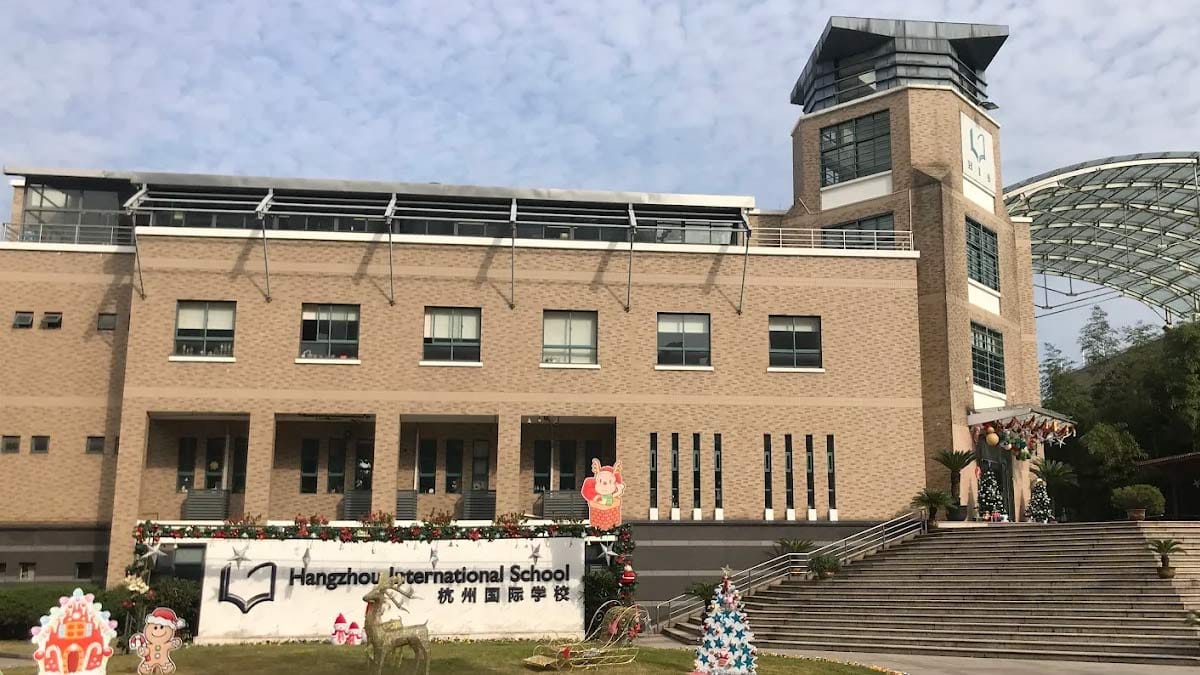
WHY THIS SCHOOL RANKS #14:
HIS started with just 9 students. Now, it has over 1,000 students from more than 50 nationalities.
The school competes in several leagues:
- ACAMIS Green Division for core sports
- SISAC for Shanghai-area events
- HISAC for local competitions in Hangzhou
- CISSA for international school sports across China.
In the 2024-25 season, HIS boys’ varsity basketball won at Ningbo and HISAC. Four boys’ teams went to the CISSA competition. They played their best basketball there.
The school’s girls' basketball program is growing. In the 2024-25 season, girls began slowly but became more committed as the year went on. Many players wanted to keep attending practices even after the season ended. HIS will join the SCISAC Conference for under-15 athletes in 2025-26. This will give middle school students more ways to compete. HIS held the ACAMIS Football Tournament in March 2025. This proved it can organize big sports events.
Hangzhou is one of China’s most beautiful cities. It’s known for West Lake, a UNESCO World Heritage site. This makes it a great spot for families seeking a high quality of life away from the hustle of Shanghai or Beijing. The city is home to Alibaba. It also has other tech firms. This creates job opportunities in technology.
HEAD COACH
[Note: Check with the school to confirm head coach names. They could not be verified as of 2026.]
KEY FACILITIES
“The Wave” swimming pool and climate-controlled athletic facilities; capacity to host ACAMIS tournaments.
COMPETITION RECORD (2023-2026)
- Boys' varsity wins at Ningbo and HISAC tournaments (2024-25).
- Four CISSA boys' teams (2024-25).
- ACAMIS Green Division member.
ACADEMIC PROFILE FOR STUDENT-ATHLETES
Full IB continuum; rapidly growing school with expanding athletic opportunities.
BEST FOR
Families in Hangzhou or the Yangtze Delta want a growing IB school. They should find one with more basketball programs. It’s great if the school has several league memberships too.
15. HD Beijing School — Beijing
SCHOOL SNAPSHOT:
Type: Bilingual Private
Location: Beijing, Chaoyang District (Dongba Campus)
Curriculum: AP / A-Level
Grade Levels: Kindergarten–Grade 12
Boarding: [Contact school]
Basketball Leagues: Independent leagues, ISAC
Girls Basketball Program: Yes
Annual Tuition: [Contact school for current rates]
Accreditation: [Verify with school]
WHY THIS SCHOOL RANKS #15:
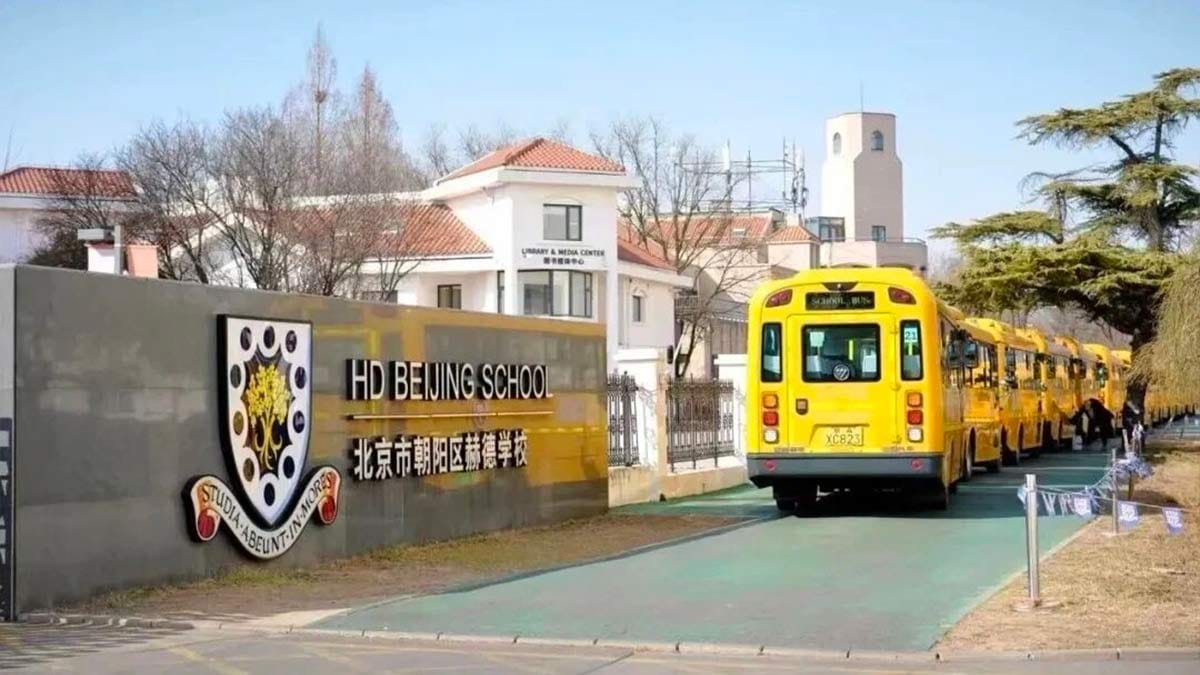
HD Beijing School has a dome sports hall with basketball and badminton courts. It also features a swimming pool at its main Dongba campus. The school offers a bilingual setting with a solid focus on Chinese and English. It also includes AP and A-Level courses for high school students. HD Beijing’s basketball program is newer than those at Tier 1 schools. However, it has modern facilities and a bilingual approach. This makes it a good choice for families. They want Chinese-English immersion and competitive sports.
The school offers after-school activities in sports, arts, and music. The dome sports hall is great for basketball. Students can practice all year, no matter the weather in Beijing. HD Beijing provides bilingual education and basketball. It might be less expensive than Tier 1 schools. We can't confirm the tuition costs.
HEAD COACH
[Note: Specific head coach names may not be confirmed as of 2026. Please check directly with the school.]
KEY FACILITIES
Dome sports hall with basketball courts and swimming pool.
COMPETITION RECORD (2023-2026)
Participation in independent leagues [specific verified tournament results could not be located].
ACADEMIC PROFILE FOR STUDENT-ATHLETES
Bilingual Chinese-English with AP and A-level options.
BEST FOR
Families want bilingual education and basketball in Chaoyang. They may find lower-cost options than Tier 1 schools.
Coaching Excellence
Where China’s International School Coaches Come From
China’s top international and bilingual schools have four sources for coaches. NCAA veterans are past college players and coaches. They come from Division I, II, and III. They know American training methods. They understand recruiting. Families trust them for college basketball. These coaches know NCAA rules. They know what recruiters want. They help families with recruitment.
CBA and NBL professionals are former players and coaches from China. They offer great insights into local basketball. They know FIBA rules well. Plus, they have strong connections to China’s development paths. They know Chinese basketball. This helps families plan for the future in China or Asia.
European league veterans share new basketball ideas. They focus on tactics. They use EuroLeague training. Basketball IQ is key. Team chemistry is vital. Skills matter more than athleticism. FIBA coaches are certified. They offer resources. These are clinics, courses, and networks.
International schools pay well for expatriate coaches. They offer housing and health insurance. Coaches get flights home every year. They also receive tuition benefits for their kids. These packages are great. China’s low cost of living for expats makes coaching jobs at top schools even more appealing. They pay well compared to similar roles in many Western countries. A head basketball coach at an international school in Shanghai or Beijing makes $60,000 to $120,000 USD per year. The salary depends on experience and the school’s tier. Benefits are also included.
Coach Spotlights
Elle Coughlan — Dulwich College Shanghai Pudong: Coach Coughlan runs the girls' team. She also coaches the boys' team. She took the D1 Girls to a SISAC East Division championship. The D1 Boys finished in 2nd place. Her coaching philosophy emphasizes team unity, dedication, and character development alongside competitive success.
Luke Devlin: Dulwich College Shanghai Pudong
Coach Devlin guided the D1 Boys basketball team through a successful SISAC season. They finished 2nd in the tough East Division.
Hannah Marshall: Dulwich College Beijing
Marshall is the director of sports. He runs the whole athletic program, including basketball. His teams recently came 2nd in both the boys' and girls' divisions at ACAMIS 2024.
Kirby Boychuk: Western Academy of Beijing
WAB’s Athletics & Activities The director oversees a program with 16 sports. There are basketball teams for boys and girls. They play at four levels.
Joel Jackson: Vanke Meisha Academy
As athletics director, Jackson has built the Sharks Sports League since 2018. It now offers eight sports. There is competitive basketball for both boys and girls.
Tara and Diegel: International School of Tianjin
These coaches guided the girls' basketball team to an ACAMIS Championship in 2022-23. The team lost just one game that season.
Girls' Basketball Coaching
Girls' basketball coaching in China's international schools is improving. But it isn’t steady. At the top programs—SAS, ISB, WAB, Concordia, and Dulwich—girls' teams have their own coaches. These coaches may also coach boys’ teams. Some focus only on the girls' program. FIBA’s push has helped girls’ basketball grow. It has made the sport more visible. Resources for girls' programs have also gotten better.
Concordia’s girls team qualified for the Jr. NBA program. IST’s girls won the ACAMIS Championship. These successes show that there are great chances for girls to compete. In small or new programs, girls' basketball is still growing. They share coaches. Families with daughters should ask schools: (1) Does the girls' team have a head coach? (2) How many practice hours per week are allocated? (3) What competitive leagues does the girls' team enter? (4) What is the recent competition record?
How Coaching Standards Are Evolving
More international school coaches in China are getting FIBA coaching licenses. Still, they are not common yet. Schools are investing more in coaching. They’re sending staff to FIBA clinics, NCAA conferences, and APAC or ACAMIS meetings. This investment is successful. Teams now use sports science to create better training plans. Student-athletes get ready to compete abroad.
Position-less basketball is a clear trend. This is true in schools with European coaches. All players learn ball-handling, passing, and shooting. Their size doesn’t matter. This method makes players more adaptable. They are better prepared for the modern game in college and pro levels.
Leagues, Tournaments & Championships
Major School Basketball Leagues in China
ACAMIS is the largest league. It has over 80 member schools. These schools are spread across eight color-coded divisions. Each division holds annual tournaments for volleyball, basketball, and football. There are also invitational events. These are for swimming, badminton, table tennis, and cross-country. Other sports join in too. The league's 2025-26 basketball schedule is from January 21 to February 7. All divisions will compete during this time.
APAC is highly competitive. It has around 15 top schools from Asia. They play in multi-sport tournaments. APAC basketball tournaments are tough. They help colleges pick players. Schools must be invited to join APAC. This depends on their academic standards. It also looks at their sports facilities. Their competition history matters too.
Championship Results (2023-2026)
[Note: Many tournament results from 2023 to 2026 could not be checked. Public sources did not verify these results. Parents should call each school or league office. They can get the full information there.
Individual Awards & All-Conference Honors
International school basketball in China gives out awards. MVP awards go to top players at ACAMIS, ISAC, and CISSA. There are Spirit of ACAMIS awards for sportsmanship. Coaches choose All-Tournament teams at the end of the season. The Spirit of ACAMIS award is very prestigious. Teams vote for the school that shows the best sportsmanship. They also look for dedication and a love for sport. XLIS (Xi’an) and CAIS (Changchun) both won Spirit Awards. They earned these at the ACAMIS basketball tournaments in 2025.
International school basketball gets more attention. It is featured in China Daily, That’s Shanghai, Time Out, and school magazines. The Jr. NBA program in Shanghai provides additional recognition for top-performing schools, with Concordia’s boys and girls teams both qualifying for the 2024-25 season.
Academics Meet Athletics
IB, AP, and A-Level — Protecting Academic Rigor
Top basketball schools in China plan their schedules for 10-15 hours a week. This time is for practice, travel, and competition. They keep academic standards high. The IB Diploma Programme has six subjects. Students must also take Theory of Knowledge and the Extended Essay. They need to complete Creativity, Activity, and Service (CAS). Athletics counts for CAS too. AP programs offer flexibility through course selection, allowing student-athletes to balance demanding schedules. A-Level pathways focus on 3-4 subjects. They can be the best choice for serious athletes looking for a flexible schedule.
Most schools have GPA minimums for sports eligibility. Usually, students need to keep a C average or higher in all subjects. Schools with strong academic-athletic cultures have study halls. They offer evening help. Parents get updates on sports. They also get updates on schoolwork.
The key to success is early planning. Students starting high school need a four-year plan. They must think about basketball. This will help them meet NCAA rules for US colleges. It will also help with UK requirements. Counselors at top schools help student-athletes. They give advice on key choices.
University Pathways for Student-Athletes
Graduates from China’s top international schools often join NCAA programs. They can choose Division I, II, or III. Many go to universities in Canada, Britain, Australia, or Europe. The IB Diploma is accepted at universities around the world. AP scores can earn course credit at many North American schools. A-Levels remain the gold standard for UK university applications.
Student-athletes in China have an edge. They compete against players from over 40 countries. This helps them adapt better. It also improves their basketball IQ. Coaches really like these skills. Alumni from WAB have attended NYU, McGill, and Brown, while graduates from SAS, ISB, and Dulwich regularly secure places at Ivy League, Big Ten, Pac-12, and ACC schools.
The NCAA Eligibility Question
The NCAA Eligibility Center views IB courses as core courses. This is true if they meet specific criteria.
Approved IB course titles include:
- English A: Literature
- English A: Language and Literature
- Mathematics: Analysis and Approaches
- Biology
- Chemistry
- Physics
- Economics
- Geography
- History
These courses are available at both higher and standard levels.
Physical education, dance, music, theater, and visual art do not count as NCAA core courses.
For student-athletes aiming for NCAA eligibility, key requirements are:
- Complete 16 NCAA-approved core courses in grades 9-12.
- Achieve the required minimum GPA in those courses.
- Earn qualifying SAT or ACT scores.
International families often make mistakes. They register too late with the NCAA. They forget to check if their school’s courses are approved. They might not know that the IB Extended Essay and Theory of Knowledge need special approval.
Families must register with the NCAA Eligibility Center by the end of Grade 11 (junior year). They should check if their school’s courses are on the NCAA-approved list. They also need to ask the IBO to send IB results directly to the eligibility center. Schools like SAS, ISB, and WAB have great counseling teams. They assist student-athletes. They help with the process.
From School Courts to Pro Careers
College Basketball Pipeline
Students at international schools in China find colleges in different ways. They make highlight films. They use NCSA or similar profiles. They go to showcase events like APAC and ACAMIS. They also reach out to college coaches. The advantage of the China-based pathway is the quality of competition — playing against diverse international opponents in APAC and ACAMIS tournaments demonstrates adaptability that US-based high school competition cannot replicate.
In China, recruiting services include NCSA (Next College Student Athlete) and private consultants. They help families with NCAA. This process can be tough. These services make it easy. The key is to prepare early. Students should make highlight reels by Grade 10. They must register with the NCAA Eligibility Center by grade 11. It’s also important to attend showcase events with college coaches.
Professional Pathways
China’s professional basketball landscape offers several potential pathways for talented youth. The CBA Youth Development League has games for U17 and U19 players. Some players have nationality limits. International students must follow different rules to register. The NBA-CBA partnership announced in October 2025 will create new development pathways for top Chinese prospects to participate in NBA elite programs.
International school students with career goals can explore options like:
- European leagues: Liga ACB in Spain, Turkish BSL, French Pro A juniors
- Asian leagues: B.League in Japan, KBL in Korea
They can also return home to compete in national leagues.
The Philippines’ PBA, Argentina’s Liga Nacional de Básquet, and Brazil’s NBB are solid choices. They welcome players who train in China’s international schools.
The South American Return Pathway
For Latin American families, training in China offers a unique value proposition. Players know three languages: Mandarin, English, and Spanish or Portuguese. This helps in basketball. They see Asian-style basketball. It’s quick and focuses on shooting. It uses different defense strategies. This style works with the strong play seen in South American training.
Maintaining national team eligibility while training abroad requires coordination with home-country federations. South American teams accept players from other countries. Players must have citizenship. They must go to camps when asked. The FIBA competition calendar includes age-group tournaments (U16, U18, U20) that allow China-based players to represent their home countries internationally.
The return pathway from China to South American professional leagues is increasingly viable. Players in China’s international schools learn tactics. They learn many styles. They also pick up languages. Clubs in Argentina, Brazil, and the Americas want them. Speaking Mandarin, English, and Spanish helps a lot. Chinese money is going into South American sports. This makes these languages even more important.
Guide for South American & Latin American Families
Why Latin American Families Are Choosing China
More Latin American professionals are moving to China. Their families are joining them. They seek work in many sectors. Argentine families come for mining. They seek farming tech and energy. Brazilian families focus on manufacturing. They invest in tech and trade. Professionals from Colombia and Peru work primarily in oil, mining, and infrastructure. Mexican leaders run supply chains. Chilean families manage cash. They sell wine. Dominican and Venezuelan nationals are showing up more. They are in trading and tourism.
The value proposition is clear. Higher tuition in China gives a trilingual education. It offers top basketball training. You also get credentials recognized by universities everywhere. This isn't available in South America, no matter the cost. Some families receive education allowances from their jobs. This is common in mining, tech, and executive moves. For them, the cost difference may be small.
Living in China gives Latin American kids many benefits. They see a busy economy. They learn about Chinese business culture. They make connections for their careers. Chinese investment in Latin America is rising. It covers mining, infrastructure, tech, and farming. Graduates who speak Mandarin will do well. Knowing Chinese culture helps a lot.
Language Support & Cultural Integration
Many schools in China offer English as an Additional Language (EAL) support. This is for students whose first language isn’t English. Spanish and Portuguese speakers usually need 6 to 12 months. This time helps them reach academic fluency in English. EAL specialists help with words. They aid in writing. They also help students join in class. Mandarin Chinese is a core subject at bilingual schools. At international schools, it is an option as a foreign language.
Latin American resources in major Chinese cities include the following:
- Chambers of commerce from CCPIT.
- Different business groups.
LatAmCham is the Latin American Chamber of Commerce. It is in Singapore. It connects with businesses in China. Specific community organizations vary by city and evolve regularly — families should contact their country’s embassy or consulate in China for current community contacts.
Shanghai has Latin American restaurants. So does Beijing. Both cities have cultural events. They also have social groups. Both cities have steakhouses from Argentina. They have churrascarias from Brazil. There are Mexican cantinas. Peruvian cevicherias are there too. The taste can change. Expatriate social media groups on WeChat and Facebook help families connect with others from their home countries. Major cities host annual Latin American cultural festivals celebrating music, dance, and cuisine.
Practical Enrollment Step-by-Step
1. Choose Target City and School Shortlist:
- Think about how close it is to the parent's job.
- Look at housing costs.
- Check the air quality.
- Assess the quality of the school basketball program.
Shanghai and Beijing offer the most established programs; Shenzhen is growing rapidly.
2. Check with schools about availability. Many have priority deadlines in February and March for entry in September. Popular grades fill early, particularly at Tier 1 schools. Begin inquiries 12-18 months before intended enrollment.
3. Prepare documents:
- Apostilled academic transcripts from previous schools
- Passport copies
- Medical/vaccination records
- Teacher recommendations
- Standardised test scores (if required)
- Proof of parent’s work visa or business registration in China
4. To apply for the X1 student visa, you need the following:
- The school’s JW201 or JW202 form (Confirmation Form for Study in China).
- A physical examination at a designated clinic.
- Proof of accommodation.
Processing typically takes 4-8 weeks.
5. Plan campus visit: Virtual tours are for families abroad. In-person visits should happen on school days. This way, you can watch classes and practices. Many schools hold “shadow day” events. Prospective students attend classes with current students. It’s a chance to see what it’s like.
- Find housing near school. Admissions offices have guides. Families pick apartments by bus routes. Housing costs vary dramatically by city and district.
South American nationals need to check visa rules. Do this at the Chinese embassy in their country. Some may have different X1 visa rules due to agreements.
Boarding, Safety & Student Wellbeing
Boarding Options
Five schools on this list offer boarding options:
- Keystone Academy (mandatory from Grade 9)
- Dulwich College Shanghai Pudong (full and weekly)
- Wellington College International Tianjin (full and weekly)
- Vanke Meisha Academy (available)
- HD Beijing School (check current status)
Boarding facilities have study halls. They are supervised. There are activities in the evening. Weekend trips take place. Pastoral care is provided.
Keystone’s boarding program is very complete. The fees for boarding and meals are ¥110,250 for the year. Students get mentors, called dorm parents. They also receive evening study help. On weekends, there are activities like cultural trips and intramural sports tournaments. Dulwich Pudong’s boarding costs an additional ¥80,000–120,000 annually. Boarding students usually share rooms with 1 to 3 roommates. Single rooms may be available for senior students.
Safeguarding & Pastoral Care
Schools in China follow CIS standards. They also follow COBIS rules for safety. These standards need staff with checks. They need safeguarding leads. There must be clear steps to report. Staff need training often. ISB has an athletic trainer. Most schools have nurses. They also offer physiotherapy and mental health help.
Concussion rules are the same in school leagues everywhere. ACAMIS needs medical help at all tournaments. Schools talk to overseas parents in different ways. They use parent portals, mobile apps, newsletters, and video calls. Boarding schools send weekly updates. They share news about well-being. They also report on grades and social skills.
Homesickness & Cultural Adjustment
The typical adjustment timeline for international students in China is fairly predictable.
- Weeks 1-4: They feel excited.
- Weeks 6-12: They face challenges as the novelty fades.
- Months 4-6: They begin to settle in.
Schools help with this transition in a few ways. They have buddy programs that match new students with returning ones. There are also cultural events that celebrate different nationalities. Plus, they offer counseling services for support.
Latin American students should keep ties to their home culture. They should also embrace their time in China.
Successful strategies are the following:
- Cooking familiar foods at home.
- Celebrating home-country holidays at school.
- Joining Latin American community events.
- Keeping regular video calls with family.
- Finding peer groups with other Spanish or Portuguese speakers.
Many students struggle at first. By the end of the semester, they find their way. They say this helps them grow stronger and see the world in new ways.
Families can keep their home culture alive in China. They can join expatriate groups. They can celebrate home-country holidays at school. Cooking familiar meals at home helps too. Video calls can connect them with extended family. The best transitions happen when families view China as an adventure. It’s better than seeing it as a hardship.
Costs, Scholarships & Financial Planning
Tuition Ranges
These figures reflect the 2025-2026 academic year tuition as published by schools. Most schools increase tuition by 3-5% annually.
Additional costs are:
- Application fees: ¥2,000–3,500
- Enrollment fees: ¥15,000–33,000
- Capital levies: ¥15,000–50,000
- Transportation: ¥12,000–26,000
- Uniforms
- Lunches
- Technology
- Examination fees
First-year costs often exceed published tuition by 15-25% due to these additional fees.
Scholarships & Financial Aid
Several schools on this list offer athletic scholarships recognizing exceptional sports ability. Wellington College International Shanghai has sports scholarships. They can pay for tuition. They might also offer coaching. Many schools offer merit and academic scholarships. You can also get athletic recognition. These can be combined. Relocation packages help expatriate families. They pay 80% to 100% of tuition.
External funding sources are:
- FIBA grants for promising youth players.
- Support from national federations in their home countries.
- Education funds from embassies.
Families should check with schools. They need to know about scholarship deadlines and requirements. These can change a lot. Athletic scholarships need proof of skill. You might need a coach’s recommendation. A tryout or assessment may be required too.
Hidden Costs
Basketball-related costs beyond tuition include:
- Gear and equipment: ¥2,000–5,000 each year for shoes, uniforms, and practice wear.
- Tournament travel fees: ¥3,000–15,000 per season, depending on the destination. ACAMIS tournaments need flights and hotels.
- Summer camp fees: ¥5,000–20,000.
- Private coaching: ¥300–800 per hour for sessions with professional coaches.
School-specific extras include technology fees, textbooks, uniforms, and bus transport. Living costs near top schools in Shanghai and Beijing are $2,000 to $5,000 each month. This is for family housing in popular expat compounds.
Families should set aside an extra $5,000–15,000 each year for basketball costs. This is in addition to living expenses, which can vary greatly by city. Shanghai’s Jing’an and Former French Concession districts have high rents. Beijing’s Shunyi District has more space. It has many top schools and costs less.
Summer Basketball Camps & Off-Season Programs
School-Run Summer Camps
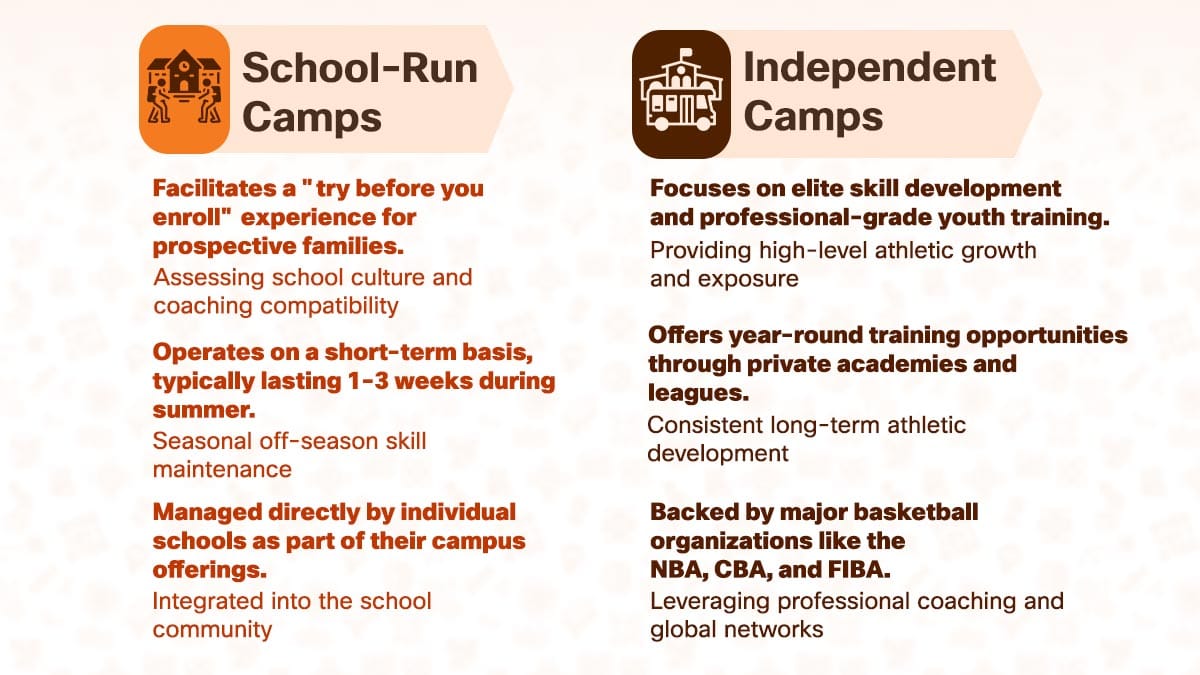
Many schools on this list have summer basketball camps. These camps are open to non-enrolled students. They offer a great chance to “try before you enroll.” These camps typically run 1-3 weeks in June-July and cost ¥5,000–20,000 depending on duration and intensity. Keystone Academy has a summer program. Dulwich has sports camps. SAS offers summer options. All have basketball. Contact individual schools directly for current summer program schedules.
Summer camps do many things. They let future students check out the school’s coaching style and facilities. They help current students work on their skills during the off-season. They also build community ties. This makes starting the school year easier. Families moving from Latin America can benefit from summer camp. It helps them see if a school’s culture and coaching style suit their child. This way, they can decide before enrolling fully.
Independent Basketball Camps
China has many basketball camps. NBA basketball schools are in several cities. CBA runs youth development camps. FIBA also has programs here. The NBA helps young basketball players in China. It runs the Jr. NBA program and Basketball Without Borders camps. It also has NBA basketball schools. The support is strong. The academy structure is changing, but help keeps coming. Private academies in major cities offer year-round training that can complement school-year programs.
The CBA has U17 and U19 leagues. Talented international students can join. It depends on their registration and nationality. FIBA’s Basketball Without Borders camps bring NBA coaches to China. They also have international coaches. The camps train young players. Families should check if the camp is open before enrolling. The status can change a lot.
Frequently Asked Questions
1. What are the best basketball schools in China for international students?
The top-tier schools are:
- Shanghai American School (AP, APAC)
- International School of Beijing (IB, ISAC/ACAMIS)
- Western Academy of Beijing (IB, APAC)
- Concordia International School Shanghai (AP, SISAC/Jr. NBA)
- Dulwich College Beijing (British/IB, ACAMIS)
All provide basketball for boys and girls. The facilities are great. Coaches have plenty of experience. Players can join many leagues. These schools do well in ACAMIS, APAC, and CISSA tournaments. They have great facilities. These help athletes and support learning.
2. How much do international basketball schools in China cost?
Annual tuition at top-tier schools is about $31,000 to $55,000 USD. There are also extra costs for boarding, activities, and living expenses. A family usually spends between $50,000 and $80,000 each year. This total includes housing and other costs. Bilingual private schools, like Keystone Academy, cost a lot. Wellington College is pricey too. Schools in Tianjin and Hangzhou are cheaper. Corporate relocation packages commonly cover 80-100% of tuition for expatriate employees.
3. Can my child get a basketball scholarship at a school in China?
Yes, some schools offer sports scholarships. Wellington College in Shanghai gives them to athletes. These scholarships can cover part or all of your tuition. They might also include extra coaching benefits. Corporate relocation packages also commonly cover 80-100% of tuition. Ask school admissions about scholarships. Check what you need to apply. Learn the tryout steps. Scholarships are typically awarded based on competitive achievement, coach assessment, and academic standing.
4. What age should my child start basketball training in China?
Most international schools start structured basketball in Grades 3 to 5. This is for ages 8 to 10. They offer it through after-school programs. Competitive team play usually begins in Grade 6, when students are 11. Students can join at any age. Schools place players on the right-level teams, no matter when they start. Middle school (grades 6-8) teaches basic skills. It lays the groundwork for play. High school (grades 9-12) shifts focus. Here, the emphasis is on team tactics and college prep.
5. Do international schools in China offer NCAA-eligible programs?
Yes—schools offering IB, AP, and accredited US curricula can provide NCAA-eligible coursework. The NCAA Eligibility Center accepts IB courses as core courses. This is true when they meet specific criteria. Families need to register with the NCAA Eligibility Center by junior year. They should check course approvals. Also, they must ask for IB results to be sent directly from IBO. Schools like SAS, ISB, and WAB have counseling teams. They help student-athletes with NCAA rules.
6. What basketball leagues do international schools in China compete in?
The major leagues include:
- ISAC: Beijing/Tianjin, about 15 schools
- ACAMIS: National, over 80 schools in China, HK, Macau, and Mongolia
- CISSA: Shanghai/national, more than 30 schools
- SISAC: Shanghai, over 20 schools
- APAC: Asia-wide, around 15 elite schools
- FOBISIA: British schools, Asia-wide, 40+ schools
Most competitive schools join 2-4 leagues at once. They get local rivalry games. They also have chances to play in national and international tournaments.
7. Are there Spanish-speaking basketball programs in China?
No school teaches basketball in Spanish. Some have staff who speak Spanish. They help Spanish and Portuguese speakers with EAL support. The Latin American expat community is growing in Shanghai and Beijing. Kids often get fluent in academic English in 6 to 12 months. Some schools offer Spanish as a world language. This lets students keep their native language and learn Mandarin too.
8. What visa does my child need to attend a basketball school in China?
Students need an X1 visa for studies longer than 180 days. To get this, they must provide:
- The school’s JW201 or JW202 form
- An admission letter
- A physical exam from a designated clinic
- Proof of accommodation
Processing typically takes 4-8 weeks. Parents typically hold work visas (Z visa) or dependent visas (S1). Students must apply for a residence permit within 30 days of arrival.
9. What is the difference between bilingual and international schools in China for basketball?
Expat international schools use foreign curricula. This includes IB, AP, and British. They have many foreign students. They compete in APAC and FOBISIA. Bilingual private schools take Chinese kids. They teach Mandarin. Tuition is lower. Keystone Academy is a bilingual school. SAS is an international school. Both have good basketball teams. They play in ACAMIS. International schools may offer more diverse student bodies, while bilingual schools provide deeper Mandarin immersion.
10. Can students at basketball schools in China go pro or join the CBA?
Pathways from international schools to CBA are few. This is due to nationality and registration rules. Graduates often get NCAA scholarships. They also find jobs in Europe, Asia, and their home countries. The NBA-CBA partnership is creating new development pathways for top prospects. Most international school students with professional aspirations target NCAA colleges first, then explore professional options in Europe, Asia, or their home countries.
11. Which city in China has the best basketball school programs?
Shanghai stands out. It has depth. SAS, Concordia, Dulwich Pudong, Wellington, and Huili all offer great basketball. Beijing follows with ISB, WAB, Dulwich Beijing, Keystone, and BSB Shunyi. Shenzhen is also growing rapidly with SIS and Vanke Meisha Academy. These cities lead because of their established ecosystems. Shanghai has many international schools. This gives it an advantage. It also has strong leagues like SISAC and CISSA. Beijing benefits from ISAC and the oldest international school community in China.
12. How do basketball programs in China compare to academies in Argentina or Brazil?
Chinese international schools offer diverse competition. You’ll face teams from over 40 countries. They teach in both English and Mandarin. They also guide you to NCAA and global universities. This level of international integration is less common in South American school systems. South American school programs focus on local federation play and skill development. They provide pathways to national teams. But they often miss out on academic and global exposure. China’s international schools offer a special mix of top academics and strong basketball.
13. Are basketball schools in China safe for foreign children?
China’s major cities are some of the safest places in the world for foreign families. They have low violent crime rates and solid public safety systems. International schools keep students safe with CIS and COBIS standards. They need on-campus security. Controlled access is also required. Clear emergency plans must be in place. Boarding programs provide 24/7 supervision. Air quality in Beijing and Shanghai has improved a lot in the last ten years. The best schools use air filters that are as good as those in hospitals.
14. Do China’s basketball schools have strong girls' programs?
Yes—the top schools all field competitive girls' teams.
Recent successes are:
- Concordia qualified for the Jr. NBA.
- IST won the ACAMIS title.
- Dulwich Pudong secured the SISAC championship.
All have strong girls' teams, though depth varies by school. Families should check specific team schedules to choose the best options. The top programs provide dedicated coaches, equal practice time, and competitive leagues similar to the boys' programs. Furthermore, FIBA’s investment in women’s basketball continues to improve girls' programs across China.
Conclusion
China's private and international schools train in elite basketball. They play many teams. They also offer great academics. Students can choose IB, AP, or British curricula that feature Mandarin-English bilingual immersion. Their facilities are as good as university athletic departments. These schools offer more than sports for Latin American families. They provide trilingual education. They also give paths to global universities and links to a major world economy.
The decision framework is straightforward. Think about your child’s skill level. Do they need a developmental or elite basketball program?
Choose your curriculum:
- IB for a broad experience
- AP for flexibility
- British/A-Level for in-depth study
Choose your city based on work location and housing budget. Decide between day school or boarding based on family travel patterns. And align your budget with the reality that top-tier programs command premium tuition.
Use this ranking as a starting point, not a final answer. Contact 3-5 schools directly. Request virtual tours or campus visits. Ask to speak with current basketball families. If you can, observe a practice. The schools on this list will only get better. China’s investment in youth basketball is speeding up. The international school sector is growing, too. Each year, the link from school courts to college programs becomes stronger.
The court is open. The game is growing. And the opportunity for your child to develop as both a student and an athlete in China has never been better.
Related Articles
 Emmanuel Usang
 Emmanuel Usang
 Emmanuel Usang


Member comments