

Introduction
Education is changing fast. Students today need more than classroom lessons. They need real experience with new tools, new ideas, and new cultures. A study tour gives them all three. It blends learning, travel, and teamwork. Students gain skills that help them in school and later in life. They also build friendships that cross borders.
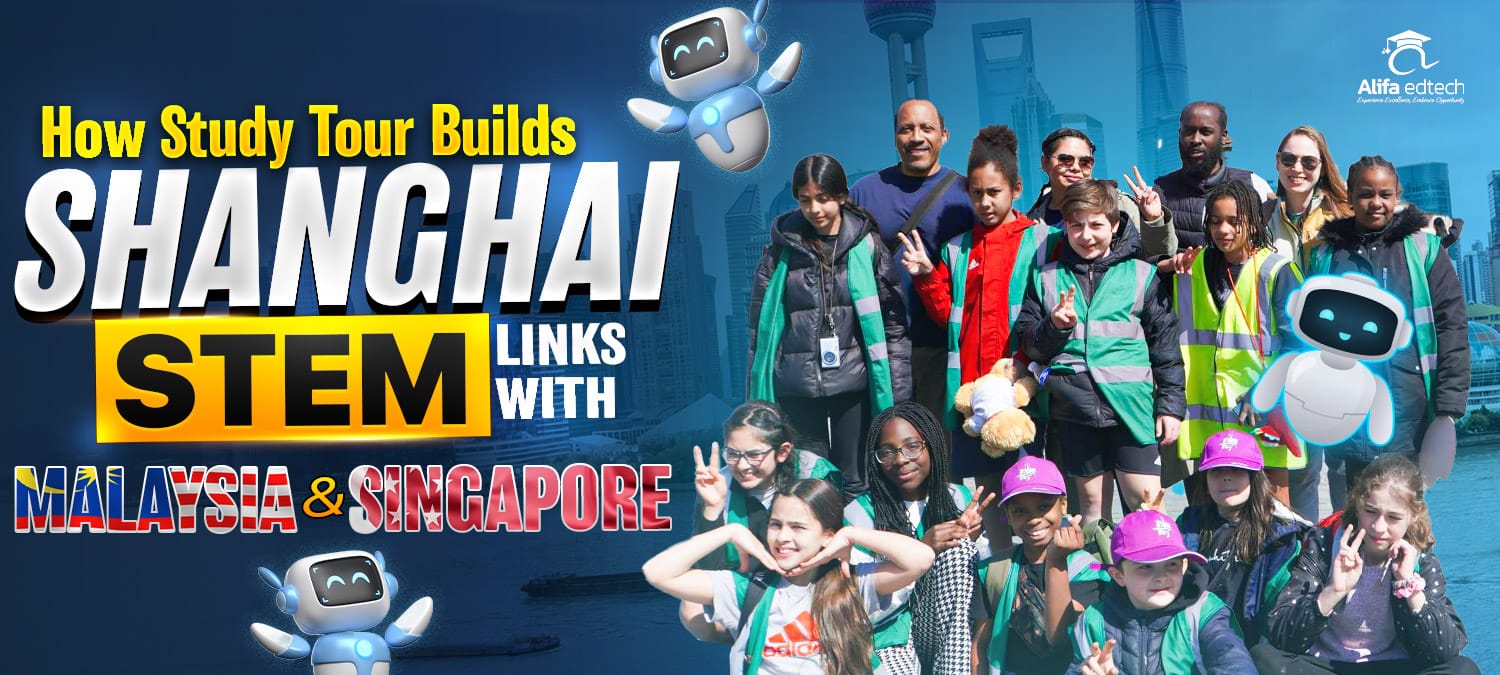
The IGB–ACS Shanghai Study Tour is a strong example of this. Two schools joined the plan. IGB International School came from Malaysia. ACS Independent came from Singapore. Their students spent ten days in Shanghai. They learned robotics and AI. They worked together in mixed-country teams. They explored Chinese culture. They built STEM links across three places: Shanghai, Malaysia, and Singapore.
This study tour was more than a normal school trip. It gave students real practice in robotics and coding. They used modern tools. They worked on projects every day. They used both creativity and logic. They learned to solve problems under pressure. They learned to work with students from other countries. These lessons prepare them for future STEM pathways.
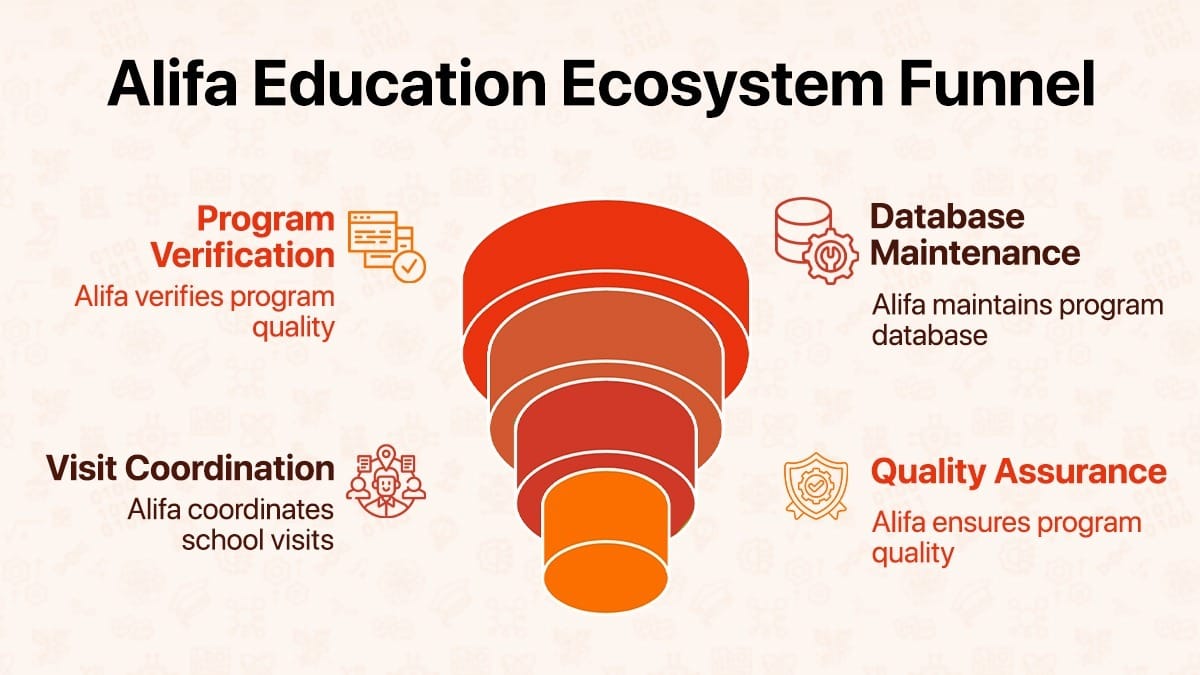
Want a safe, trusted way to connect your students with China-based STEM programs? Alifa Education Services works as the link between your school and verified host schools in Shanghai.
We check every program for quality, match you with the right partners, and support you from booking, execution to program completion. Get in touch for a free consultation and explore our Shanghai study tour programmes for Malaysia and Singapore.
Introduction to the Study Tour Programme
The Shanghai study tour brought two schools together with one goal: stronger STEM learning. IGB International School and ACS Independent school partnered for a shared experience. Their students joined a ten-day program at the WhalesBot AI Centre, located in Shanghai’s Minhang District.
The plan had clear and simple targets:
- Learn robotics through real practice
- Build and program robots
- Develop coding skills using Python and Scratch
- Solve challenges in international teams
- Explore Shanghai’s culture and history
The WhalesBot Centre provided a modern space for the program. It had advanced robotics kits, AI learning tools, and expert instructors. Students had access to strong technical support. Because of this, they could build and test their ideas quickly. They did not only listen to lessons. They applied each concept right away.
The plan balanced daily learning with cultural visits. Most mornings were used for workshops. Afternoons were set aside for exploring Shanghai. This balance helped students stay focused. It also helped them connect what they learned in class to what they saw in the city.
The Itinerary: Key Activities
Week One: Building Skills
Day One: First Steps
Students arrived at the WhalesBot Centre and met the staff. Mr. Chen, the director, welcomed them and explained the goals of the programme. Students were placed into teams. Each team had members from both Malaysia and Singapore. Fun ice-breaker activities helped everyone relax.
The first workshop introduced the WhalesBot AI Module. Students built simple robots step by step. They learned basic programming commands. They used Scratch to control their robots. By the end of the day, their robots could move, turn, and respond to simple inputs. This small success gave everyone confidence for the rest of the week.
Day Two: Programming Basics
Day two brought deeper challenges. Students learned how to program their robots to move through mazes. They shifted from Scratch to Python. Instructor Li taught them loops and “if–else” conditions. These skills helped their robots make decisions. Students worked in mixed teams to test their code. They helped each other understand errors and fix problems.
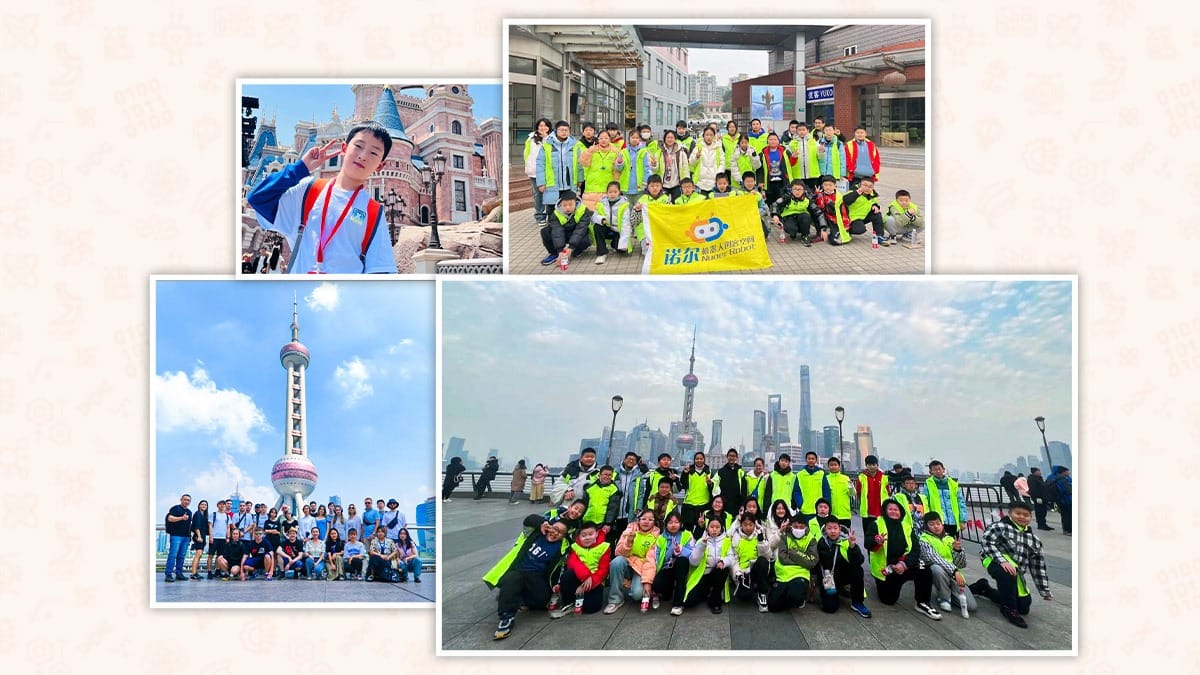
In the afternoon, the group visited The Bund. They saw classic buildings along the river. They also saw tall modern towers across the water. Students learned how Shanghai combines old and new. This idea became a theme for the tour.
To learn more about the services offered by Alifa Education, please visit our dedicated page. Whether you are a guardian, affiliated with an international or bilingual school in China, or a study abroad education agency, Alifa Edtech offers services tailored to your unique needs. Please visit our page to learn more about our offerings.
Mid-Tour Growth
Day Three: Robots That Think
Students learned about sensors. They discovered how sensors help robots move on their own. They programmed their robots to avoid obstacles. This made their robots “think” without human control. Students tested their code many times, fixing mistakes as they went.
In the afternoon, they visited Yu Garden. This garden showed them traditional Chinese design. A local guide explained the meaning behind the layout, bridges, and carvings. Students tried local snacks and walked through the Yu Garden Bazaar. The cultural experience added depth to their technical learning.
Day Four: Data and AI
Students moved into data analysis. They used sensor data to improve robot performance. They learned how AI systems collect and use information. They studied patterns in the data and adjusted their robots’ behavior.
Later, the group visited the Shanghai Tower, one of the tallest buildings in the world. From the observation deck, students saw the entire city. Teachers linked the morning session to the visit. They explained how cities use data to manage traffic, energy, and resources. Students saw how technology shapes daily life.
Competition and Project Work
Day Five: Friendly Competition
Day five was all about challenge and fun. Students raced their robots through obstacle courses. They tested speed, accuracy, and problem-solving. They had to react fast when errors came up. Some teams had to rebuild parts of their robots. Others had to rewrite large sections of code. The competition helped them practice teamwork under pressure.
After the morning challenge, the group visited the Shanghai Science and Technology Museum. Interactive exhibits helped students understand real-life uses of AI and robotics. A natural disaster simulation showed how technology can help save lives.
Days Six to Eight: Final Project
The final project spanned three days. Students had to use everything they learned. Each team designed a robot that could solve a real problem. Some robots focused on navigation. Others focused on picking up objects. A few teams used data to improve robot performance.
Teams divided tasks based on strengths. Some students focused on coding. Others handled assembly. A few created presentations and documentation. This helped them see how STEM projects work in real settings.
During these days, students also took part in cultural exchange activities at a local Shanghai school. They learned Chinese calligraphy and Tai Chi. They also shared their own school cultures. These small moments built strong bonds.
Study tours in China, year-round! 🎓 Ages 14–22. Language immersion, cultural deep-dives, STEM/AI/Robotics projects—we've got it all. Tap the Google Drive link and reach out when you're ready!
Final Push and Presentations
Day Nine: Testing and City Time
Day nine was used for testing and debugging. Teams checked every detail. They fixed broken parts. They improved their algorithms. They helped each other finish tasks. Students learned that good results require patience and teamwork.
In the afternoon, students had free time. Some chose to walk along The Bund again. Others visited Nanjing Road for shopping. This break helped them relax and think about the lessons they learned during the week.
Day Ten: Presentations and Closing
On the last day, students presented their robots. Each team explained their design, code, and problem-solving steps. Teachers and instructors asked questions. They gave feedback on both strengths and improvements.
A small closing ceremony followed. Students received certificates. They exchanged contact information and promised to stay in touch. Many took group photos before leaving the centre.
Building Lasting STEM Connections
This study tour built strong connections on many levels. Students gained skills they can use right away. They learned Python. They learned basic and intermediate AI concepts. They practiced teamwork. They learned to solve problems calmly, even when things went wrong. These skills help students stand out in school and future STEM paths.
Students from Malaysia and Singapore also built global friendships. They learned to communicate across cultures. They saw how different countries approach learning. These relationships often continue online long after the tour ends.
Teachers from both schools also gained new ideas. They talked about future exchanges, joint projects, and shared learning materials. The study tour could lead to regular cooperation between the two schools.
The program is flexible. The WhalesBot Centre can adjust activities for different ages and skill levels. This makes it easy for more schools to join in the future.
Measuring Success: Outcomes and Future Opportunities
Several signs show that this study tour succeeded:
- Every student completed the final project. All robots worked and met the set goals.
- Surveys showed high satisfaction. Students enjoyed the balance of learning and culture.
- STEM skills increased. Students improved in Python, robotics, problem-solving, and teamwork.
- Cultural learning was strong. Students developed a deeper interest in Chinese culture. They saw how Shanghai blends tradition and modern ideas.
For schools, this program brings many benefits:
- It adds strong STEM learning without changing the full curriculum.
- It gives students global exposure at a lower cost than long-term exchanges.
- It builds school networks that support future growth.
The tour model can expand in many ways:
- Schools can run summer or winter versions.
- Other destinations can offer similar plans.
- Universities, such as Singapore Management University, can host advanced versions.
- Virtual workshops can be added before and after the trip.
Future versions may also include:
- Follow-up online projects
- Alumni networks
- Joint competitions
- Mixed-country research challenges
The program also helps students grow in academic English. They learned to explain technical ideas clearly. They practiced presenting in teams. These skills support their future studies.
Conclusion
The IGB–ACS Shanghai Study Tour shows the power of hands-on learning. Students gained real skills in robotics and AI. They worked across cultures. They built global friendships. They learned how STEM connects countries. They saw how Shanghai blends technology, culture, and history.
This study tour offers a model for other schools. It proves that strong facilities matter. Expert teaching matters. Cultural experiences deepen technical learning. When students work together across borders, their learning becomes stronger.
Students today need global experience, practical skills, and international networks. A study tour provides all three.
Related Articles
 Emmanuel Usang
 John Wong


Member comments