

Introduction
The world needs innovative farmers. Climate change threatens food security. Populations keep growing. Traditional farming methods can't keep up. Academic exposure trips in agriculture is now essential.
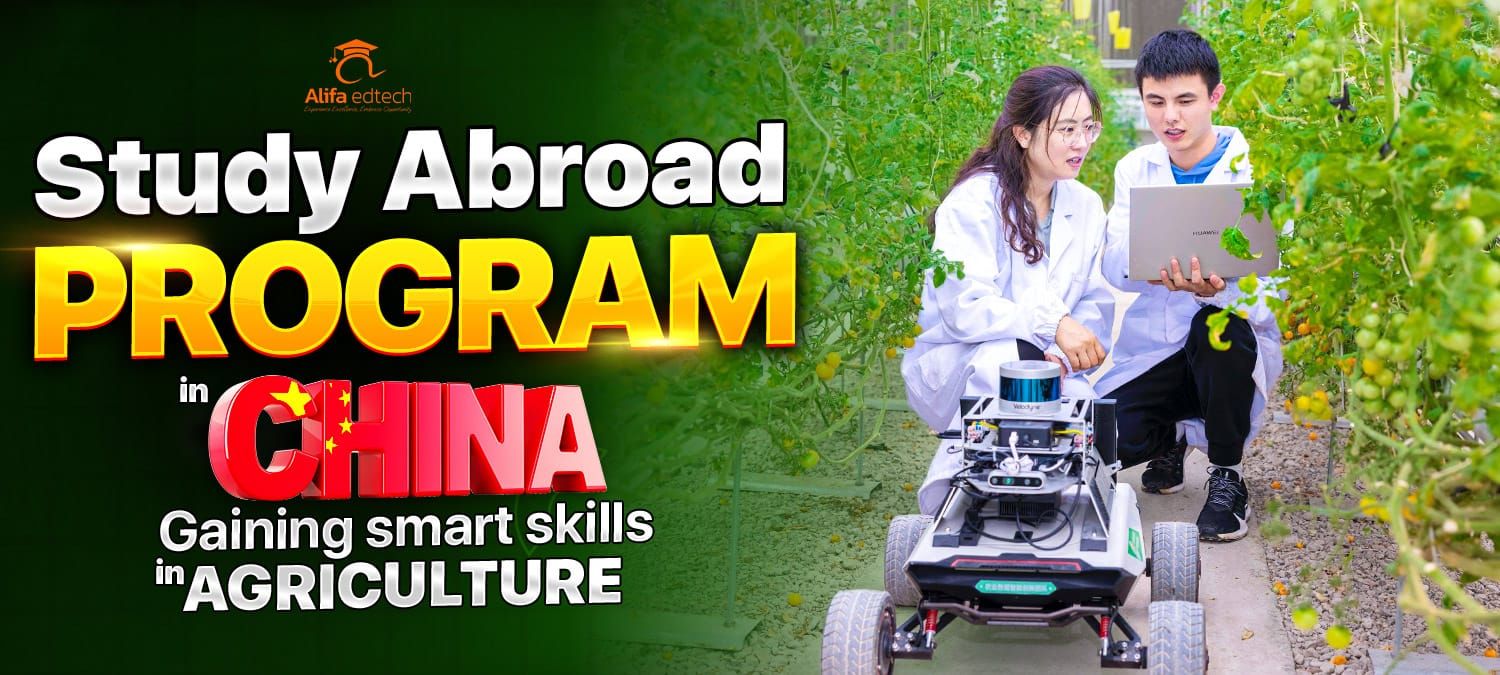
China offers something unique for international students. The country feeds 1.4 billion people. It uses cutting-edge technology. China uses AI-powered drones. It uses precision farming equipment. Students who study there do not learn theory. They get hands-on experience. They work with tools that shape the future of food production.
Such academic exposure trips show impressive results. Thai students from Anuban Chonburi School spent two weeks at Shanghai Agriculture and Forestry Vocational College. They learned to operate GPS-guided tractors. They programmed agricultural drones. They used AI to create marketing campaigns. These weren't classroom exercises. These were real skills. The skills changed their career plans.
Alifa Education Services helps students access these opportunities. We connect you with top agricultural programmes in China. We handle applications. We handle visas. We handle programme selection.
Ready to start your journey? Book a free consultation with us today and discover which programme fits your goals.
Why choose China for agricultural study abroad?
China ranks as the world's largest agricultural producer. The country has changed farming through technology. This happened in two decades. What makes China special isn't its size. It's the speed of innovation.
Technology Leading the World
Chinese farms use drones with special cameras. These devices detect plant stress early. Human eyes can't see it yet. They spray fertilizer with exact precision. This reduces waste by 40%. It also increases yields by 25%. International students get direct access to this technology.
Universities make significant investments in student training. Shanghai Agriculture and Forestry Vocational College is a good example. Their facilities include VR simulation labs. Students practise operating expensive machinery. There is no risk. They master skills in days. This used to take months. One Thai student achieved 98.7% efficiency in virtual harvests. This happened after four days of training.
To learn more about the services offered by Alifa Education, please visit our dedicated page. Whether you are a guardian, affiliated with an international or bilingual school in China, or a study abroad education agency, Alifa Edtech offers services tailored to your unique needs. Please visit our page to learn more about our offerings.
Cultural Immersion and Global View
Studying abroad in China offers more than technical skills. Students experience cultural immersion daily. They learn Mandarin. At the same time, they discuss soil chemistry. They share traditional recipes. They study fermentation science. This cultural awareness creates active global citizens.
Host universities set up cultural exchange activities. Students learn tai chi. They learn Chinese folk songs. They teach international classmates about their home countries. These interactions build networks. The networks last entire careers. One student noted something important: "Food became the universal language."
Need more information or personalized assistance? Our team is just a message away. Contact us on WhatsApp, WeChat, and Telegram to get clear answers, helpful recommendations, and fast support. Click the "CONTACT US NOW" button and start chatting with our team now.
Practical Learning Environment
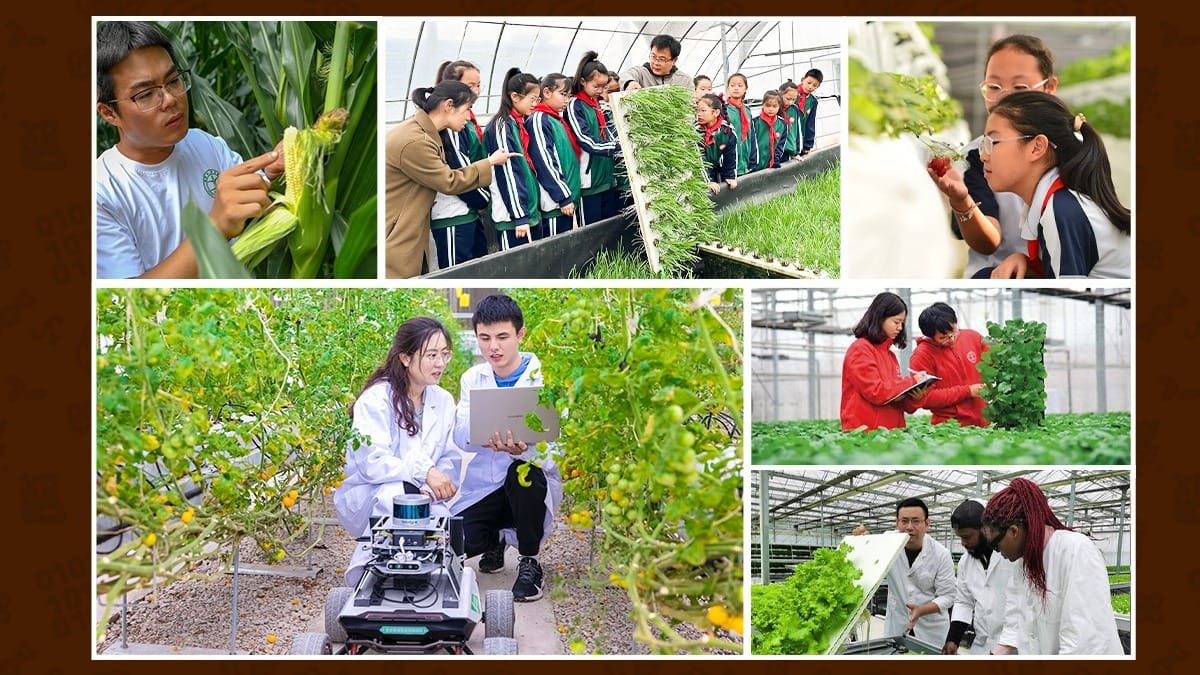
Chinese agricultural programmes focus on hands-on experience. Students do not read about technology. They operate it. They climb into real tractors. They programme actual drones. They run experiments in working laboratories.
The programmes balance high-tech and traditional methods. Students learn plant cloning. They use tissue culture. They also study ancient preservation techniques. This approach honours the past. It also builds the future. One master craftsman explained it well. "The best innovation respects nature."
Key Skills Gained Through the Programme
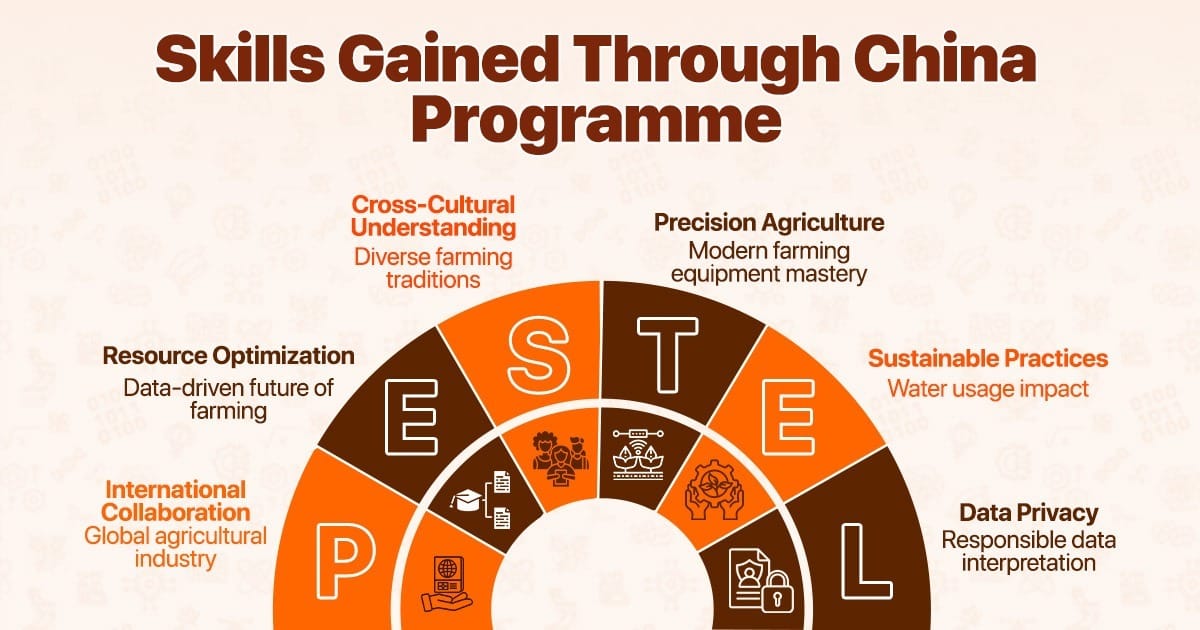
Study abroad programmes in China develop valuable skills. Employers worldwide seek these skills. These aren't agricultural techniques. They're abilities that apply across big-name industries.
Technical Agricultural Skills
Students master modern farming equipment. They learn to operate GPS-guided tractors. They learn to use combine harvesters. They understand how sensors collect soil data. They interpret that data. They make farming decisions based on it.
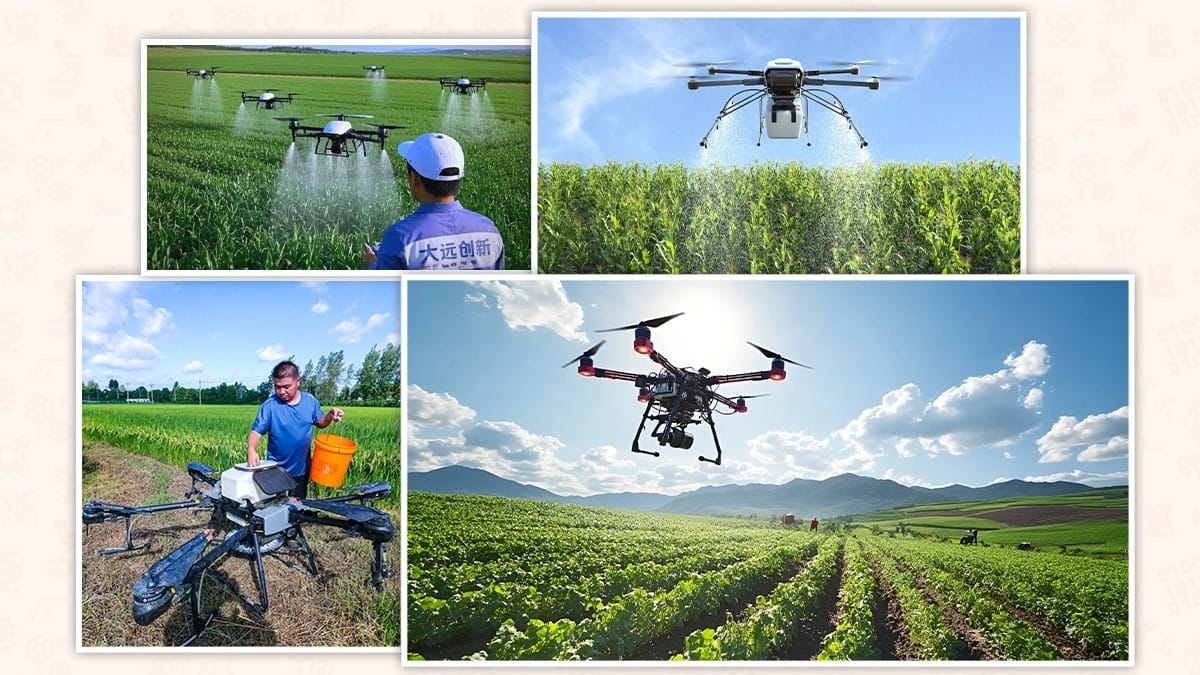
Drone technology forms a major part of training. Students learn flight physics. They learn battery management. They program coordinated swarm patterns. They use special imaging to diagnose crop health. These skills transfer to careers in precision agriculture.
AI and data analysis become second nature. Students use machine learning. They predict crop yields. They create marketing campaigns using generative AI. They understand how algorithms optimize resources. This prepares them for the data-driven future of farming.
Problem-Solving and Critical Thinking
Real-world challenges teach valuable lessons. Virtual simulations show tractor rollovers. Students learn physics principles from these mistakes. Drones detect nitrogen deficiency. Students calculate precise fertilizer amounts. Every mistake becomes a learning opportunity.
Students develop systems thinking. They understand something important. Food production connects biology, mechanics, and economics. They see how farm decisions affect water usage. They track carbon emissions. They track profit margins. The industry needs this holistic view.
Cross-Cultural Communication
Language barriers become opportunities. Students improve their Mandarin. They learn technical vocabulary. They explain complex concepts across cultures. They negotiate with international peers. They work with them too.
Help us match families with top schools in China. Take our 1-minute survey to share what matters most.
These communication skills matter everywhere. The agricultural industry operates globally. Companies need people who understand different farming traditions. They need employees who can work with international teams. Study abroad programmes build these abilities.
Leadership and independence
Living abroad develops personal growth. Students manage their own schedules. They navigate unfamiliar cities. They solve problems without parents nearby. This independence builds confidence.
Group projects teach teamwork. Students must work with partners from different backgrounds. They learn to lead. They learn to follow. They discover their own strengths. Many students report something interesting. Studying abroad made their career goals clear.
How to Apply and Prepare
Getting into a Chinese agricultural programme requires planning. The process is simple. Follow these steps.
Research programmes and universities
Start by identifying programmes. Match them to your academic goals. Match them to your personal interests. China has many excellent agricultural institutions. Each offers different specialisations.
Look for programmes with strong international student support. Check if they offer orientation sessions. Ask about language requirements. Some programmes teach in English. Others need basic Mandarin.
Consider programme length. Options range from two-week intensive courses to full semester abroad programmes. Summer programmes work well for students. They let you test international education. Full semesters provide deeper cultural immersion.
Application Requirements
Most programmes need similar documents. You will need academic transcripts. They should show good grades. Many ask for letters of recommendation from teachers. Some need a statement. Explain your interest in agriculture.
Language skills may be necessary. TOEFL scores prove English ability. This is for English-taught programmes. HSK tests measure Mandarin skills. Check specific requirements early.
The application fee varies by institution. Budget for this cost when planning. Some programmes charge higher fees for international students.
Want to put your brand in front of families, students, and education-focused readers? We're inviting select partners to advertise with us on our trusted blog.
Want to get featured? submit a story for us to include.
Financial Planning
Calculate total costs with care. Consider tuition fees. They exhibit a wide range of variation. Add accommodation expenses. Factor in travel costs. Factor in health insurance. Don't forget daily expenses in local currency.
Research scholarship opportunities. Many Chinese universities offer grants for international students. The Chinese government sponsors study abroad programmes. Your home country may have exchange agreements. Groups like Asia Exchange can help.
Student visa costs add to the budget. Processing takes time. Start early. Most programmes need proof of health insurance. They need this before issuing admission letters.
Pre-Departure Preparation
Once accepted, prepare well. Get travel insurance. It must cover medical emergencies. Students need this for their visas.
Pack clothes suitable for China's climate. Shanghai has distinct seasons. Bring comfortable shoes for farm visits. Don't forget any necessary medications.
Learn basic Mandarin phrases. Even simple greetings help. Download translation apps. Join online forums for international students in China.
Connect with your host university before arrival. They often pair new students with local buddies. These connections ease the transition. Some programmes arrange host families. This provides a deeper cultural immersion.
Review safety policies. Review campus rules. Understand COVID restrictions if they apply. Know emergency contact numbers.
Making the Most of Your Experience
Arrive with an open mind. Embrace new experiences. Try local foods. Attend cultural events. Join student clubs.
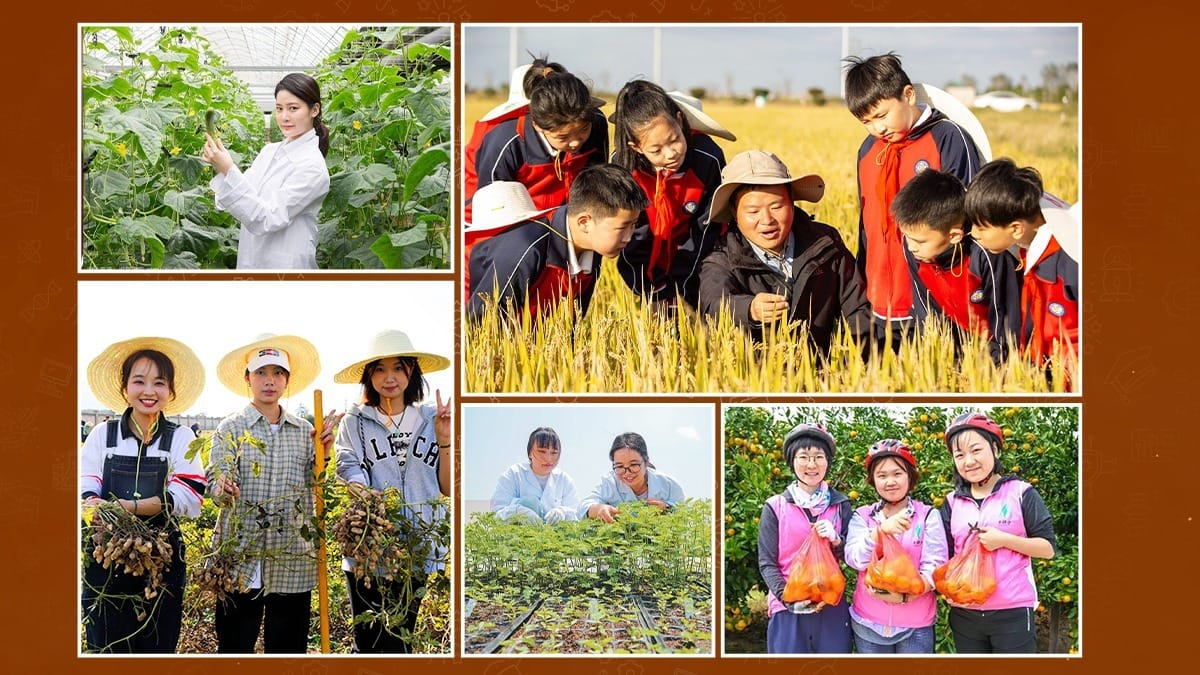
Stay focused on your academic needs. Keep up with coursework. Ask questions during hands-on training. Take detailed notes during farm visits.
Document your journey. Take photos and videos. Keep a journal. These memories become valuable when applying for jobs later. They also help you track your personal growth.
Exchange contact information with classmates. Connect with professors. These relationships often lead to internships. They lead to job opportunities. Some students return to China for study + internship programmes. This happens after graduation.
Your Child's Future Starts with the Right School
Stop scrolling through endless options. We've already vetted 800+ schools across China—let us match your child with the perfect fit, budget, and scholarship opportunities.
✓ Free consultation
✓ Scholarship & grant assistance
✓ Full admissions support
Conclusion
China's agricultural study abroad programmes offer unique opportunities. Students gain hands-on experience with advanced technology. They develop technical skills. Employers seek these skills. They build international networks. These networks span entire careers. They learn to adopt a different perspective on feeding the world.
The student experience goes beyond classrooms. It's about cultural awareness. It's about personal change. It's about becoming part of a global solution to food security. One Thai student wrote something powerful: "I came to China to learn about food. I'm leaving with a vision for feeding my nation."
The future of agriculture needs innovative thinkers. It needs people who understand tradition and technology. It needs global citizens. They must work across cultures. Chinese study abroad programmes develop these qualities.
Your journey starts with one decision. Choose to invest in your future. Choose to gain skills that matter. Choose to become part of agriculture's exciting change.
Alifa Education Services makes this journey easier. We guide you through every step. We help you select the right programme. We secure your student visa. We handle the details. Our expertise ensures you find programmes. They match your academic goals.
Book a free consultation with Alifa Education Services today. Let us help you unlock opportunities.
Related Articles
 Emmanuel Usang
 Emmanuel Usang
 Emmanuel Usang
 Emmanuel Usang


Member comments