

Introduction
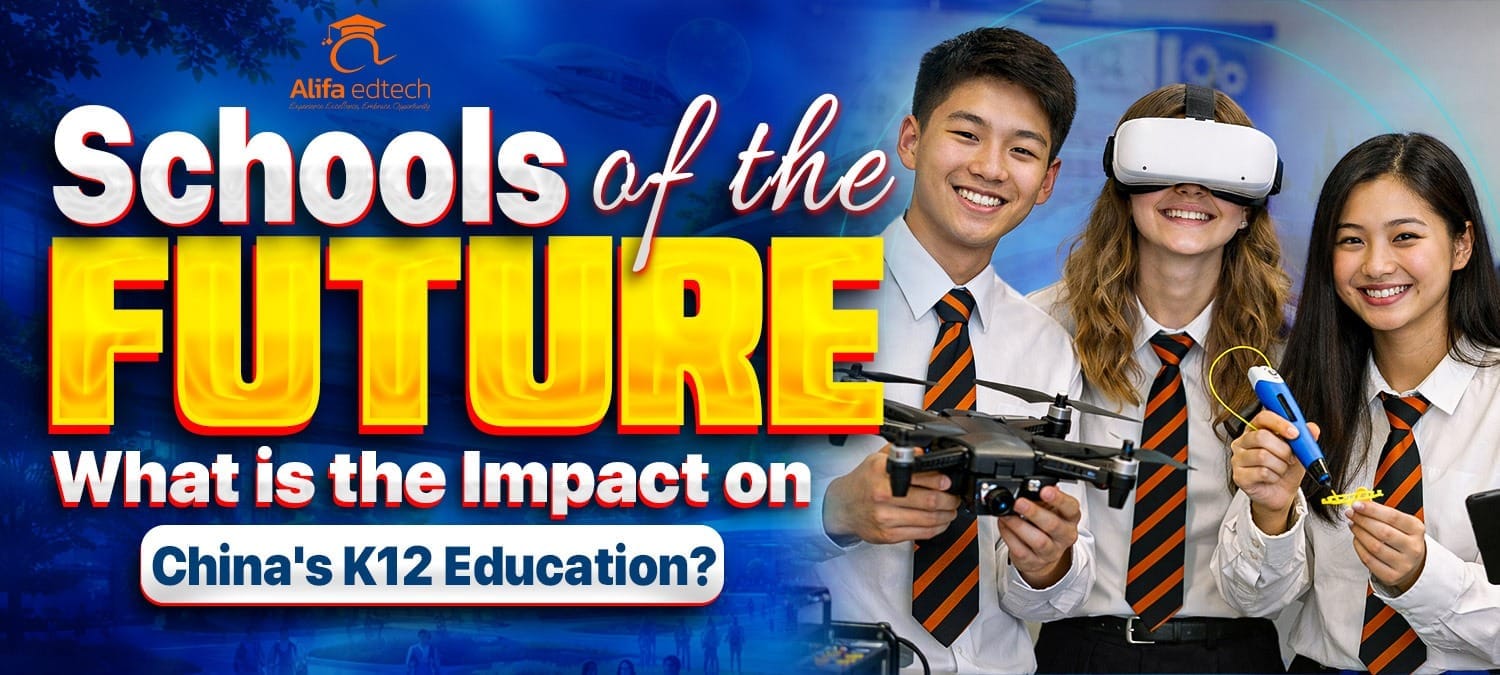
Chinese future schools are changing to smart education, with Artificial Intelligence as the key driver. National plans, like the "AI+Education" Action Plan, guide this transformation.
Leading cities, including Beijing and Shanghai, are building AI education from kindergarten to high school. Future schools are student-focused, blending technology with teaching ideas, and reforming all grade levels.
Teachers also get training to improve their AI skills. The main goal is to offer personalized learning for many and promote fair education for all.
How Do Schools of the Future Integrate AI in Their Curriculum?
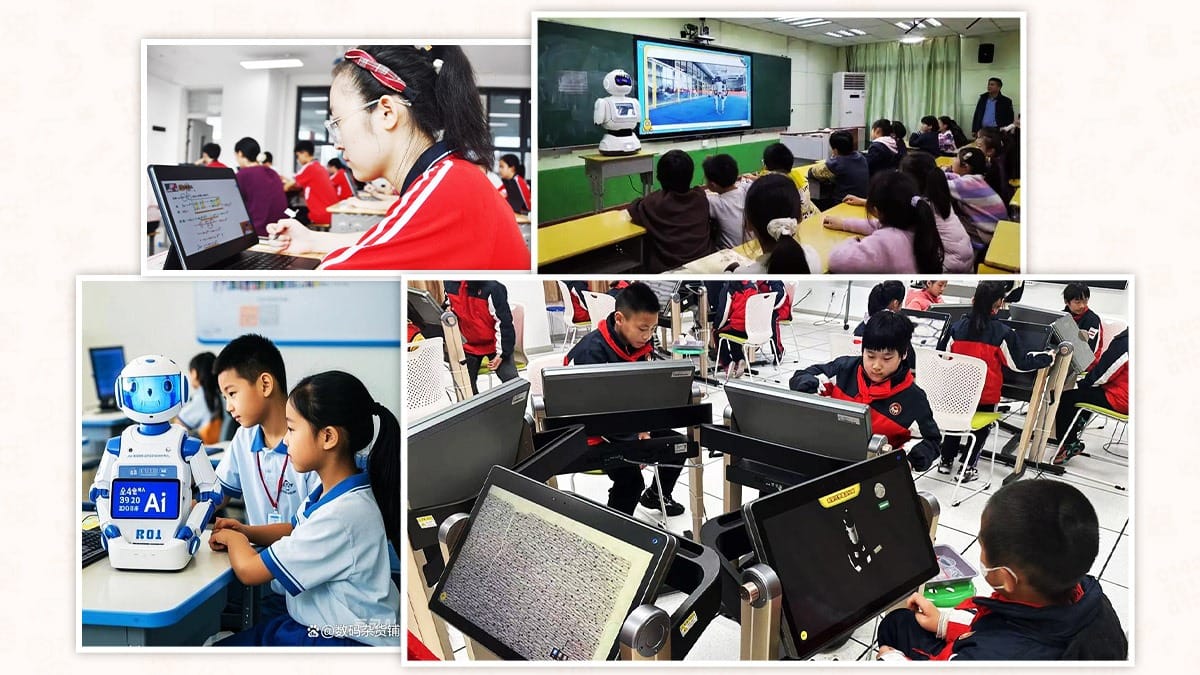
Schools of the Future are changing fast. They use artificial intelligence (AI) to make learning better for every student. This new way creates a lively Learning Environment. It gets students ready for a future with lots of technology.
Are you looking for robotics, AI, and future-oriented schools for your child in China?
Alifa education consultants can help you find the best-fit schools that have mature, future-ready programs integrated into the main curriculum.
Alifa Education Services bridges ed-tech entrepreneurs and policymakers with China's leading AI companies. Get matched with the perfect technology partner for your region.
Book Your Partnership Consultation Today!
Tell us your needs—we'll find your ideal Chinese AI firm match.
AI in Stages: Learning for All Ages
These K12 schools use a step-by-step plan. For younger children in early childhood learning and primary grades, they explore AI with fun tools. This uses play-based learning. This means they learn about AI through games and creative apps.
As students get older, they move to the next level. Middle schoolers learn basic coding and explore AI technology. High schoolers then do complex coding and AI design. This research-based framework helps students learn real skills.
Tech in Class: Solving Real Problems
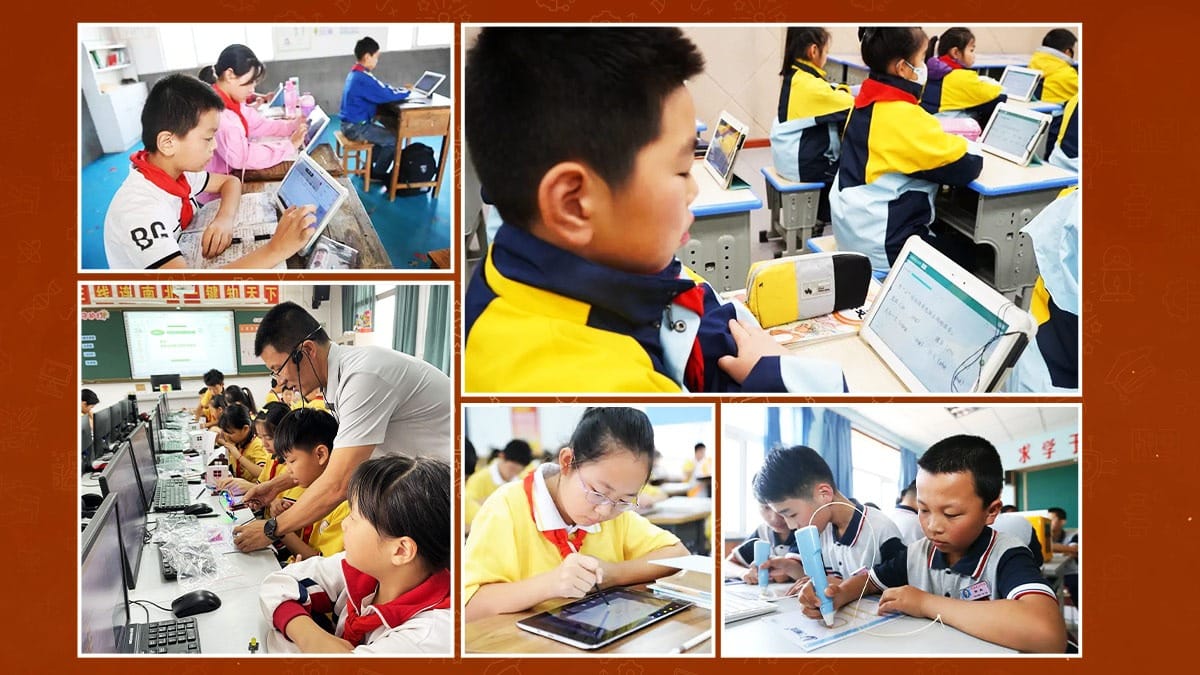
Technology integration is very important. Some K12 schools make AI courses a must. Other schools mix AI with subjects like math. They create special "math + AI" programs.
In these future-focused learning environments, students work on project-based learning. They fix real-world problems. This could mean designing smart parking systems. These tasks improve critical thinking. They also help with problem-solving.
Learning for Every Student
Many schools use student-centered strategies. They offer personal AI helpers. These tools assist with homework. They also suggest special learning materials. This helps Universal Design for Learning. It makes sure everyone can learn at their own speed.
Some schools use AI to watch how many students join in class. This helps teachers make their lessons better. Generative AI lets students make new tools. This goes beyond just using them.
Need more information or personalized assistance? Our team is just a message away. Contact us on WhatsApp, WeChat, and Telegram to get clear answers, helpful recommendations, and fast support. Click the "CONTACT US NOW" button and start chatting with our team now.
For special education, AI offers fun learning spaces and digital guides. This helps with language. It also supports social-emotional learning. These efforts show how schools are getting ready for tomorrow.
What are the AI Learning Environments & Impact in the Schools of the Future?
AI profoundly changes teaching and learning in K12 schools in China. It makes education more personal and effective. This prepares students for a fast-changing world. It boosts critical thinking and problem-solving skills.
Smart AI Laboratories
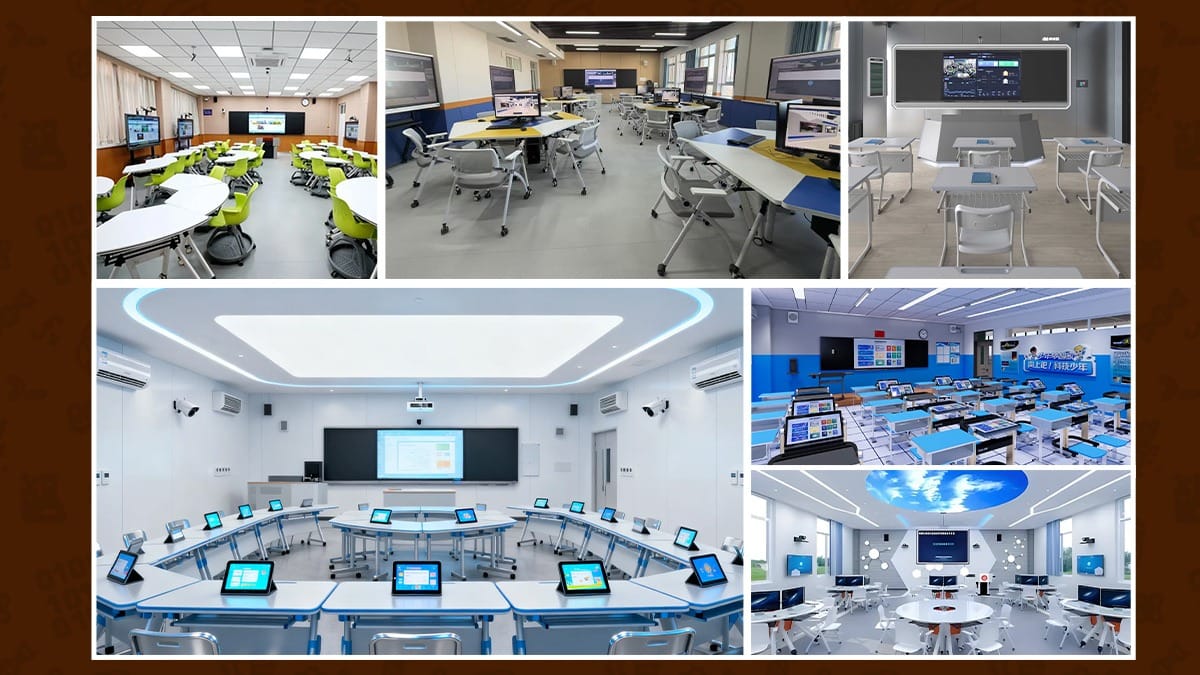
Modern schools build specialized labs. Shixi High School has advanced labs, including AI. These labs feature advanced computers and smart sensors. Students use them for deep learning and real projects. These spaces support hands-on learning and foster innovation.
Immersive Learning Environments
Future schools focus on interactive experiences. Beijing's Tongzhou District widely uses XR (extended reality). Students can travel through history or explore inside the Earth. This makes lessons exciting and real. It helps students understand complex ideas better.
AI-Powered Learning Platforms
AI-powered learning platforms are central. Shenzhen School uses an "online + offline" model. Students attend live courses from anywhere. Smart systems offer extra help. This gives high-quality education to more people. AI learning companions assist students 24/7.
Intelligent Teaching Support
AI helps teachers immensely. Intelligent systems suggest resources and create lesson plans quickly. This saves valuable teacher time. It improves teaching quality. AI assistants also help in class. They answer questions and give instant feedback.
Your Child's Future Starts with the Right School
Stop scrolling through endless options. We've already vetted 800+ schools across China—let us match your child with the perfect fit, budget, and scholarship opportunities.
✓ Free consultation
✓ Scholarship & grant assistance
✓ Full admissions support
Smart Classroom Analysis
AI offers new tools for classroom observation. Hangzhou's schools' "Digital Smart Classroom" collects real-time data. Cameras track student actions and talks. AI analyzes this data. It shows student engagement. This helps teachers improve lessons instantly.
Intelligent Homework & Assessment
AI is changing homework. Henanzhai Middle School's "Smart Homework" platform grades work automatically. It finds errors and gives personalized practice. Miyun No. 2 Middle School uses AI for science experiments. It checks the entire process, not just the result.
Transforming Student Learning
AI deeply changes how students learn. They move from passive to active learning. Personalized paths fit each student's needs. This is based on their knowledge and style. It makes learning relevant and engaging. This also helps develop important communication skills.
Promoting Educational Equity
AI helps create fairer education. High-quality resources reach rural areas. The Ministry of Education uses AI for teacher training. This helps many teachers in remote schools. AI makes lessons more engaging. It helps subjects "speak" to students.
How Teachers Developed Them for AI Learning in the Schools of the Future?
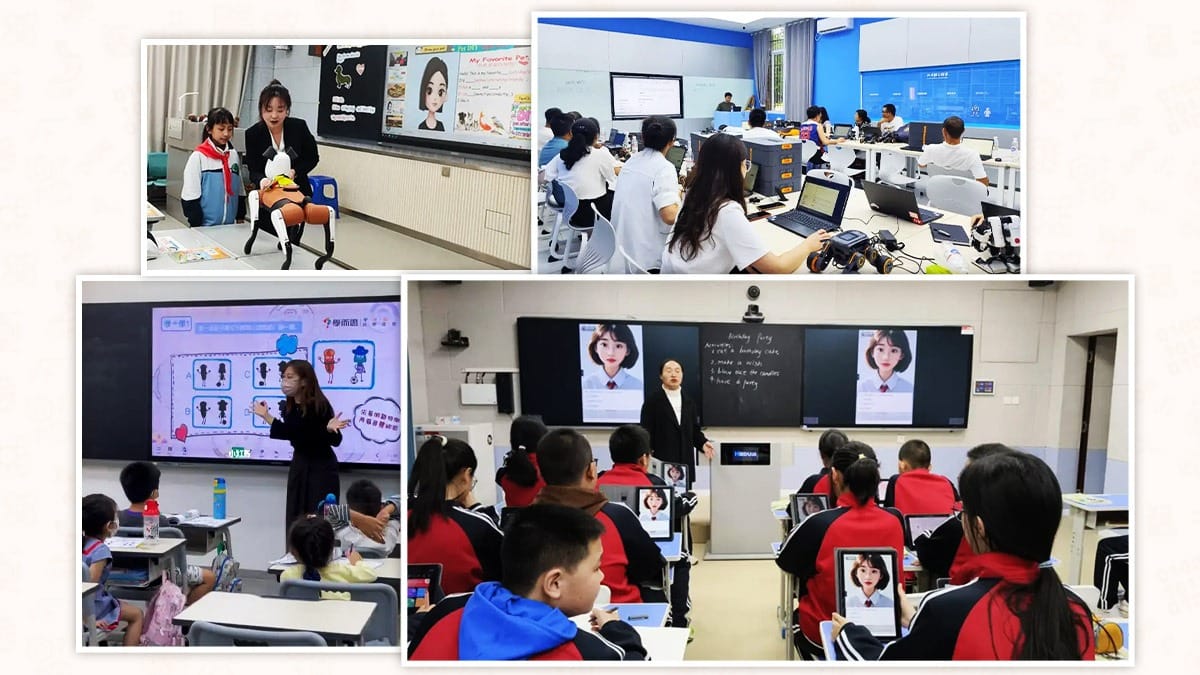
Teachers are key to transforming education in the Schools of the Future. For AI to succeed in learning, teachers need special training. This training helps them use artificial intelligence effectively. It ensures they are ready for the future of teaching-learning. This prepares educators for new challenges and opportunities.
New Standards for AI Teachers
New standards guide what AI teachers must know. They cover AI awareness, knowledge, and skills. Teachers learn how to use AI tools for teaching. They also learn to design lessons with AI. Ethical use of AI is also taught. This provides a strong teacher foundation for AI integration.
Tiered Teacher Training
Teachers receive training at different levels. Basic training helps all teachers understand AI. Advanced training teaches subject experts deep AI integration. Leading teachers learn to develop AI curricula and train others. This professional learning system supports growth for all educators.
Innovative Training Programs
Many regions create unique training. Beijing uses a four-level system, from theory to leadership. Shaanxi offers large online courses for many teachers. Guangdong has "seed teacher" plans. These programs use workshops and expert guidance. They also include pre-recorded presentations for flexibility.
Want to put your brand in front of families, students, and education-focused readers? We're inviting select partners to advertise with us on our trusted blog.
Want to get featured? submit a story for us to include.
From Knowledge to Design
AI is changing the teacher's role. Teachers now focus more on designing learning. They design objectives and choose resources. They guide activities instead of just giving facts. This helps them move from being knowledge transmitters to learning designers. This shift improves the learning process.
Teachers and AI Work Together
The future of teaching involves human-machine collaboration. AI handles data and gives quick feedback. Teachers focus on motivating students. They guide thinking and shape personality. This dual approach helps both students and teachers. It makes teaching more effective.
Continuous Growth for Teachers
Teacher development in the AI era is ongoing. Teachers learn new things constantly. They join online communities to share ideas. Collaboration between schools and universities is growing. Experts help develop AI curricula. This ensures continuous professional learning for teachers.
AI Tools for the Classroom
Teachers learn to use many AI classroom resources. They use intelligent lesson planning systems. These systems recommend suitable materials. AI also helps with preparing teaching guides. This saves time for teachers. It lets them focus more on direct student interaction.
Coaching for School Success
Training programs offer expert coaching for school success. Seed teachers guide their colleagues. This helps more teachers become proficient in AI. Competitions encourage innovative AI teaching. This spreads best practices throughout schools. It helps improve overall educational outcomes for students.
Conclusion
In short, Schools of the Future use AI. It makes learning places better for all. AI tools give students lessons just for them. This is personalized learning. Teachers build a strong teacher foundation. They get professional learning. This helps them for the future of teaching-learning.
AI helps make education fair for everyone. This is educational equity. AI transforms the whole learning environment. It opens new doors for all students.
Related Articles
 Emmanuel Usang
 John Wong
 Emmanuel Usang


Member comments