

Introduction
BASIS Education Group in China is a leading name in international schooling today. Parents hear the name often, and for good reason.
The founders launched BASIS in the United States back in 1998. It started as a small group and grew into a network known for high academic standards and strong university placement results. In China, the group now runs 15 campuses across 8 cities. Families can pick from expat schools or bilingual programs for local students.
You're weighing a lot at once. Curriculum quality, language of instruction, cultural fit, and university outcomes all matter. That pressure is real, and it's felt by every parent making this kind of decision from abroad.
What makes BASIS Education Group in China worth a closer look? It connects a trusted American brand to the realities of schooling in China. Families in Asia are looking at international schools in China. Schools connected to popular American brands often rank at the top.
So what does day-to-day life at a BASIS school actually look like? What's the admissions process for a family applying from outside China? These are fair questions, and you deserve clear answers.
That's exactly what Alifa Education Services offers. Alifa helps international families find the right school in China. They cut through the confusion so you don't have to figure it all out alone. Book a free consultation with Alifa today. You'll get personal guidance from people who know these schools inside and out.
Key Takeaways
- BASIS operates 15 campuses in 8 cities in China. These schools offer both international and bilingual pathways.
- Grade 6 students study physics, chemistry, and biology. They learn these subjects separately. They begin this two years earlier than most international schools.
- Each year, 78% to 100% of graduates from established campuses go to US top 50 or UK top 5 universities.
- The average AP exam score across BASIS China is 4.2 out of 5, well above the global average of 3.1.
- International campuses take only foreign students. Bilingual schools take everyone. They welcome all nationalities and homes.
- Annual tuition ranges from RMB 190,000 to RMB 326,760, depending on campus location and grade level.
- All BASIS teachers go through a 6-round screening process. This process has a 4% acceptance rate. They also complete two months of pre-term training.
What Is BASIS Education Group and Why Choose It in China?
Dr. Michael Block and his wife, Olga Block, founded BASIS in Arizona. It started as a single charter school and grew into a well-known school management group across the United States.

Today, BASIS operates globally. The group opened its first China campus in Shenzhen in 2015. It has grown to 15 campuses since then. Total investment in China has exceeded 8 billion RMB.
BASIS licenses its curriculum and school model through its global education arm to international partners. In China, its exclusive local partner is Ascend International Education Group, which operates BASIS International and Bilingual Schools. They operate from Hong Kong. Together, they run a leading name in Sino-foreign cooperative schools.
Why do families choose BASIS in China?
- Proven outcomes: BASIS graduates gain entry to top universities around the world
- A curriculum built for university. At BASIS, a Grade 6 student learns what most schools teach in Grade 8.
- Two school types: Families can choose an expat school for foreign passport holders, or they can choose a bilingual school open to all nationalities.
- The philosophy is simple: work hard early and unlock bigger options later.
What Does the BASIS Curriculum Look Like in China?
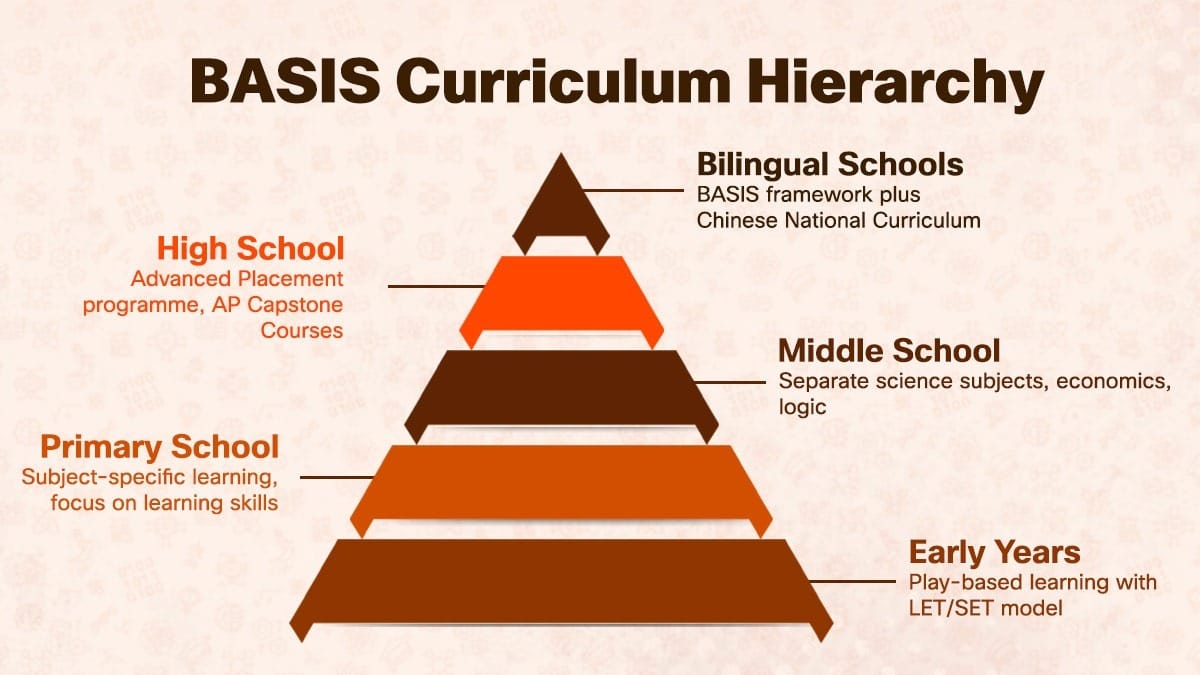
The BASIS curriculum sets these schools apart. The goal is clear. Students must think well, solve problems, and arrive at university ahead of their peers.
Early Years (PreK–K)
Learning is play-based. Each class uses the LET/SET model. Learning Expert Teachers (LET) support student growth. Subject Expert Teachers (SET) lead specific subjects. Class sizes stay at or below 25 students.
Primary School (Grades 1–5)
Students move into subject-specific learning early. Maths runs 1–2 grade levels ahead of standard programmes. The focus is on how to learn — not what to memorize.
Middle School (Grades 6–8)
Physics, chemistry, and biology are separate subjects from grade 6; that is earlier than at most international schools. They also add economics and logic.
High School (Grades 9–12)
Students enter a full Advanced Placement programme. The College Board authorizes BASIS schools as official AP and SAT test centers. Students complete at least 8 AP courses before Grade 12. Many complete 12 or more. The final year includes AP Capstone Courses. Topics include quantum mechanics, organic chemistry, and differential equations. Students also complete a Senior Project. This may involve a corporate internship or academic research.
Bilingual schools follow the BASIS framework. They also include the Chinese National Curriculum (CNC). This is the required curriculum in China. About 70% of the classes are taught in English. Students can strengthen their Chinese skills. This opens up a full international academic path for them.
Which BASIS Campuses Are Available in China?
As of 2026, BASIS operates a growing network of international, bilingual, and early childhood campuses across China, including five established international schools, multiple bilingual campuses, two standalone kindergartens, and several new schools opening in 2026.
International Schools
BASIS International School Shenzhen (Shekou)
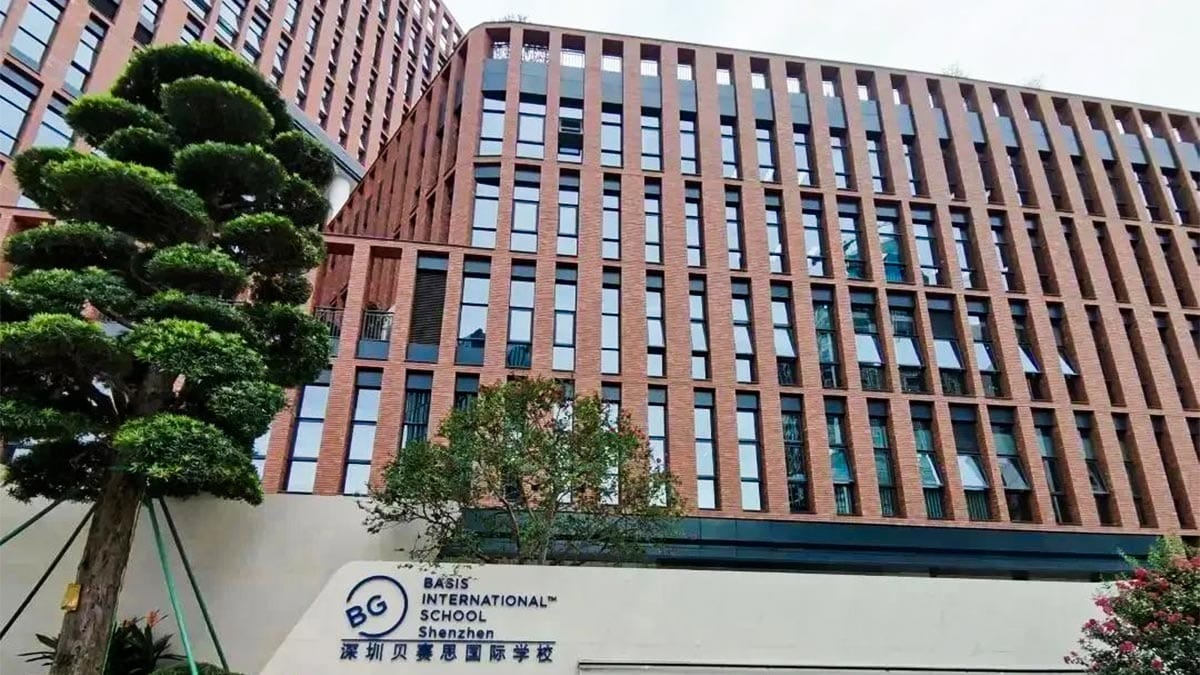
Established in 2015. This is the first BASIS campus in China and the flagship of the group. It sits in the Shekou district, known for its appeal to expatriates. In 2025, 88% of graduates gained entry to US Top 30 or UK Top 2 universities.
BASIS International School Guangzhou
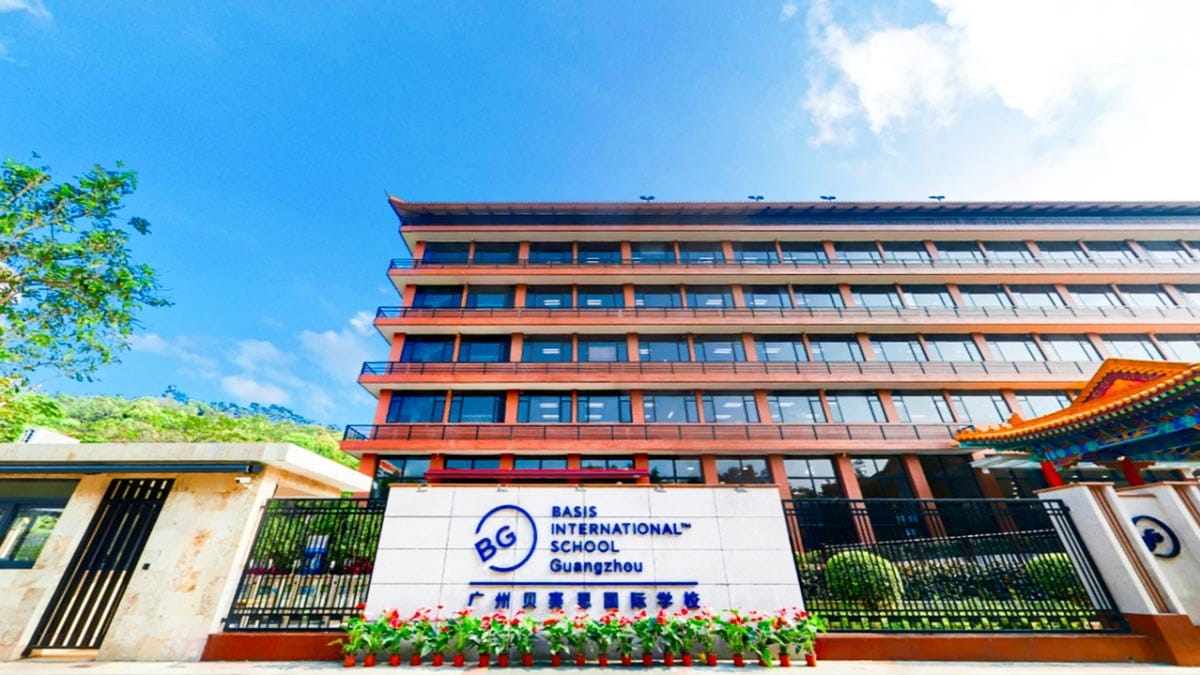
Established in 2017. This campus serves one of China's most international cities. It was the first school in Guangdong Province to offer the AP Capstone Diploma Programme. In 2025, 78% of graduates entered US Top 30 or UK Top 5 universities.
BASIS International School Hangzhou
Established 2018. This campus sits near Hangzhou's scenic riverside. In 2025, 100% of graduates entered US Top 50 or UK Top 5 universities. The class also received the group's first Ivy League offer — the University of Pennsylvania.
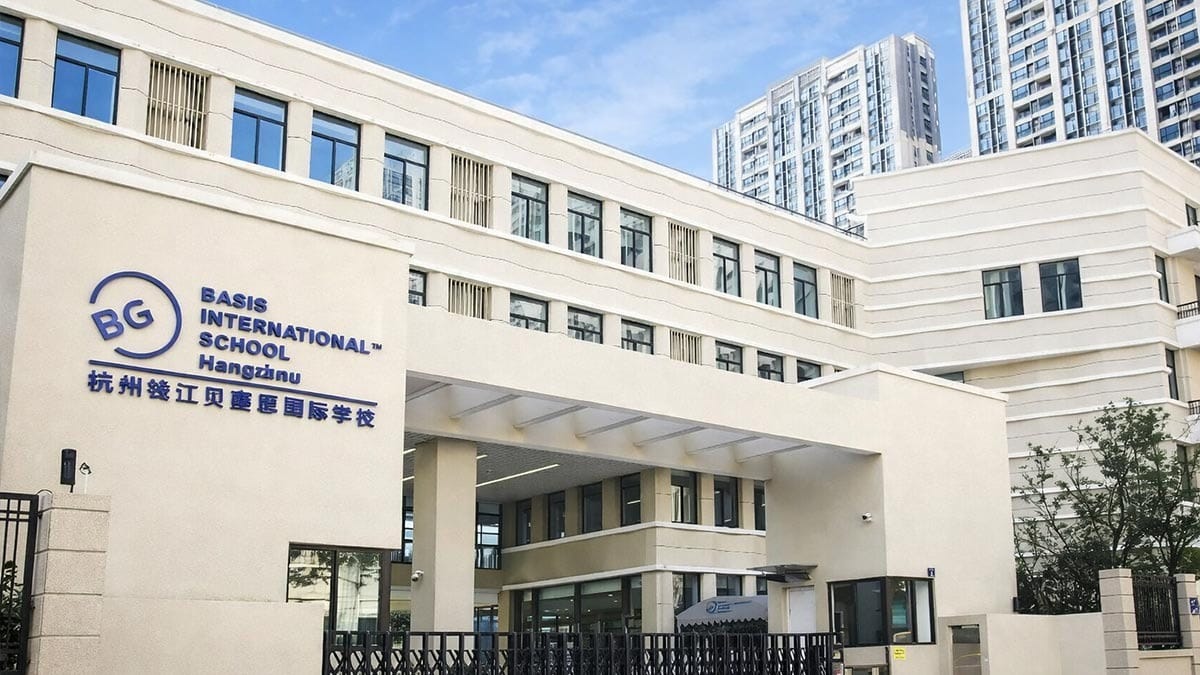
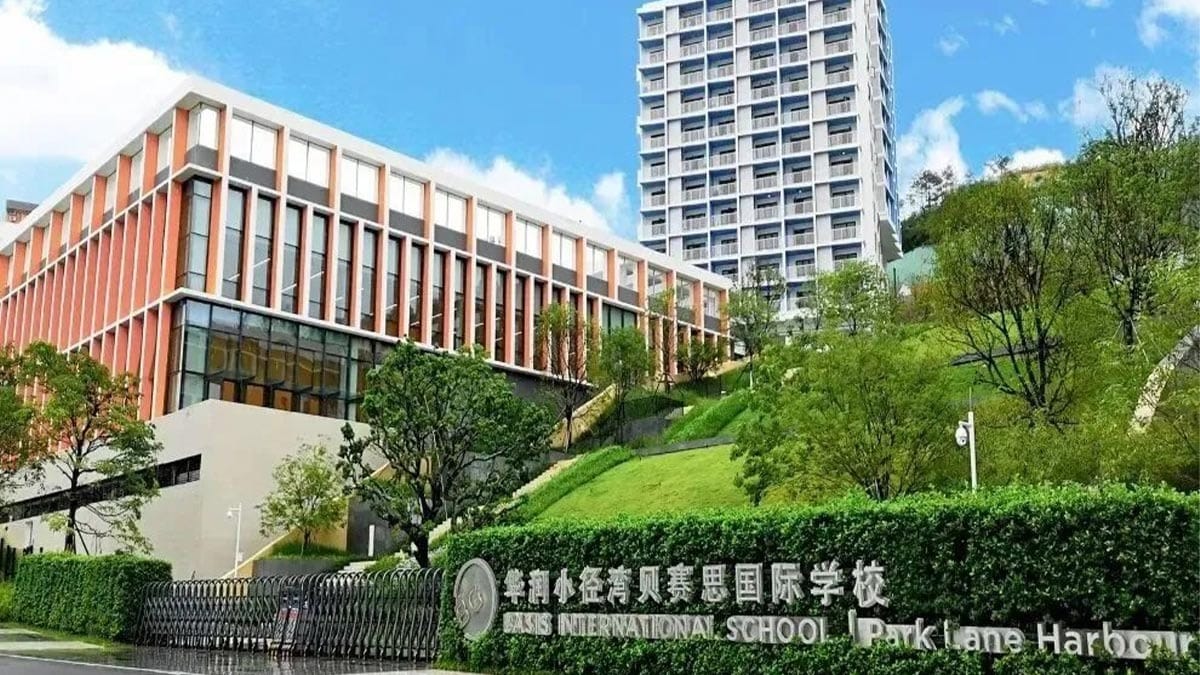
BASIS International School Park Lane Harbour
Established in 2018. This campus offers the lowest tuition in the Greater Bay Area. Fees run about RMB 50,000 less per year than Shenzhen or Guangzhou. It also has a sailing programme for students who want unique sports options.
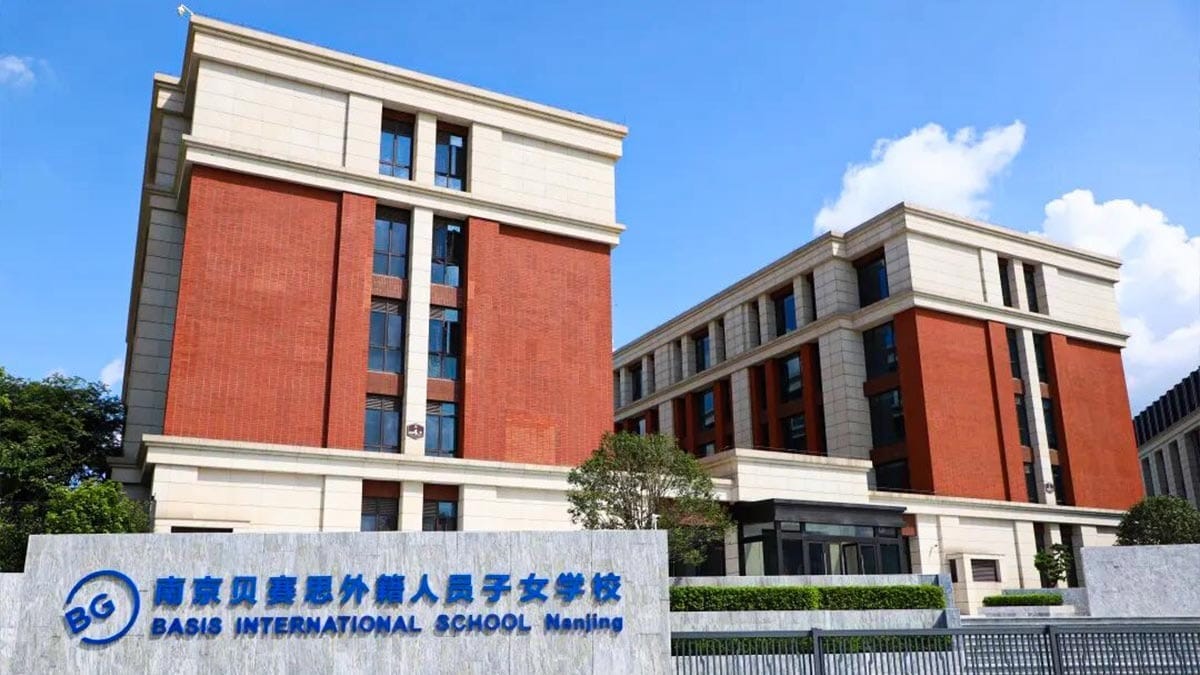
BASIS International School Nanjing
Established in 2019. This campus is in Nanjing's growing Qixia District. In 2025, 92% of graduates entered US top 50 or UK top 5 universities. Five graduates received offers from US top 10 schools.
BASIS International School Sichuan
Established in 2022. This campus serves Chengdu, the main hub of southwest China. It follows the full BASIS International curriculum. It benefits from the group's shared teacher training and management systems.
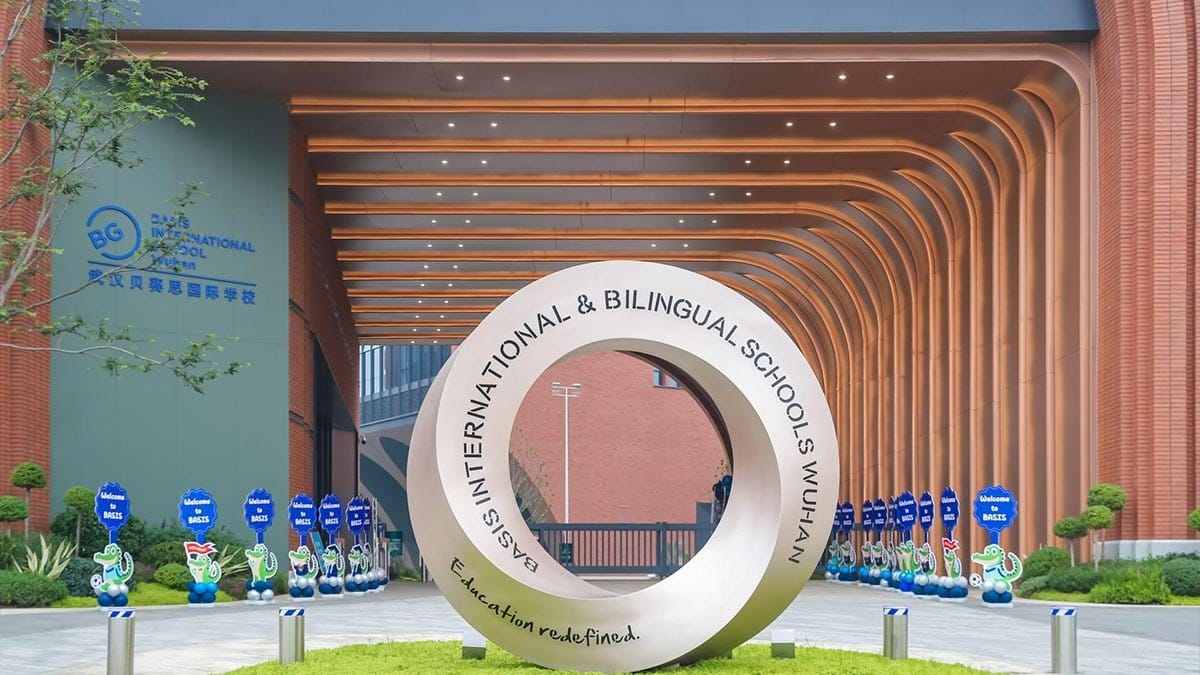
BASIS International School Wuhan
Established in 2023. This is the newest international school in the group. It serves Wuhan's growing international community. It brings the full BASIS curriculum and teacher standards to central China.
Bilingual Schools
BASIS Bilingual School Shenzhen)
Established in 2020. This is the most established bilingual campus in the group. In 2025, 92% of graduates entered US Top 50 or UK Top 10 universities. It is open to all nationalities, including mainland Chinese students.
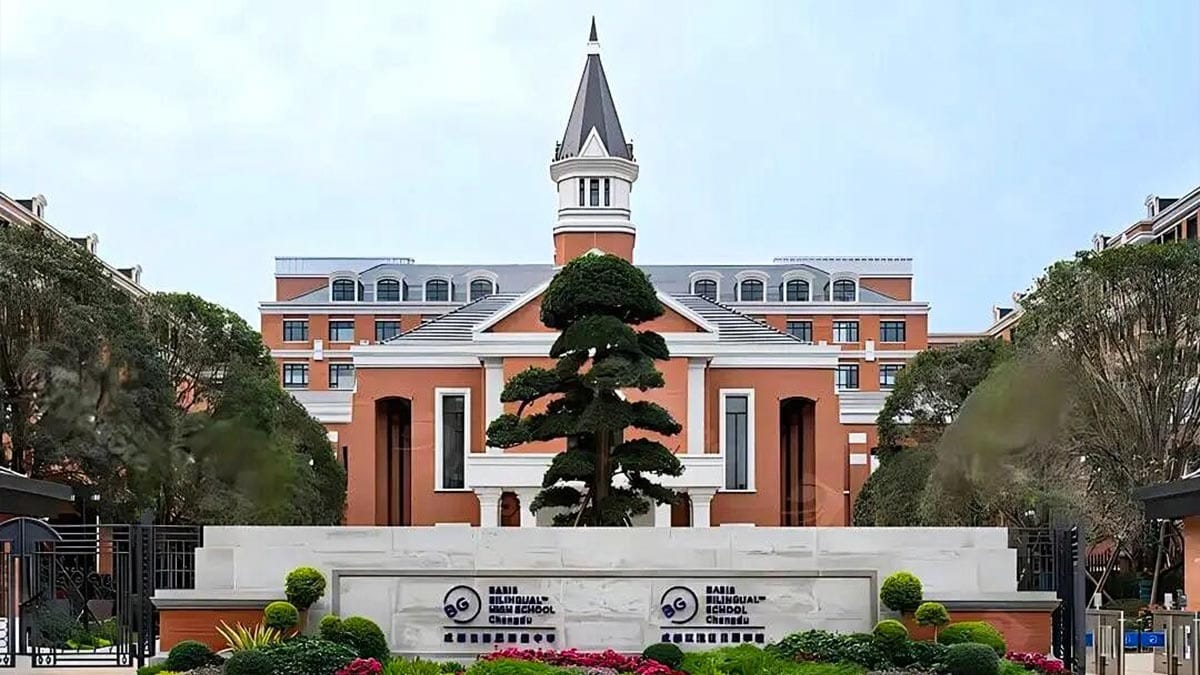
BASIS Bilingual School Chengdu
Established in 2022. This campus gives families in southwest China access to the full BASIS bilingual programme. It runs the same curriculum framework as the Shenzhen flagship bilingual campus.
BASIS Bilingual School Wuhan
Established in 2023. This campus serves Wuhan's demand for high-quality bilingual education. It is open to all nationalities. It follows the group's 70% English instruction model.
BASIS Bilingual School Shenzhen
Established in 2024. This campus expands BASIS's presence in Shenzhen to a second district. It meets the rising demand from families based further from the Futian campus.
Independent Kindergartens
BASIS Bilingual Kindergarten Nanshan.
Established in 2024. This kindergarten is in Shenzhen's Nanshan District. It uses the BASIS early years framework with the LET/SET model. It connects to the bilingual school pathway in a straightforward way.
BASIS Bilingual Kindergarten Futian
Established in 2024. This kindergarten sits near the flagship bilingual campus in Futian, Shenzhen. It gives young children a head start on the BASIS curriculum before primary school.
What Academic Results Can Parents Expect?
The results at established campuses are strong. Here is a snapshot of 2025 outcomes:
- Shenzhen (Shekou): 88% admitted to US Top 30 or UK top 2 universities
- Guangzhou: 78% admitted to US top 30 or UK Top 5 universities
- Hangzhou: 100% admitted to US top 50 or UK Top 5 universities
- Bilingual Shenzhen (Futian): 92% admitted to US Top 50 or UK Top 10 universities
- Nanjing: 92% admitted to US top 50 or UK Top 5 universities, with 5 US Top 10 offers
- Huizhou: 50% admitted to US top 30 universities
Since 2018, BASIS China has produced 910 graduates. Of those, 11% entered Ivy League, US Top 10, or UK Top 2 universities. The average Advanced Placement (AP) exam score across the group is 4.2 out of 5. The global average is 3.1.
How Does the Admissions Process Work?
Each campus runs its own admissions. The general process is the same across all campuses.
International Schools: Only children of foreign nationals who have legal residency in China may apply. Students with permanent residency from Hong Kong, Macau, or Taiwan may also apply.
Bilingual Schools: Open to all nationalities and household registrations.
The process involves:
- An application form and a non-refundable fee (about RMB 2,000–3,000)
- Academic transcripts and school records
- An admissions assessment covering English and subject knowledge
- A student or family interview
Many campuses in Shenzhen and Guangzhou have waiting lists; start the process early.
Tuition and Fees
Fees vary by campus and grade. Here is a general range for the 2025–2026 school year.
International Schools
- PreK: RMB 187,700–264,160/year
- Kindergarten: RMB 210,200–282,200/year
- Grades 1–8: RMB 229,200–312,970/year
- Grades 9–12: RMB 249,200–326,760/year
Bilingual Schools, Annual Tuition:
- PreK 1 to 2: RMB 190,000 to 211,200
- Grades 1 to 5: RMB 236,100 to 258,000
- Grades 6 to 8: RMB 256,700 to 280,000
- Grades 9 to 12: Up to RMB 294,500
Extra Fees (All Campuses)
- Textbooks: RMB 5,000–20,000/year
- Meals: RMB 13,000–20,000/year
- School bus: RMB 9,600–20,000/year
- Uniforms: RMB 2,800–10,000/year
- Extracurriculars: RMB 5,000–10,000/year
- Boarding (Grade 5+, where available): RMB 8,000–30,000/year
Extracurriculars, Support, and Teachers
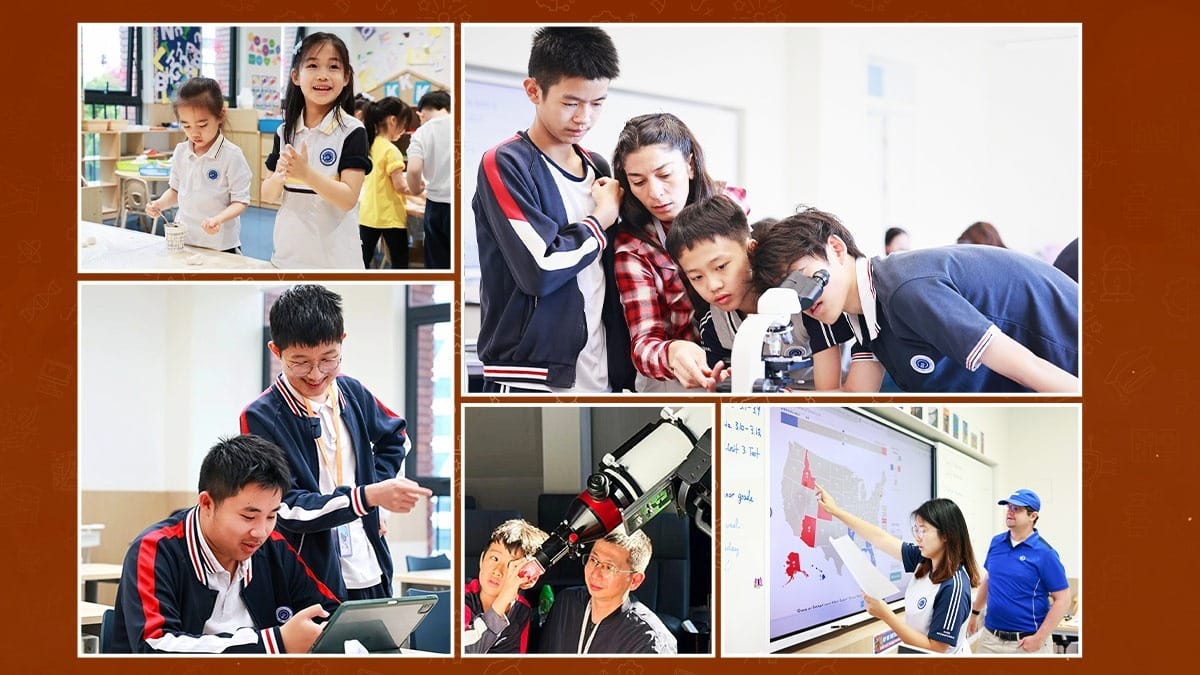
BASIS schools offer 40–80+ clubs per campus. Academic clubs include Model United Nations, robotics, and coding. Arts options include orchestra, choir, and drama. Sports include football, basketball, swimming, fencing, and sailing. Social clubs cover community service and entrepreneurship. Many clubs are student-led.
Boarding is available from Grade 5 at several campuses. These include Guangzhou, Huizhou, Nanjing.
College counselors join students from grade 9. They help with school selection, essays, and interviews.
All BASIS teachers go through a 6-round screening process. The acceptance rate is about 4%. Around 60–70% hold master's or doctoral degrees. About 59% of teachers at China campuses come from English-speaking countries. All new teachers complete two months of training before their first term.
Frequently Asked Questions (FAQ)
Q1: Can my child attend a BASIS school in China if we don't have Chinese citizenship? Yes. BASIS International Schools accept children of foreign nationals with legal residency in China. Bilingual campuses are open to all nationalities, including mainland Chinese students.
Q2: What is the difference between BASIS International Schools and BASIS Bilingual Schools in China? BASIS International Schools use the BASIS Curriculum only. They are for students with foreign passports. BASIS Bilingual Schools mix the BASIS framework with the Chinese National Curriculum. They welcome students from all nationalities.
Q3: How many AP courses do BASIS students complete before graduation? Students complete a minimum of 8 AP courses before Grade 12. Many finish 12 or more. All campuses are authorized College Board AP and SAT test centers.
Q4: Does BASIS in China offer boarding? Yes. Boarding starts in Grade 5 at some campuses. These include Guangzhou, Nanjing, and Park Lane Harbour. Boarding fees range from approximately RMB 8,000 to RMB 30,000 per year.
Q5: What universities do BASIS China graduates get into? Graduates have been admitted to Oxford, MIT, Cornell, UCLA, and Duke. Between 78% and 100% of graduates from established campuses go to US Top 50 or UK Top 5 universities each year.
Q6: How much does it cost to attend a BASIS school in China? Annual tuition ranges from RMB 187,700 to RMB 326,760 depending on campus and grade level. Additional costs for meals, transport, uniforms, and activities apply.
Q7: How hard is it to get into a BASIS school in China? Competitive. Teachers go through a 4% acceptance rate screening. Popular campuses, like Shenzhen and Guangzhou, have waiting lists. Families should apply early.
Conclusion
BASIS has built something strong in China. They consider the curriculum advanced. The results are clear. The campuses span enough cities to give families real choices.
Here is what to keep in mind. BASIS runs 7 international schools and 6 bilingual schools across 8 cities. The curriculum uses the LET/SET model, Advanced Placement, and Capstone Courses. Between 50% and 100% of graduates from established campuses enter US Top 50 or UK Top 10 universities. Tuition runs from about RMB 190,000 to RMB 326,760 per year. Both expat and bilingual pathways are available.
Picking the right campus takes work. Checking eligibility and managing the application from abroad adds another layer. That is where Alifa Education Services helps. We work with international families in Southeast Asia and India. They help families find and secure the right school in China. No guesswork. No confusion. From shortlisting campuses to full application support, they know what works.
Ready to find the right BASIS school for your child? Book a free consultation with Alifa Education Services today.


Member comments